What Is Pre-Accounting? A Practical Guide for Businesses
Learn what pre-accounting is, which day-to-day financial processes it covers, and how businesses can track cash, bank accounts, income, expenses, invoices, collections, receivables and payables more systematically.
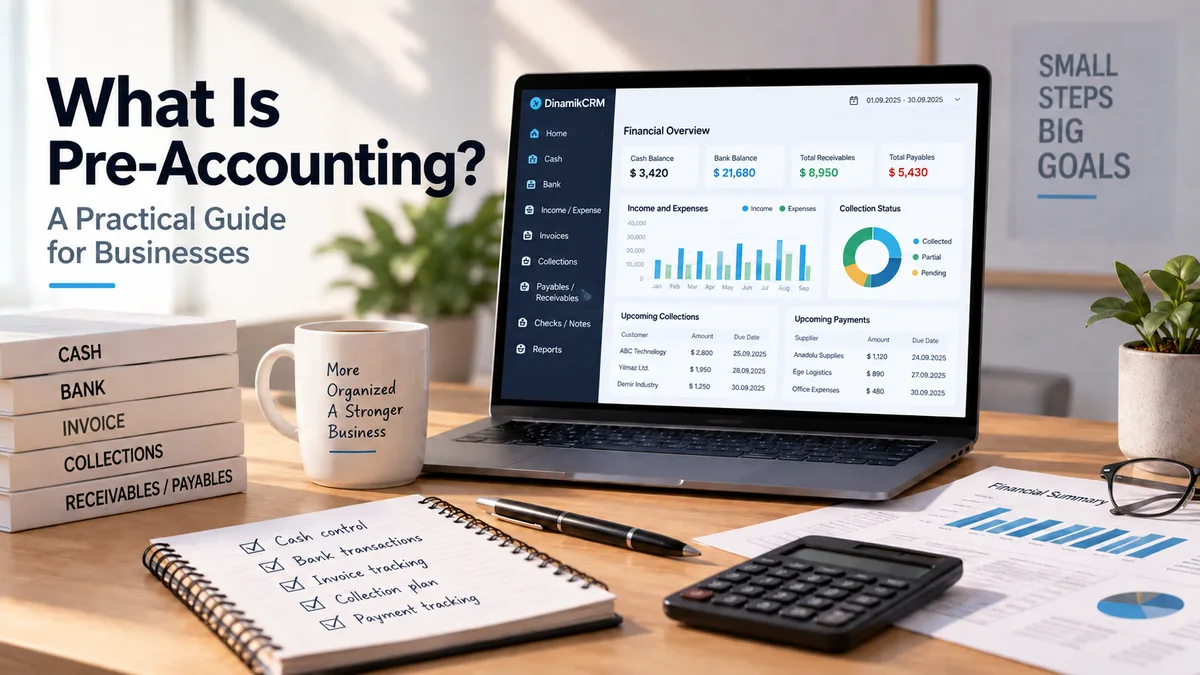
Pre-accounting is the process of recording and tracking a business's day-to-day financial activities in an organized way. Cash and bank accounts, income, expenses, business costs, invoices, collections, payments, receivables and payables are among the main areas covered by pre-accounting.
The purpose of pre-accounting is not to replace statutory accounting. Instead, it helps businesses make their daily financial position more visible and easier to manage. This can make it easier to understand which collections are expected, which payments are approaching and how much money is available across cash and bank accounts.
What Is Pre-Accounting?
Pre-accounting refers to the management of financial records created by the daily commercial activities of a business.
A customer sale, the related invoice record, a collection expected from that customer, a payment to a supplier or an operating expense can all be part of the pre-accounting process.
Keeping these records organized helps a business understand its current financial position and monitor upcoming collections and payments more effectively.
What Does Pre-Accounting Include?
The scope of pre-accounting can vary depending on the structure of the business. However, the most common processes generally include the following areas.
1. Cash Tracking
Cash tracking records the incoming and outgoing cash movements of a business.
When collections, payments and other cash transactions are recorded regularly, the current cash balance becomes easier to monitor.
2. Bank Account Tracking
Businesses often use more than one bank account. Tracking these accounts and the money movements within them helps provide a clearer picture of the overall financial position.
Managing cash and bank records within the same system can also reduce the need to maintain separate spreadsheets for each account.
3. Income and Expense Tracking
Recording business income and expenses regularly is one of the basic components of day-to-day financial management.
Income and expense tracking makes it easier to review how much money has entered and left the business during a particular period.
4. Expense Tracking
Employee expenses, operating costs, project expenses and other business costs can be recorded in a structured way.
Connecting expenses with categories, companies or projects can make it easier to understand where business spending is concentrated.
5. Invoice Tracking
In pre-accounting, recording an invoice involves more than simply storing the document. Businesses may also need to track the related customer or company, invoice amount, due date and payment status.
This makes it easier to see which invoices have been paid, which remain outstanding and which are overdue.
6. Collection Tracking
Completing a sale and collecting the payment are not always the same process. Businesses that work with payment terms need to monitor expected customer collections separately.
Collection records can show how much a customer has paid, how much remains outstanding and which invoice the payment relates to.
In some cases, an invoice may be settled through several payments rather than a single transaction. For this reason, being able to record partial collections can be useful.
7. Receivables and Payables Tracking
Amounts owed to the business by customers and amounts the business owes to suppliers or other parties can be monitored as part of pre-accounting.
Recording receivables and payables together with their due dates can help businesses plan upcoming financial obligations more effectively.
8. Check and Promissory Note Tracking
For businesses that use checks or promissory notes, due dates and amounts are important items to monitor.
Keeping these records systematically can help reduce the risk of missing upcoming due dates.
9. Foreign Currency Tracking
Businesses working with more than one currency may need to monitor foreign currency accounts and transactions in addition to local-currency records.
Multi-currency support and access to current exchange-rate information can help businesses manage these transactions more systematically.
What Is the Difference Between Pre-Accounting and Statutory Accounting?
Pre-accounting and statutory accounting are related, but they are not the same process.
Pre-accounting focuses primarily on the operational tracking of daily financial activities. Statutory accounting includes legal records, tax declarations and accounting processes required under applicable regulations.
Using pre-accounting software therefore does not replace an accountant, financial advisor or the official accounting processes required by law.
Why Is Pre-Accounting Important?
As a business grows, tracking money movements only through bank screens, spreadsheets or personal notes can become increasingly difficult.
A structured pre-accounting process can help a business answer questions such as:
- How much money is available in cash and bank accounts?
- How much income and expense was recorded this month?
- Which customers still need to make payments?
- Which invoices are overdue?
- What payments are coming up?
- What is the current receivables and payables position?
- Which projects or companies generate the most expenses?
Can Pre-Accounting Be Managed in Excel?
Small businesses with a limited number of transactions may initially manage their pre-accounting records in Excel.
However, as the number of customers, transactions, bank accounts, invoices and collections increases, keeping information current across multiple spreadsheets can become difficult.
When businesses need features such as due-date tracking, partial collections or relationships between customers and financial records, a centralized system can become more practical.
What Does Pre-Accounting Software Do?
Pre-accounting software helps businesses keep daily financial records in a centralized structure.
When cash and bank accounts, income, expenses, invoices, collections, receivables and payables are managed within the same system, day-to-day financial movements become easier to monitor.
DinamikCRM supports operational accounting tracking through features such as cash and bank accounts, income and expenses, business costs, invoice tracking, collections, receivables and payables, checks, promissory notes and multiple currencies.
Explore these capabilities on the Accounting Tracking Software page.
Can CRM and Pre-Accounting Be Used Together?
CRM and pre-accounting focus on different business needs, but they can manage different stages of the same customer lifecycle.
CRM can be used to manage customers, companies, sales opportunities and sales processes, while pre-accounting can be used to track financial records such as invoices and collections that arise after the sale.
When these processes are connected within the same system, the customer lifecycle can be viewed more comprehensively.
For example, after a sale is completed, the related invoice can be recorded, collections against that invoice can be tracked, and those financial movements can be reviewed together with the related customer or sales record.
What Should You Look for in Pre-Accounting Software?
When choosing pre-accounting software, businesses should consider how well the system supports their actual workflows rather than looking only at the number of available features.
- Can cash and bank accounts be tracked easily?
- Can income, expenses and business costs be recorded systematically?
- Can invoice and collection status be monitored?
- Are partial collections supported?
- Can receivables and payables be tracked by due date?
- Can checks and promissory notes be recorded?
- Are multiple currencies supported?
- Can financial records be connected with customer and sales records?
Manage Pre-Accounting More Systematically
The main purpose of pre-accounting is to make day-to-day financial movements more visible and organized. Keeping cash, bank, income, expense, invoice, collection and payment records within a shared structure can make financial processes easier to follow.
To see how DinamikCRM connects customer, sales and operational accounting processes, explore the DinamikCRM Accounting Tracking Software features.
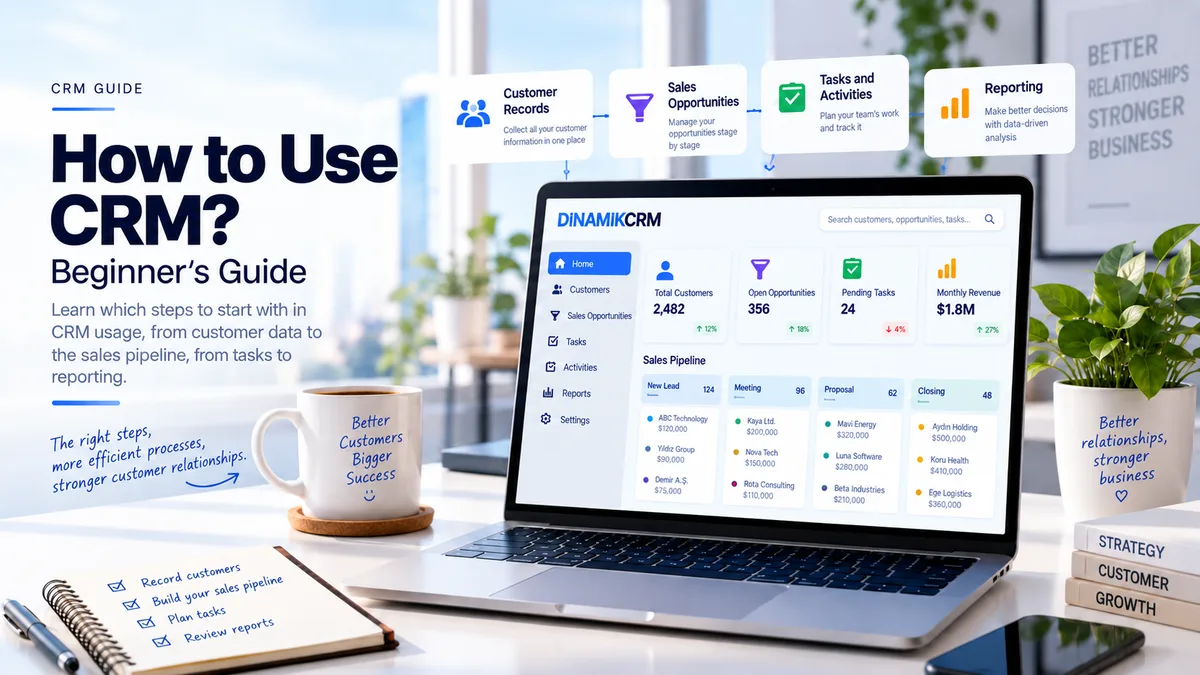
How to Use CRM: A Beginner's Guide
Learn how to start using CRM, from organizing customer data and sales pipelines to tasks, follow-ups and reporting.
Read More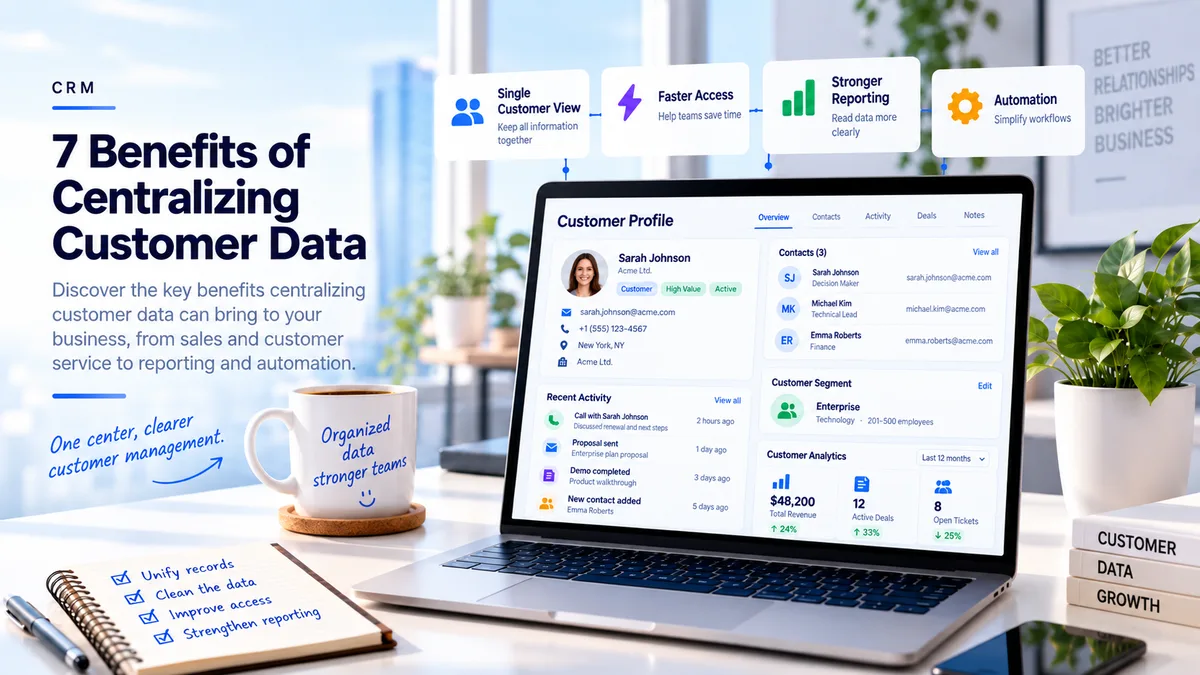
7 Benefits of Centralizing Customer Data
Discover how centralizing customer data can support sales, customer service, reporting, automation and stronger collaboration across your business.
Read More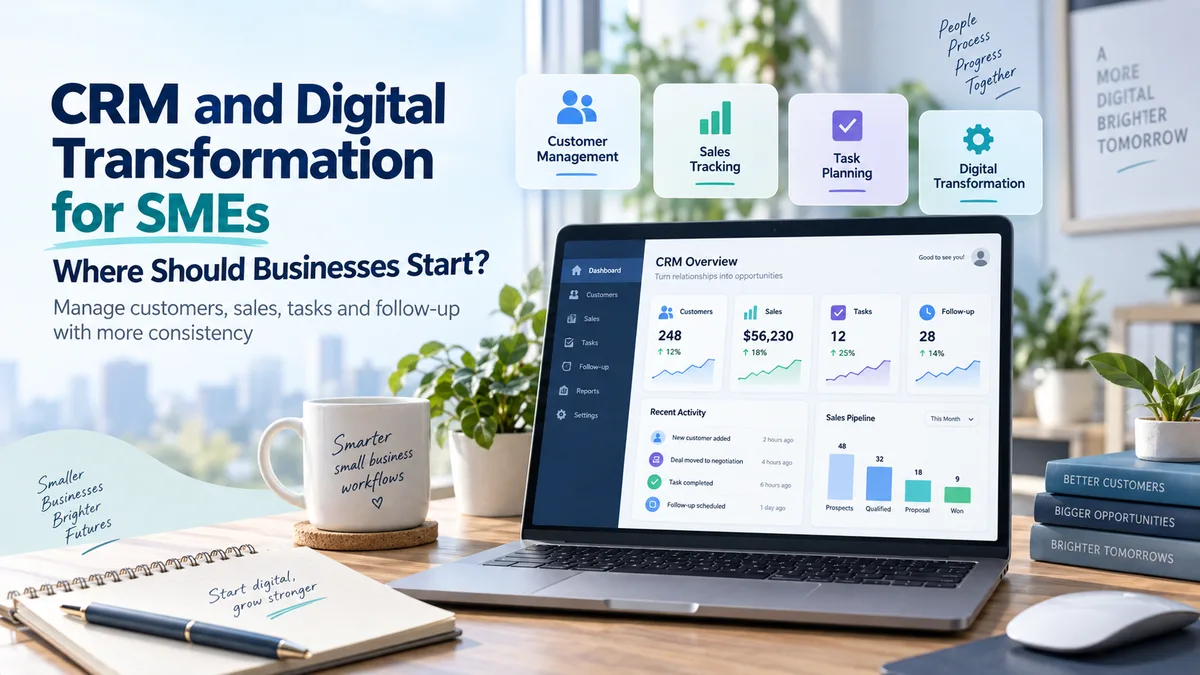
CRM and Digital Transformation for SMEs: Where Should Businesses Start?
Learn how SMEs can use CRM to manage customers, sales, tasks and follow-up more consistently and how CRM can support digital transformation.
Read More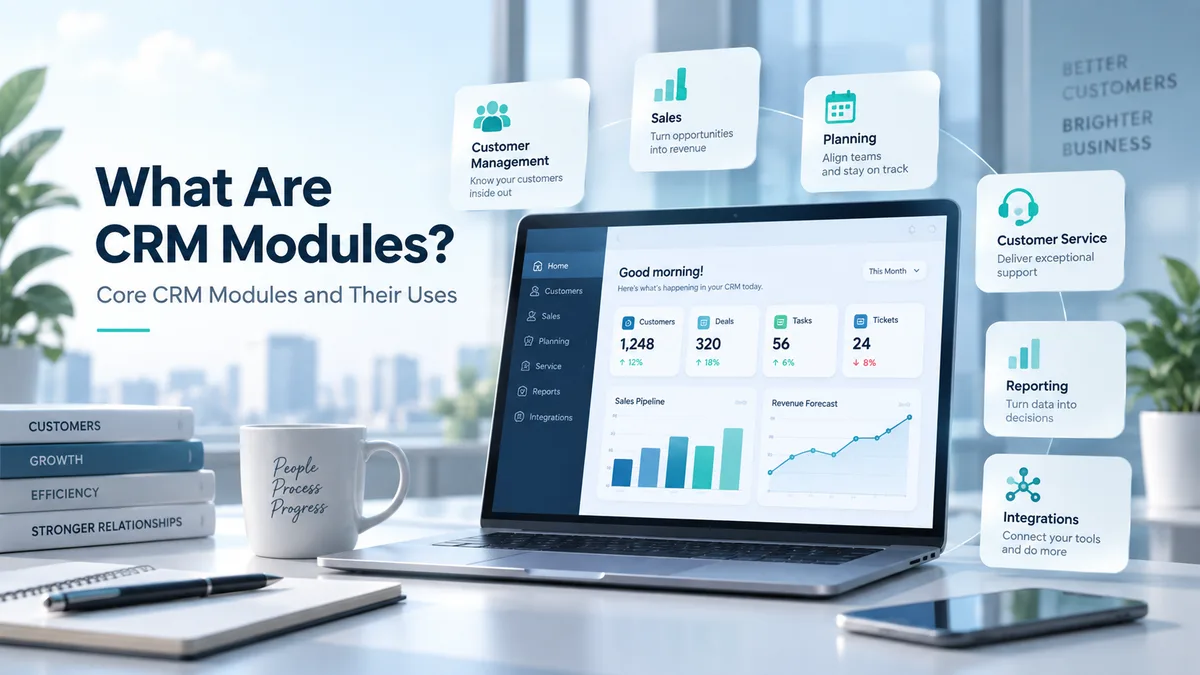
What Are CRM Modules? Core CRM Modules and Their Uses
Explore the core modules of a CRM system, including customer management, sales, planning, customer service, reporting and integrations.
Read More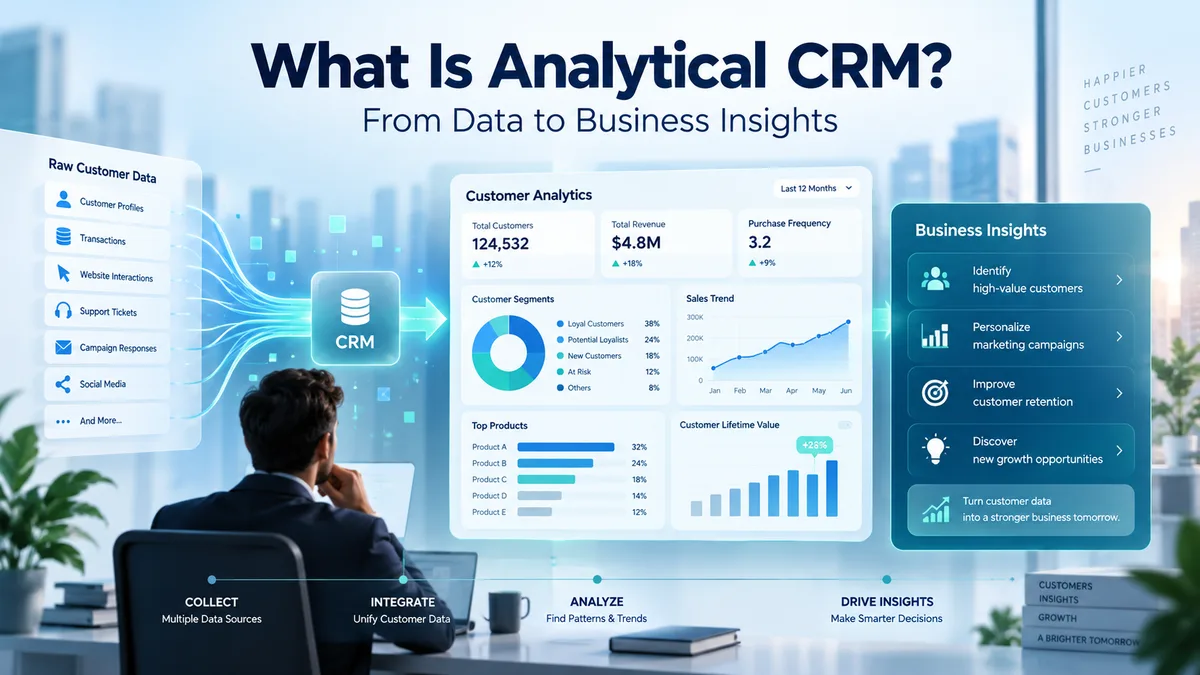
What Is Analytical CRM? From Data to Business Insights
Learn what analytical CRM means, how customer and sales data can be analyzed and how this approach supports better business decisions.
Read More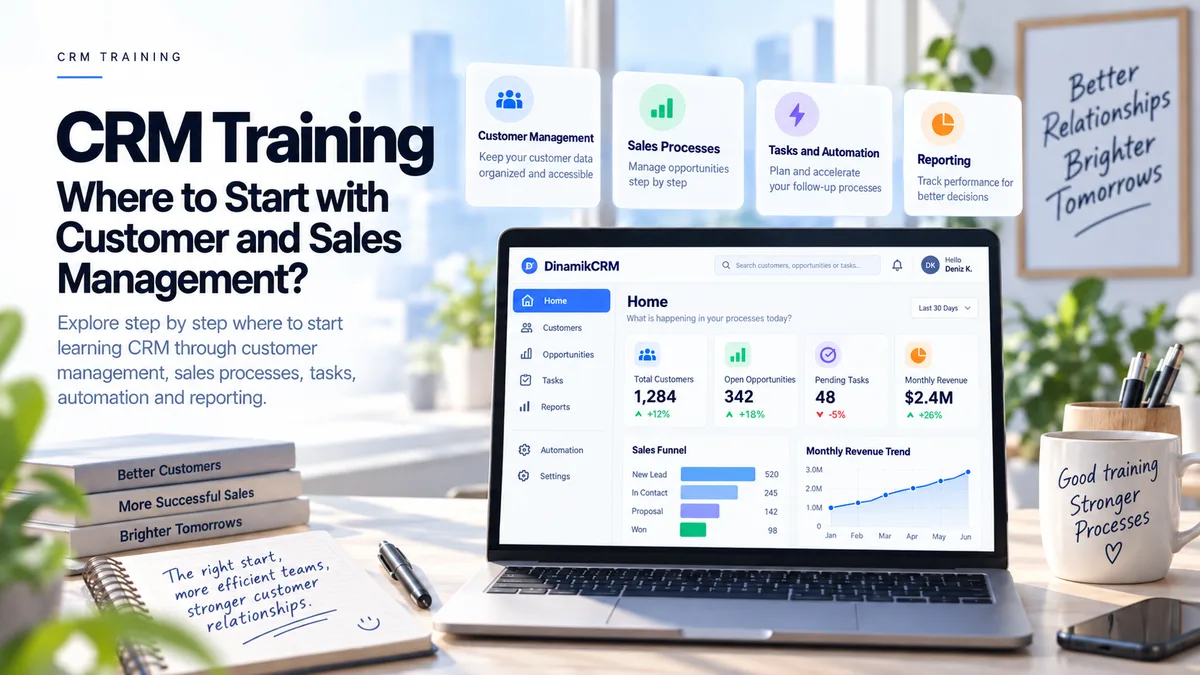
CRM Training: Where to Start with Customer and Sales Management
Learn where to start with CRM training through customer management, sales processes, tasks, automation and reporting.
Read More