7 Benefits of Centralizing Customer Data
Discover how centralizing customer data can support sales, customer service, reporting, automation and stronger collaboration across your business.
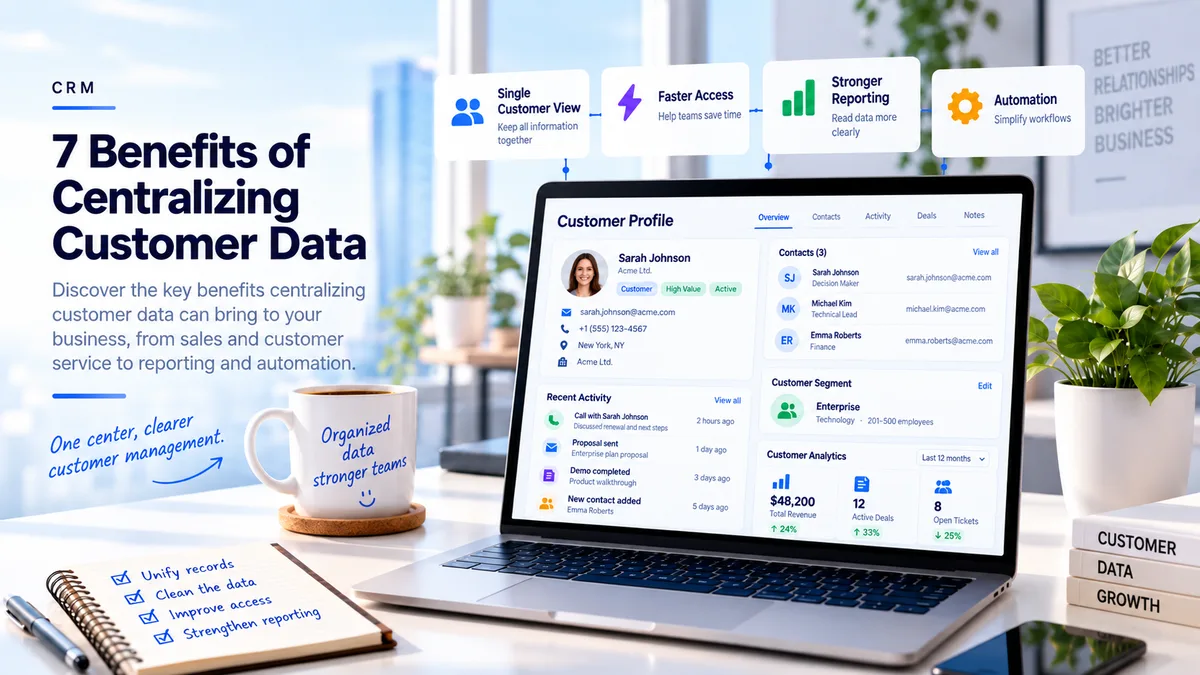
Customer data is one of the most important sources of information used by sales, customer service and operational teams. When that data is scattered across spreadsheets, personal notes, email inboxes and separate applications, businesses can lose time and struggle with inconsistent information.
1. Create a single source of truth
When customer phone numbers, email addresses, company details and interaction notes are stored in different places, it becomes difficult to know which information is current. Centralizing customer data gives teams a common record to work from.
2. Help sales teams understand customers better
Sales representatives can work with more context when they can see previous conversations, activities and opportunity history. This reduces repetitive questions and supports a more consistent sales process.
3. Reduce knowledge loss between employees
When customer history exists only in one employee's memory, information can be lost during leave, role changes or staff turnover. A centralized CRM turns customer history into organizational knowledge.
4. Enable faster customer service
When a customer contacts support, visibility into previous requests and conversations helps representatives understand the situation more quickly. This can reduce resolution time and improve the overall service experience.
5. Improve reporting reliability
Reports built from fragmented data sources may contain gaps or conflicting information. Keeping current customer data in one system supports more reliable analysis of sales performance, activity levels and customer segments.
6. Reduce duplicate data entry
Entering the same customer information into multiple files and applications takes time and increases the risk of errors. A centralized CRM, especially when supported by integrations, can make data management more controlled.
7. Build a stronger foundation for automation
Automation depends on reliable and structured data. When customer records are centralized and current, scenarios such as task creation, follow-up actions and rule-based workflows can work more effectively.
The role of CRM in centralized customer management
CRM is more than a database. It connects customer information with sales, customer service, activities and operational processes in one working environment.
With DinamikCRM, businesses can manage customer profiles, communication history, custom fields, activities, files and permissions within a centralized structure.
For more information, visit the Customer Management solution page.
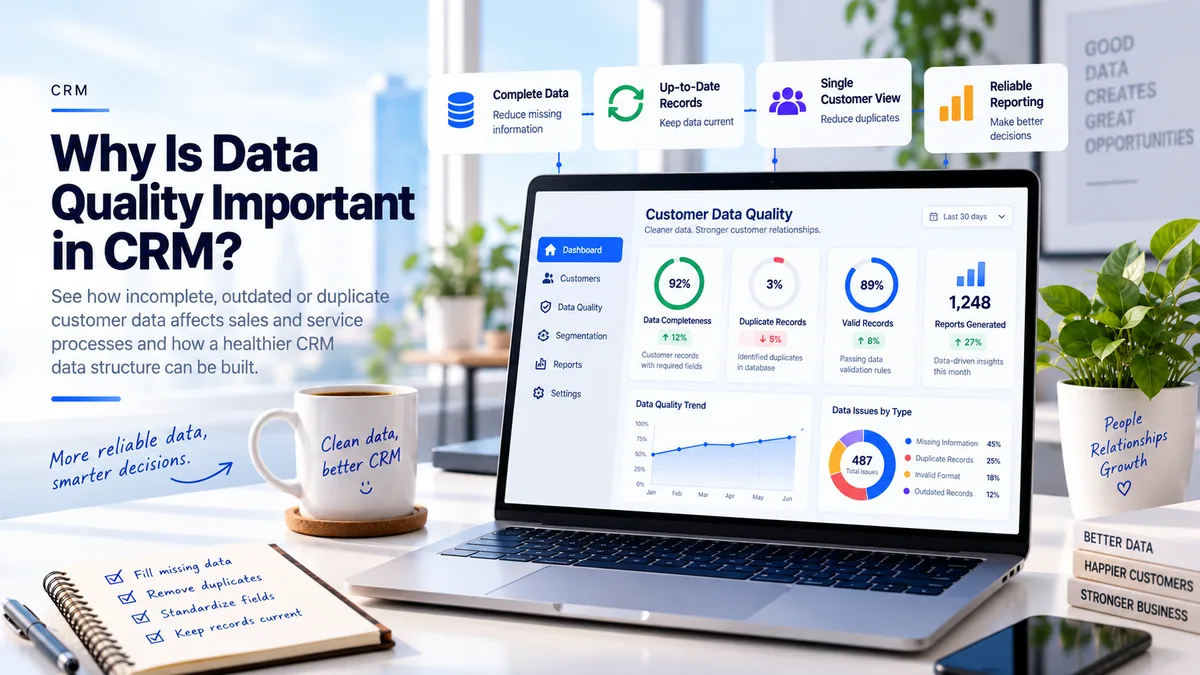
Why Data Quality Matters in CRM
Learn how incomplete, outdated or duplicate customer data can affect sales and service processes, and how to build a healthier CRM data structure.
Read More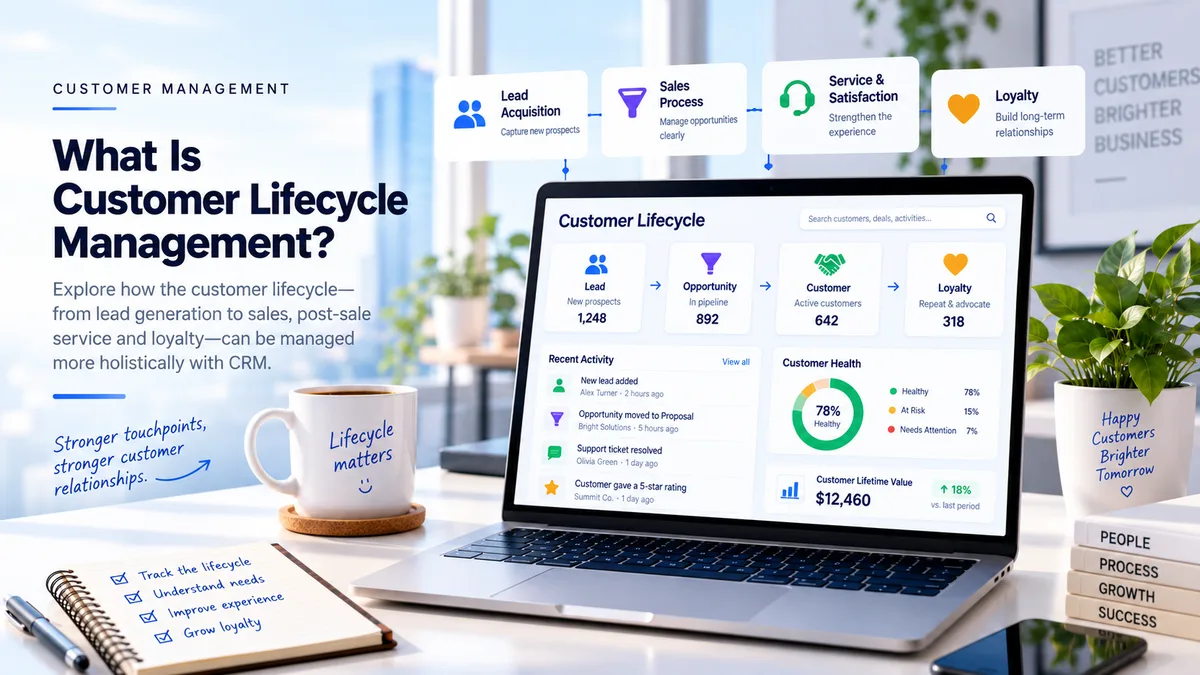
What Is Customer Lifecycle Management?
Discover how CRM can help manage the customer lifecycle more holistically, from the first opportunity and sale to post-sale service and long-term loyalty.
Read More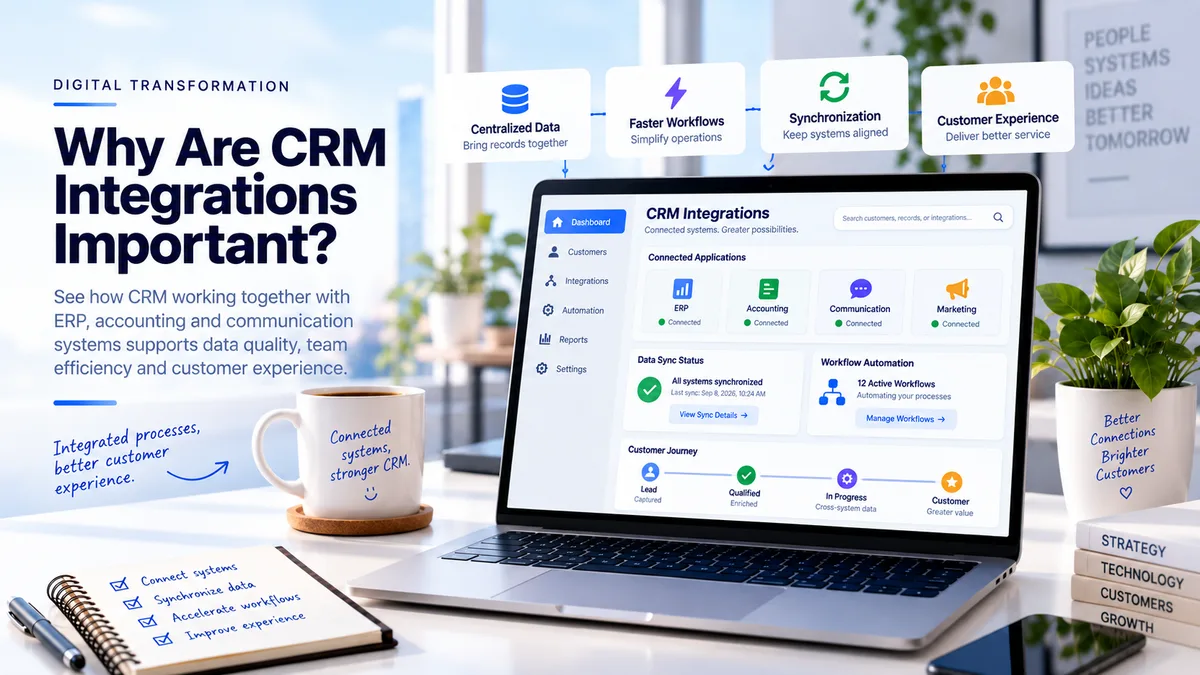
Why CRM Integrations Matter
Learn how connecting CRM with ERP, accounting and communication systems can improve data quality, team efficiency and the overall customer experience.
Read More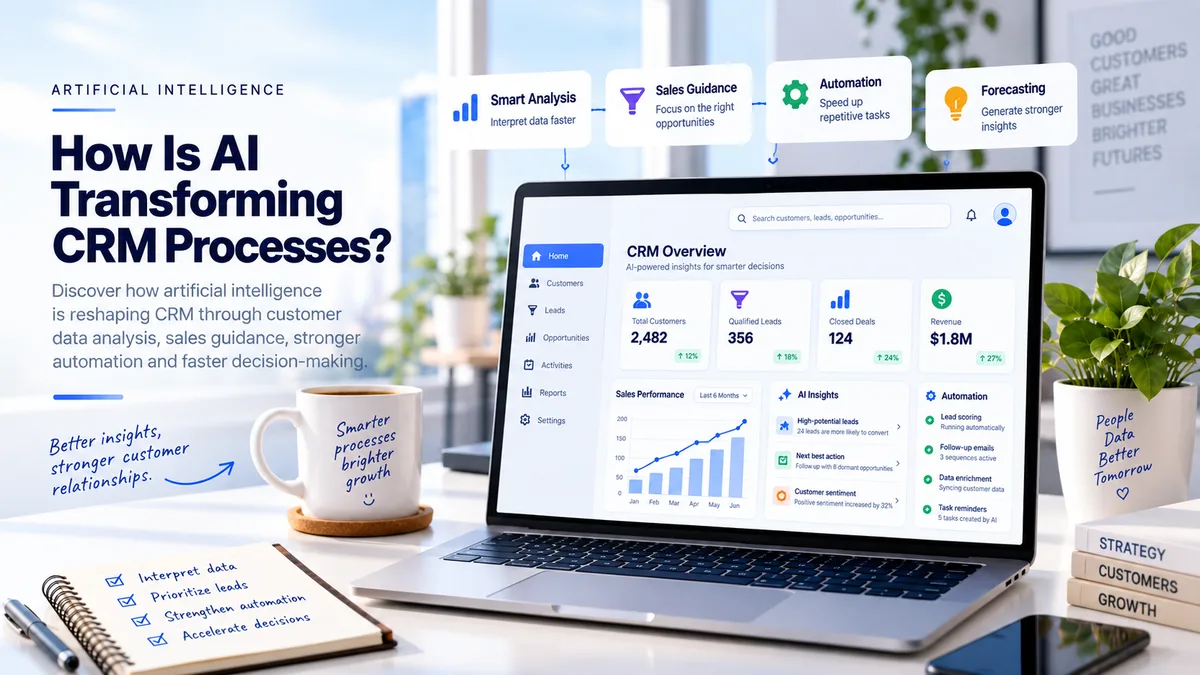
How Is AI Changing CRM?
Explore how AI is transforming CRM by interpreting customer data, guiding sales teams, strengthening automation and helping businesses make faster decisions.
Read More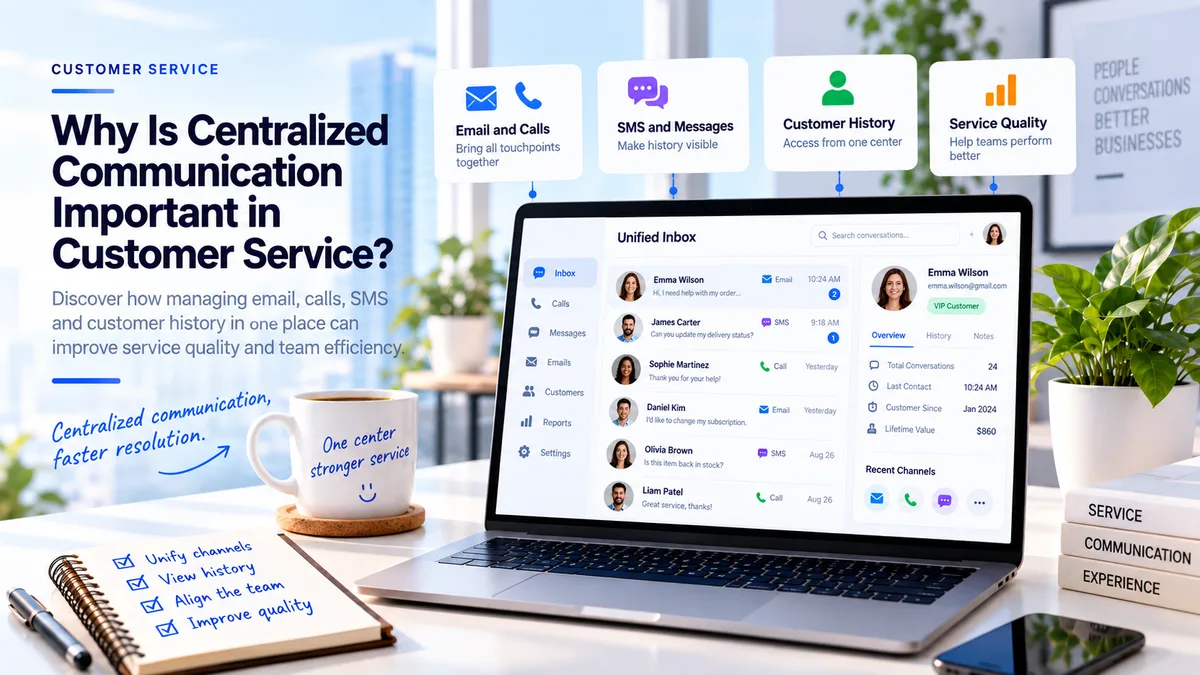
Why Is Centralized Communication Important in Customer Service?
Learn how managing email, calls, SMS and customer history from one place can improve service quality and team productivity.
Read More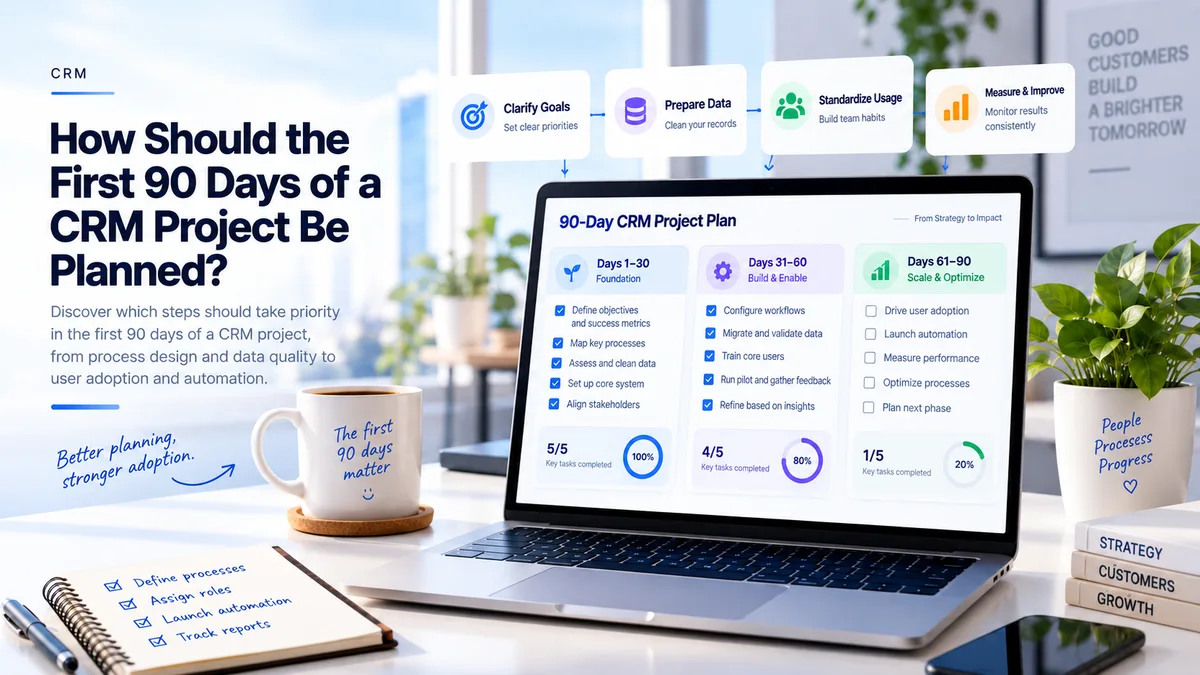
How Should You Plan the First 90 Days of a CRM Project?
Explore what to prioritize during the first 90 days of a CRM project, from process design and data quality to user adoption and automation.
Read More