What Is Customer Lifecycle Management?
Discover how CRM can help manage the customer lifecycle more holistically, from the first opportunity and sale to post-sale service and long-term loyalty.
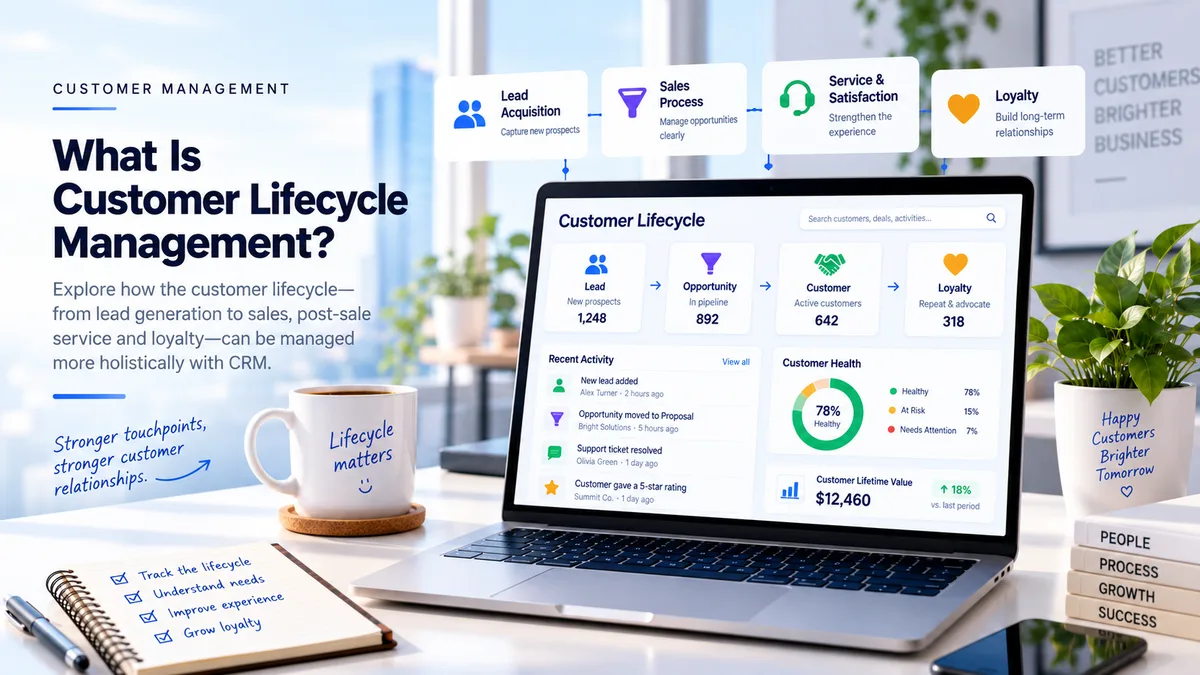
Customer relationships do not begin and end with a sale. From the first interaction and opportunity to post-sale service, repeat business and long-term loyalty, every customer moves through a broader lifecycle. Managing that lifecycle holistically can strengthen both customer experience and revenue continuity.
What is the customer lifecycle?
The customer lifecycle is the full journey from a person's or company's first interaction with a business through becoming a customer, using the product or service, receiving support and continuing the relationship over time.
1. Lead generation and first contact
The lifecycle often begins with a form, phone call, campaign, referral or another touchpoint. Recording the source and first interaction correctly in CRM is important for understanding what happens later in the journey.
2. Opportunity and sales management
When a lead becomes a real sales opportunity, the team needs to track needs, offers, conversations and next actions. A structured pipeline makes the current stage visible and helps sales teams understand what should happen next.
3. The transition after the sale
Customer information should not remain isolated within the sales team once the deal closes. Operations, customer service and other relevant teams should be able to access the same customer history so the customer does not need to repeat information.
For many businesses, new steps begin immediately after a sale, including order creation, preparation, operational processing and delivery. The current order stage, responsible user and target delivery date can directly affect the post-sales customer experience. Centralized order tracking software can help make the transition from sales to operations more visible and structured.
4. Support and service management
Centralized tracking of requests, conversations and open actions makes service quality easier to manage and measure. Connecting email, calls and other communication channels to the same customer history provides a more complete view.
During post-sales service, giving teams access to previous purchases, active orders and open support requests in the same customer context can make it easier to respond quickly and consistently.
5. Loyalty and repeat sales
Existing customers can create significant future sales opportunities. When purchase history, support interactions and activity data are reviewed together, teams can more easily identify renewal, cross-sell and new offer opportunities.
Previous orders and delivery history can also provide useful context for understanding customer purchasing behavior. The products or services purchased repeatedly, order frequency and previous operational experiences can all support better evaluation of future sales opportunities.
6. Measuring the lifecycle
Metrics such as time from first contact to sale, conversion rates, service requests, repeat purchases and loss reasons can reveal where the customer lifecycle needs improvement.
After the sale, indicators such as open orders, on-time completion, delayed deliveries and repeat purchase rates can also help teams evaluate the operational side of the customer lifecycle.
Why does a single platform matter?
When customer information is spread across departments and separate applications, the lifecycle becomes fragmented. Bringing CRM, sales, service and operational data together around the same customer creates a more complete end-to-end view.
For example, if sales history is stored in CRM, active orders are tracked in a separate spreadsheet and support requests live in another application, it becomes harder for teams to understand the customer's current situation. Being able to track customer orders from one place helps make post-sales operational information a natural part of the broader customer history.
Customer lifecycle management with DinamikCRM
DinamikCRM brings together customer management, sales pipeline, order and operational tracking, service processes, activities, planning, automation and reporting on one platform, helping businesses manage different stages of the customer lifecycle around a shared data structure.
Conclusion
Customer lifecycle management is about more than acquiring customers. It is about developing the relationship over time. A centralized view helps teams collaborate more effectively and deliver a more consistent customer experience throughout the journey.
Keeping orders, delivery processes and support activities connected to the same customer history helps ensure that the lifecycle remains visible not only before the sale, but throughout the post-sales journey as well.
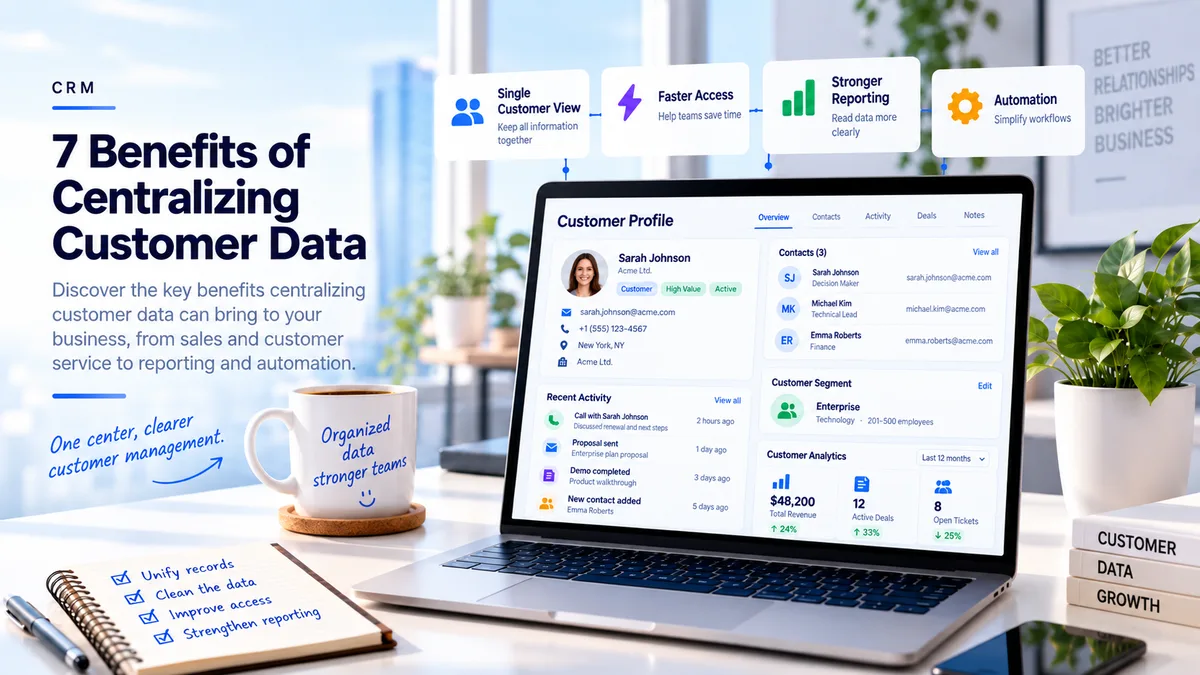
7 Benefits of Centralizing Customer Data
Discover how centralizing customer data can support sales, customer service, reporting, automation and stronger collaboration across your business.
Read More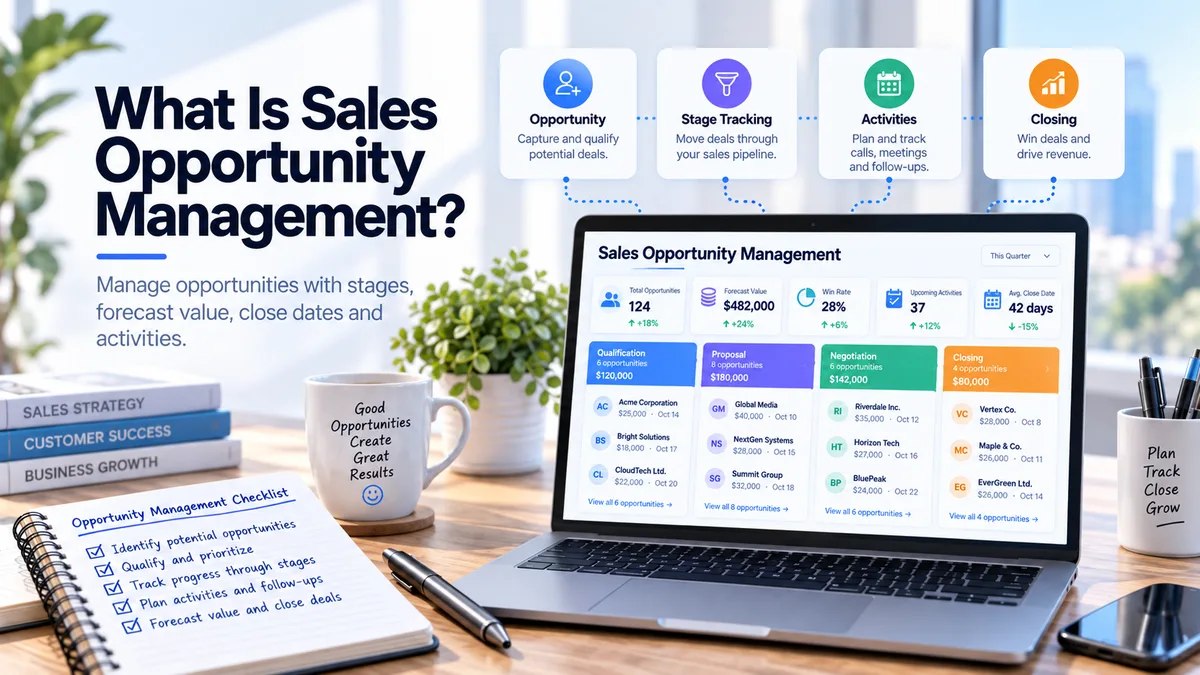
What Is Sales Opportunity Management?
Learn how sales opportunities can be managed through stages, expected values, close dates, activities and performance metrics.
Read More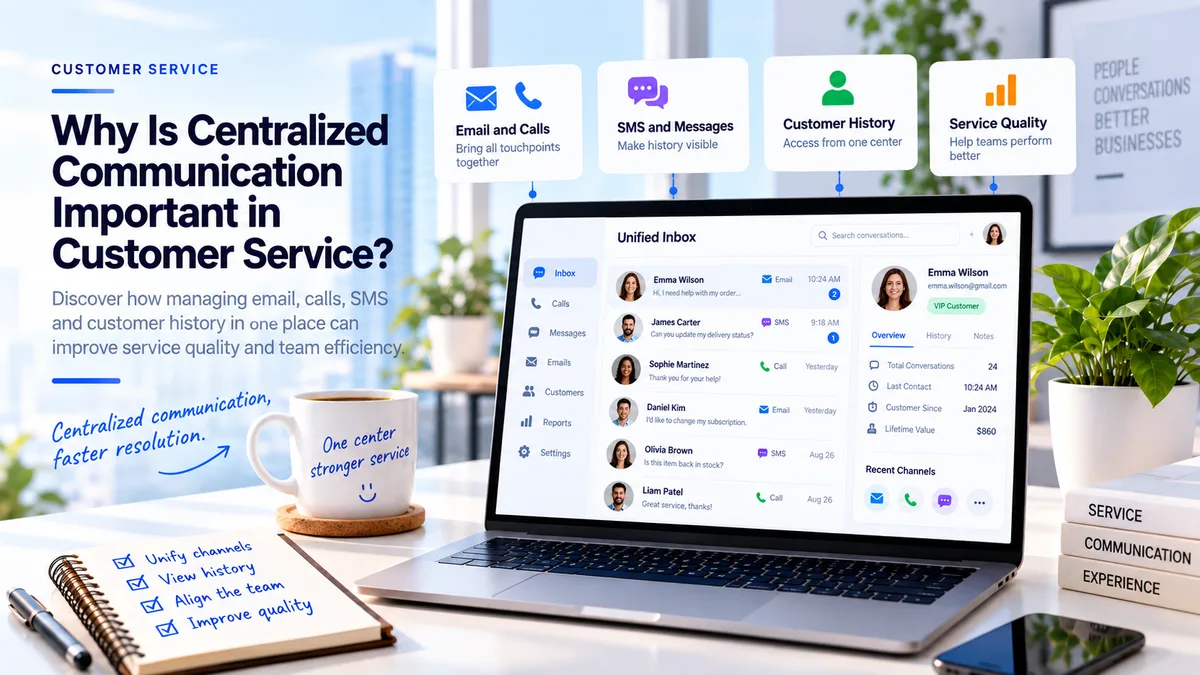
Why Is Centralized Communication Important in Customer Service?
Learn how managing email, calls, SMS and customer history from one place can improve service quality and team productivity.
Read More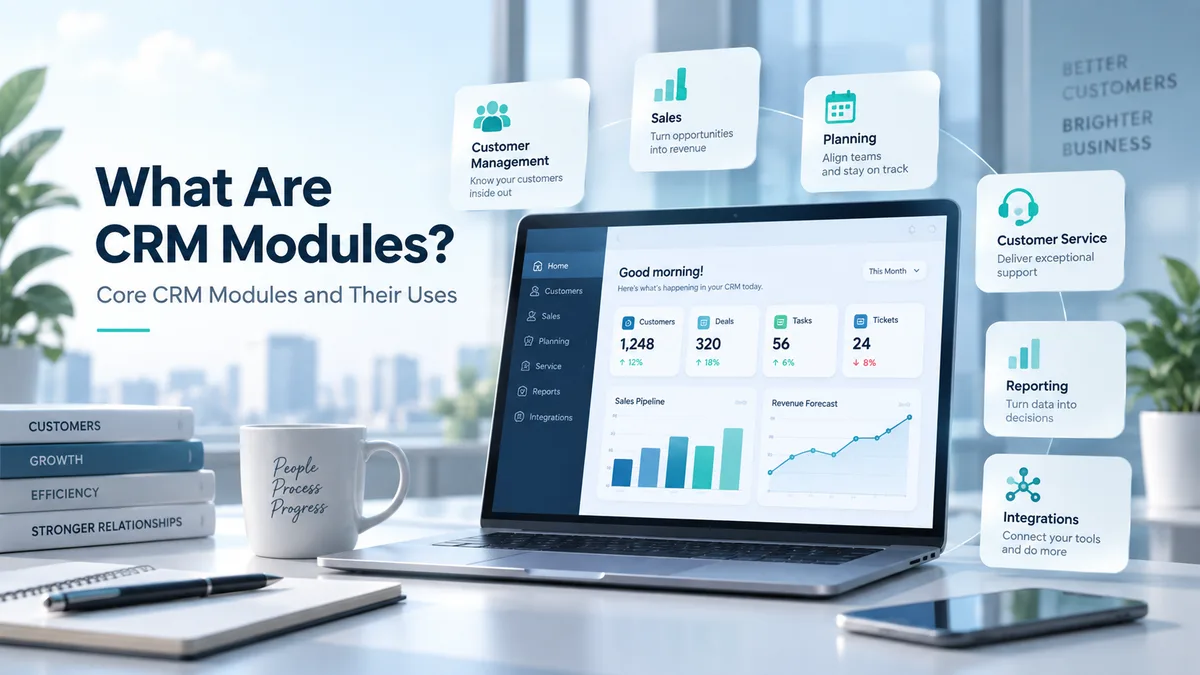
What Are CRM Modules? Core CRM Modules and Their Uses
Explore the core modules of a CRM system, including customer management, sales, planning, customer service, reporting and integrations.
Read More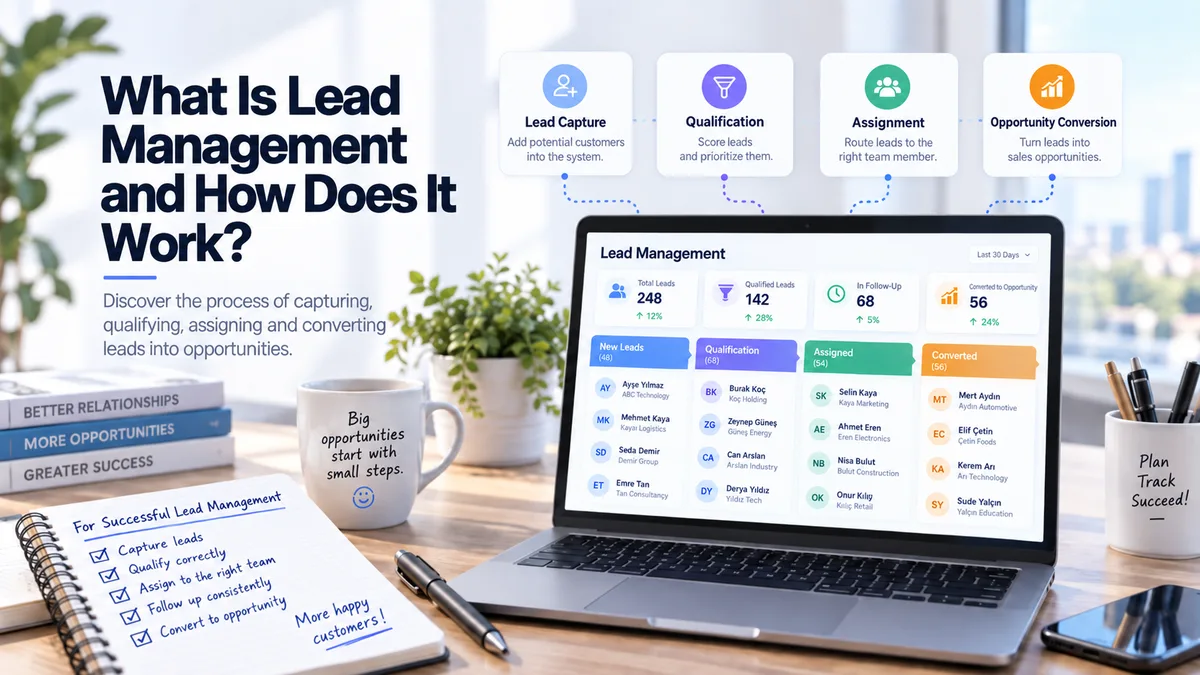
What Is Lead Management and How Does It Work?
Learn how businesses capture, evaluate, assign, follow up and convert potential customers into qualified sales opportunities.
Read More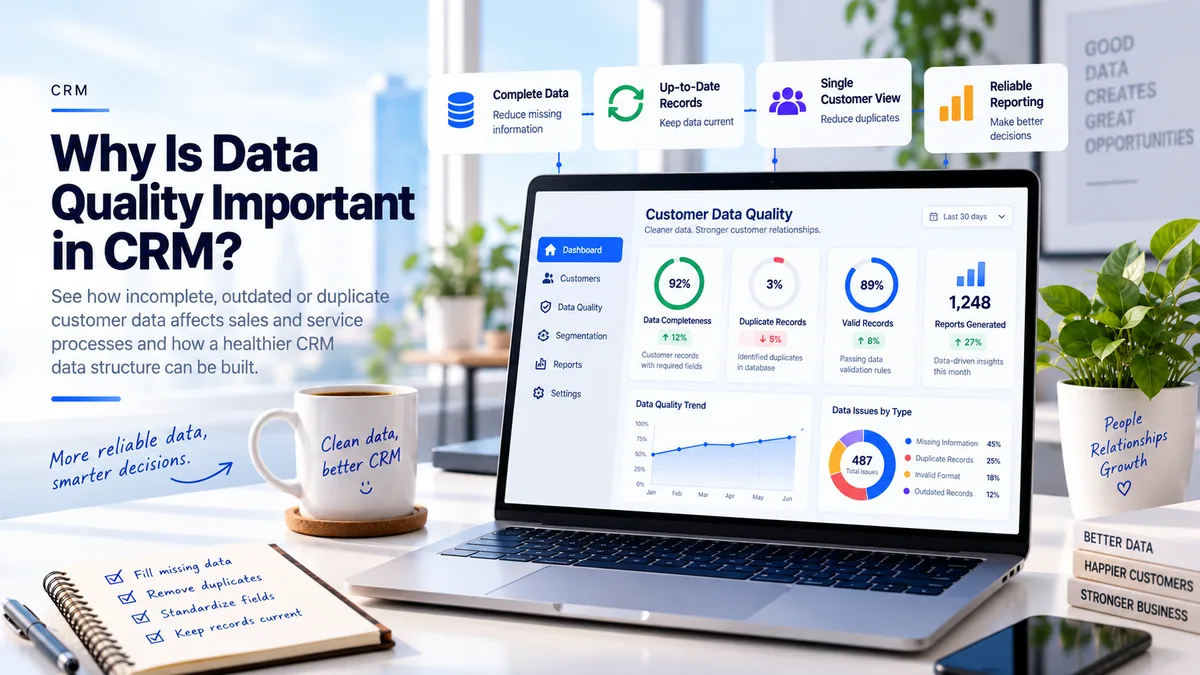
Why Data Quality Matters in CRM
Learn how incomplete, outdated or duplicate customer data can affect sales and service processes, and how to build a healthier CRM data structure.
Read More