What Is Sales Opportunity Management?
Learn how sales opportunities can be managed through stages, expected values, close dates, activities and performance metrics.
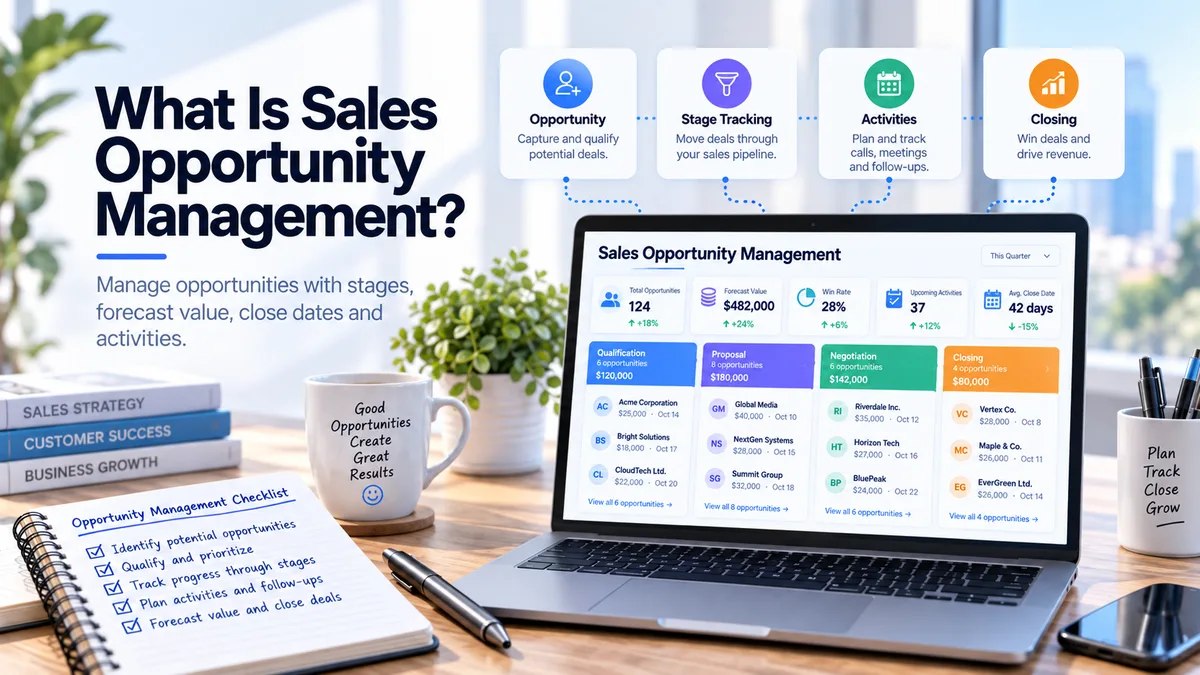
Having a large number of potential customers does not automatically mean strong sales performance. What matters is whether qualified opportunities are being managed effectively and whether the sales team is spending time on the right deals.
Sales opportunity management provides a structured way to track potential deals from qualification through to closing.
What is a sales opportunity?
A sales opportunity is a potential deal where a customer need has been identified and an active sales process has started.
Not every lead is an opportunity. A lead typically becomes an opportunity after factors such as business need, budget, decision process or expected purchase timeline become sufficiently clear.
Why is sales opportunity management important?
When opportunities are managed through personal notes or disconnected files, visibility across the sales organization can decrease. Teams may lose track of which stage an opportunity is in, when it is expected to close or why it has stopped progressing.
CRM allows sales opportunities to be managed within a shared process so everyone works with the same information.
If you want to start tracking sales opportunities in a more structured way, you can use our free Sales Pipeline Excel Template . The ready-to-use template helps you organize opportunities, sales stages, estimated values and expected close dates in one structured view.
How should a sales opportunity process be structured?
An effective sales process should reflect the actual way the sales team works. Too many stages can create unnecessary complexity.
Create the opportunity
Once a clear buying requirement has been identified, a sales opportunity can be created. Information such as product or service, estimated value, customer, sales representative and expected close date can be recorded.
Define the sales stage
Opportunities may move through stages such as initial meeting, needs analysis, proposal, negotiation and decision.
Each stage should have a clear meaning that is understood consistently across the team.
Once an opportunity reaches the proposal stage, it is not enough to know that a proposal has been prepared or sent. The current proposal status, customer response, next follow-up date, possible revisions and final outcome should also remain connected to the sales opportunity.
To manage this part of the process more systematically, explore Quote Tracking Software .
Record activities
Meetings, calls, emails, tasks and notes should be linked to the opportunity so the full sales history remains visible.
Keep opportunity value and close date current
As new information becomes available, estimated value and expected close date should be updated. Otherwise, pipeline reports and sales forecasts can become unreliable.
To understand what your current pipeline may generate in expected revenue, use your active opportunity count, average deal value, win rate and sales target to calculate your sales forecast . This can help you review expected revenue, target attainment and the additional pipeline required to reach your goal.
Analyze won and lost opportunities
Completed deals can be marked as won. Opportunities that do not close should include a lost reason.
Reasons such as price, competition, timing, budget or changing requirements can provide valuable information for improving the sales strategy.
Are sales opportunity management and pipeline management the same?
The concepts are closely related but not identical. Opportunity management focuses on individual deals, while pipeline management provides a broader view of all opportunities across sales stages.
Opportunities form the pipeline, while the pipeline represents the overall sales potential of the organization.
Managing sales opportunities across dealers and channel partners
Sales are not always managed only by an internal sales team. Businesses that work through dealers, distributors or other sales channels also need to understand which opportunities originate from each dealer, which region they belong to and which customers are connected to those opportunities.
Linking sales opportunities with the relevant dealer can improve both pipeline visibility and channel performance analysis. Businesses can more easily see which dealers generate more opportunities, where those opportunities are in the sales process and which dealers may require additional follow-up or support.
To manage dealer records, customer relationships, sales, orders and performance indicators through a shared structure, explore our Dealer Management Software .
Benefits of managing sales opportunities with CRM
- All opportunities can be viewed in one place.
- Managers can see open deals by sales representative.
- Stalled opportunities become easier to identify.
- Estimated sales value can be tracked.
- Close dates and follow-up tasks can be managed.
- Win and loss reasons can be analyzed.
- Sales forecasting becomes more reliable.
When an opportunity reaches the proposal stage, keeping the proposal connected to the opportunity is equally important. Sales representatives should be able to see which proposal was sent, whether it is waiting for a response or revision, and when the next customer interaction should happen.
See how DinamikCRM supports this process with its quote tracking solution .
Which sales opportunity metrics should be tracked?
Total open pipeline value is important, but it should not be the only metric.
Win rate, average sales cycle length, stage conversion rates, overdue opportunities, sales representative performance and lost reasons can provide a much clearer view of sales performance.
For opportunities at the proposal stage, teams may also evaluate metrics such as the number of open quotes, total active quote value, pending proposals, won proposals and quote-to-sale conversion.
For businesses that operate through dealers or distributors, these metrics can also be evaluated by dealer. Opportunity count, total opportunity value, won sales, conversion rate and target achievement can provide a clearer view of channel sales performance.
Why should sales opportunities be kept up to date?
Opportunities that remain unchanged for long periods can distort management reports and sales forecasts. Deals with a low probability of closing may continue to appear as active pipeline value.
Sales teams should therefore update stages, expected close dates and estimated values regularly.
The same principle applies to opportunities at the proposal stage. A quote that has received no customer response for a long period may continue to make the pipeline look healthier than it really is if its status is not updated. Keeping proposal status and follow-up dates current supports a more accurate sales pipeline and forecast.
When should a lead become an opportunity?
A lead can be converted into a sales opportunity once the need, buying potential and conditions for entering an active sales process become clear enough.
Until that point the prospect remains part of the lead management process. After qualification, it can move into the active sales pipeline.
Conclusion
Sales opportunity management helps teams understand not only how many potential deals they have, but also how valuable those deals are and where they currently stand in the sales process.
An Excel-based structure can be a practical starting point for organizing sales opportunity tracking. As the number of opportunities, sales activities and team members grows, managing the process in a centralized CRM becomes a more sustainable approach.
With DinamikCRM, opportunities can be managed by stage, activities can be linked to each deal, close dates and estimated values can be maintained and the entire sales pipeline can become more visible.
If your sales organization also works through dealers or distributors, evaluating opportunities together with channel information can help you compare direct sales and dealer-driven sales within the same commercial view. You can track dealer sales and performance from one place with DinamikCRM.
When an opportunity reaches the proposal stage, you can also manage quote status, follow-up dates, revisions and final outcomes within the same sales process by using DinamikCRM Quote Tracking Software .

How to Make Sales Forecasting More Reliable
Discover how current pipeline data, opportunity probabilities, close dates and activity history can help improve the reliability of sales forecasts.
Read More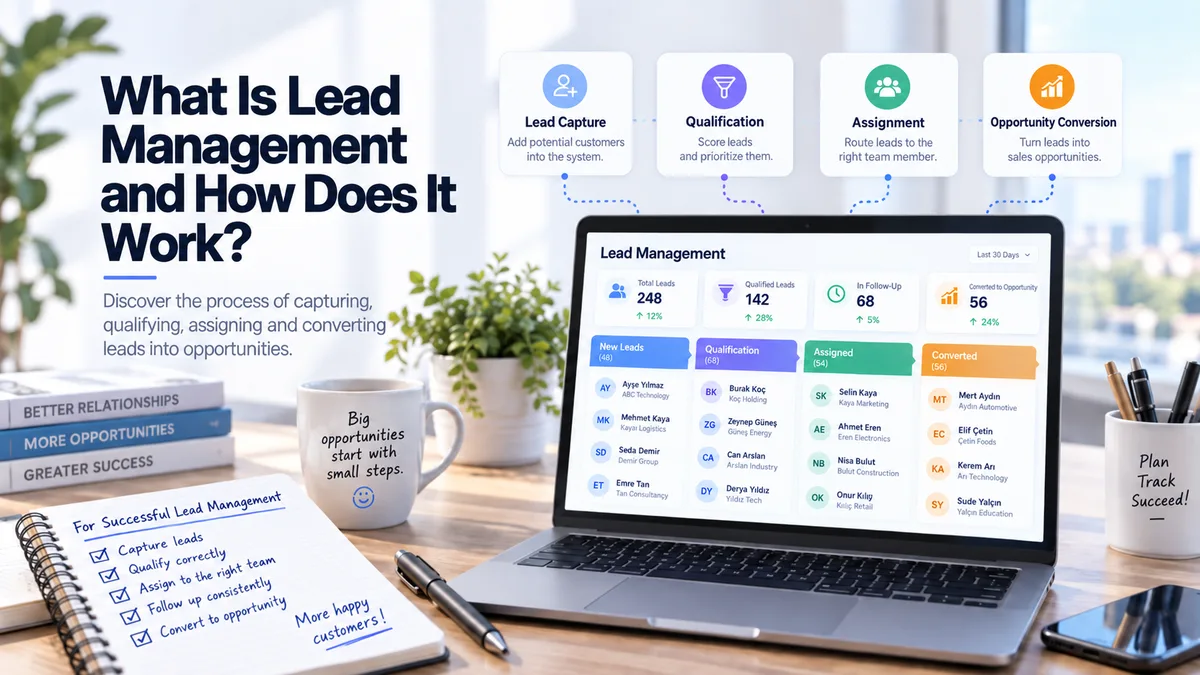
What Is Lead Management and How Does It Work?
Learn how businesses capture, evaluate, assign, follow up and convert potential customers into qualified sales opportunities.
Read More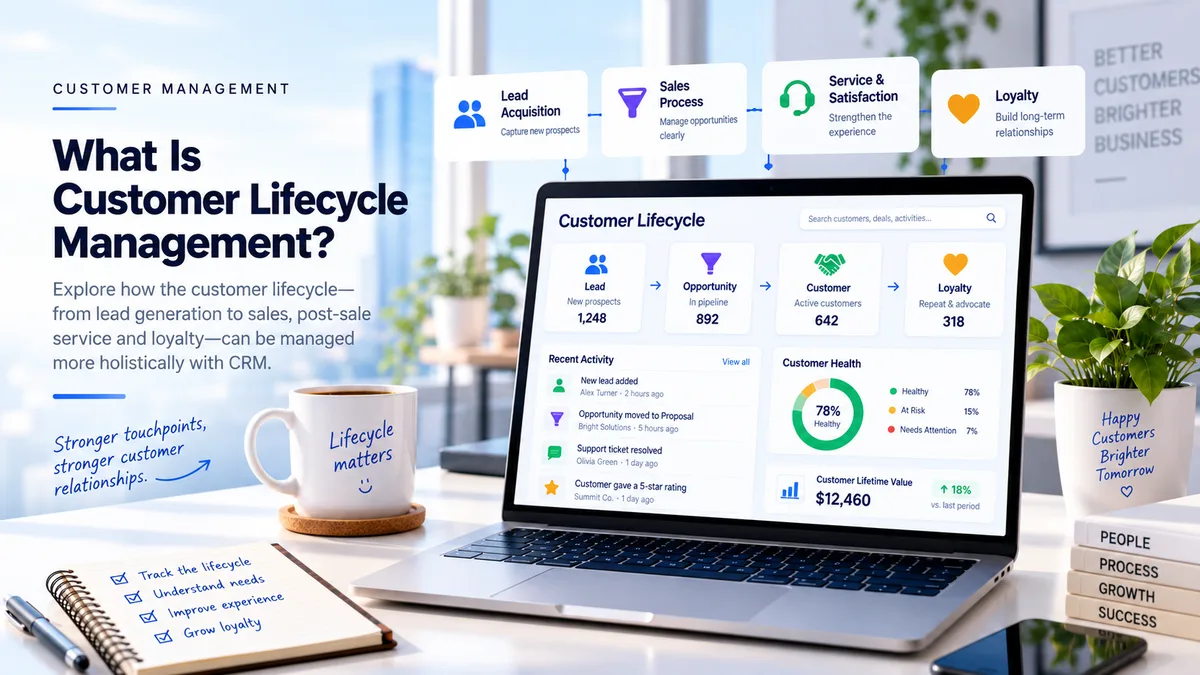
What Is Customer Lifecycle Management?
Discover how CRM can help manage the customer lifecycle more holistically, from the first opportunity and sale to post-sale service and long-term loyalty.
Read More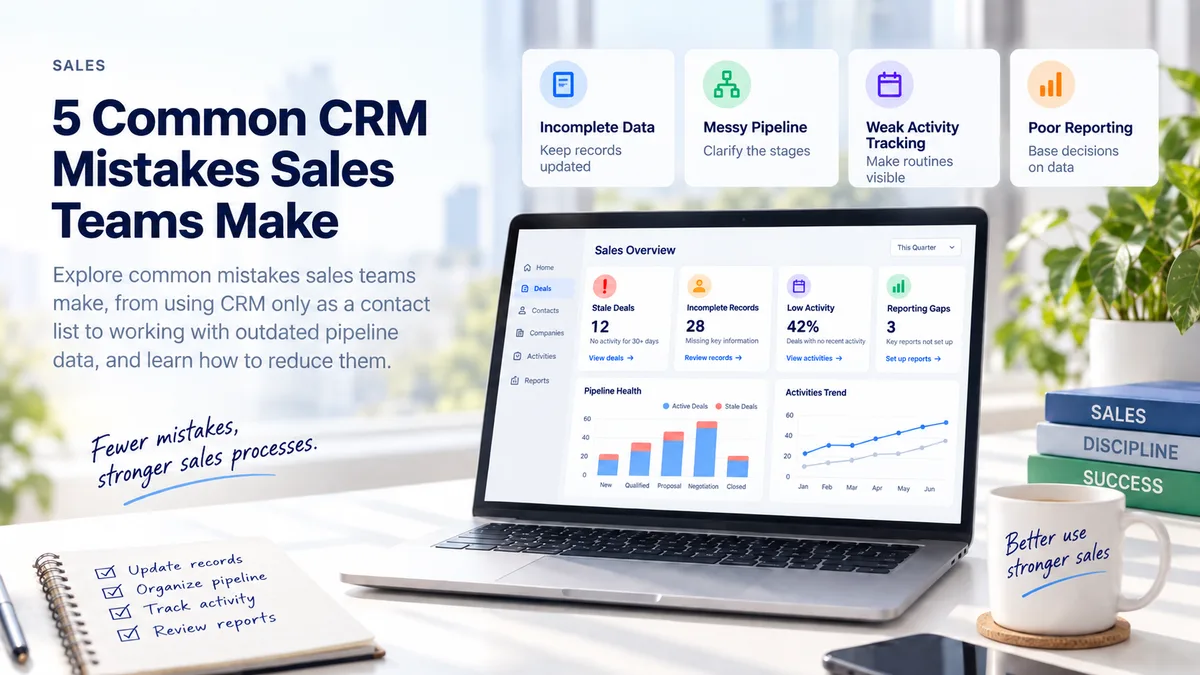
5 Common CRM Mistakes Sales Teams Make
Explore common CRM mistakes sales teams make, from using CRM only as a contact list to working with outdated pipeline data, and learn how to improve adoption.
Read More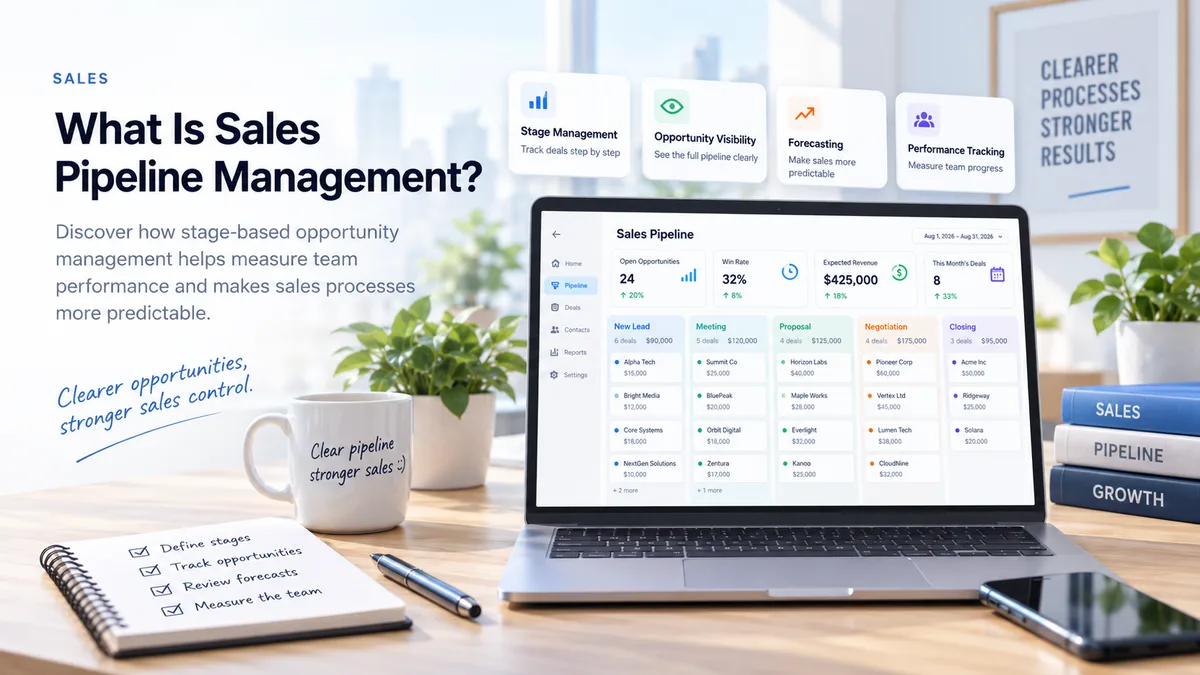
What Is Sales Pipeline Management?
Discover how managing opportunities by sales stage helps teams measure performance and build a more predictable sales process.
Read More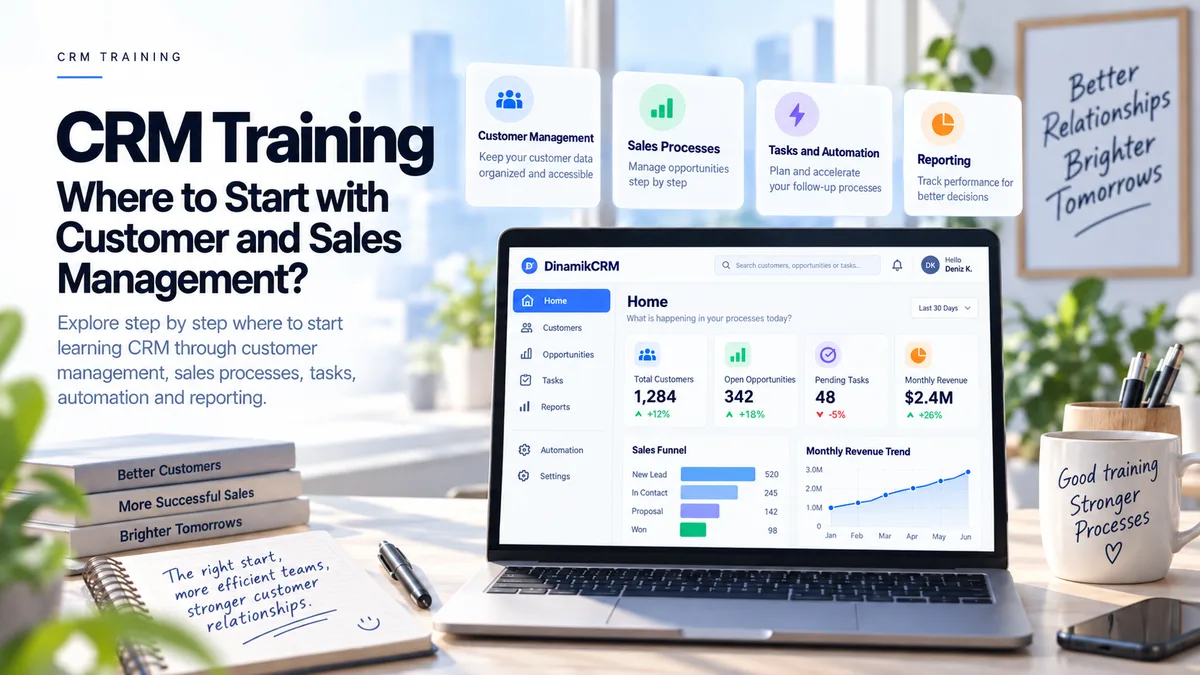
CRM Training: Where to Start with Customer and Sales Management
Learn where to start with CRM training through customer management, sales processes, tasks, automation and reporting.
Read More