What Is Lead Management and How Does It Work?
Learn how businesses capture, evaluate, assign, follow up and convert potential customers into qualified sales opportunities.
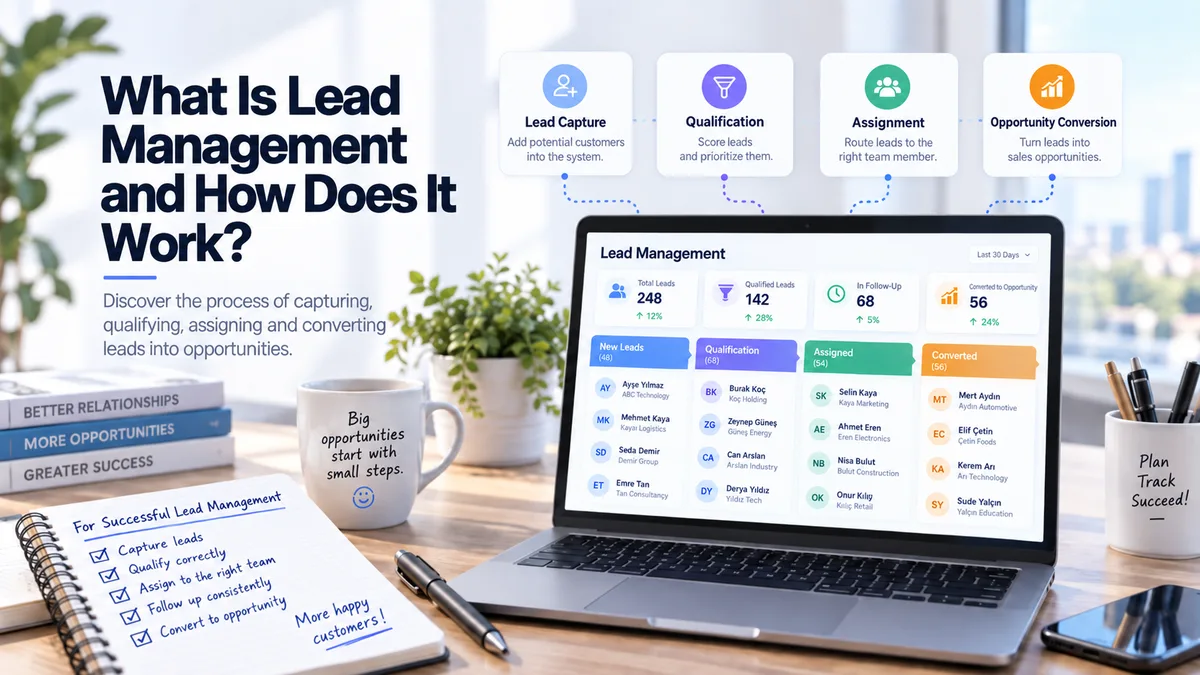
Sales success depends not only on generating more potential customers but also on managing them effectively. Lead management is the process of capturing, evaluating, tracking and converting potential customers into qualified sales opportunities.
A structured lead management process helps sales teams understand which prospects need attention and when they should be contacted.
What is a lead?
A lead is a potential customer who may have an interest in a company's products or services. Someone who submits a website form, requests a proposal, shares contact information at an event or is identified by a sales representative can become a lead.
However, not every lead has the same sales potential. Capturing leads is only the first step; businesses must also evaluate and prioritize them.
How does lead management work?
Lead management typically begins when a potential customer enters the system and continues until the lead becomes a qualified sales opportunity.
Capture the lead source
Businesses should know whether leads come from websites, advertising, social media, referrals, events or outbound sales activities.
This information helps teams understand which marketing and sales channels generate better results.
Evaluate the lead
Not all leads have the same priority. Company size, business need, budget, purchase timeline and level of interest can help determine which prospects deserve immediate attention.
Assign leads to the right sales representative
Manually distributing leads can cause delays and follow-up problems. Rule-based assignment by region, product, industry or sales team can make the process more efficient.
Manage follow-up activities
Calls, emails, meetings, tasks and notes should be recorded in one place so sales representatives can easily understand the history of each prospect.
Convert qualified leads into opportunities
When a prospect develops a real buying requirement, the lead can be converted into a sales opportunity and managed through the sales pipeline.
What are the benefits of managing leads with CRM?
Keeping leads in spreadsheets, email inboxes or personal notes can reduce visibility and increase the risk of losing opportunities.
CRM provides a shared structure where potential customers can be managed consistently across the sales organization.
- Fewer leads are lost.
- Follow-up activities become more structured.
- Sales representative performance can be measured.
- Lead sources can be compared.
- Conversion rates become visible.
- Managers gain better visibility into the sales process.
Which lead management metrics should be tracked?
Total lead volume alone is not enough to measure performance.
Businesses can also track lead-to-opportunity conversion rate, first response time, source performance, sales representative conversion rate and lost lead reasons.
What is the most common lead management mistake?
One of the most common problems is failing to contact leads quickly enough. A prospect's interest may decline if follow-up does not happen while intent is still high.
Tasks, reminders and CRM automation can help reduce this risk.
What is the difference between lead management and sales pipeline management?
Lead management focuses on potential customers who have not yet become active sales opportunities. Sales pipeline management focuses on qualified opportunities that are already moving through defined sales stages.
The two processes work together. Effective lead management continuously supplies the sales pipeline with qualified opportunities.
Conclusion
Lead management is not simply about storing potential customer information. It is a structured process for evaluating prospects, managing follow-ups and preparing qualified leads for the sales process.
With DinamikCRM, leads from different channels can be centralized, assigned to sales teams, tracked through activities and converted into opportunities when they become ready for the next stage.
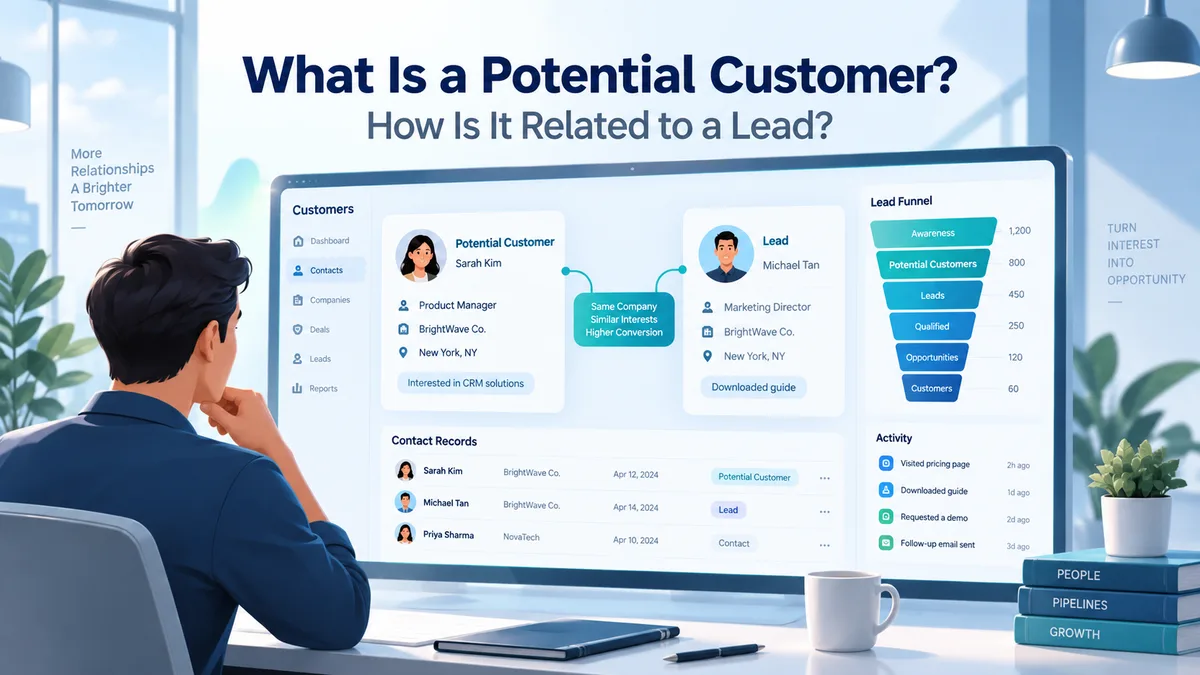
What Is a Potential Customer? How Is It Related to a Lead?
Learn what a potential customer means, how the concept relates to leads and how potential customers can be evaluated throughout the sales process.
Read More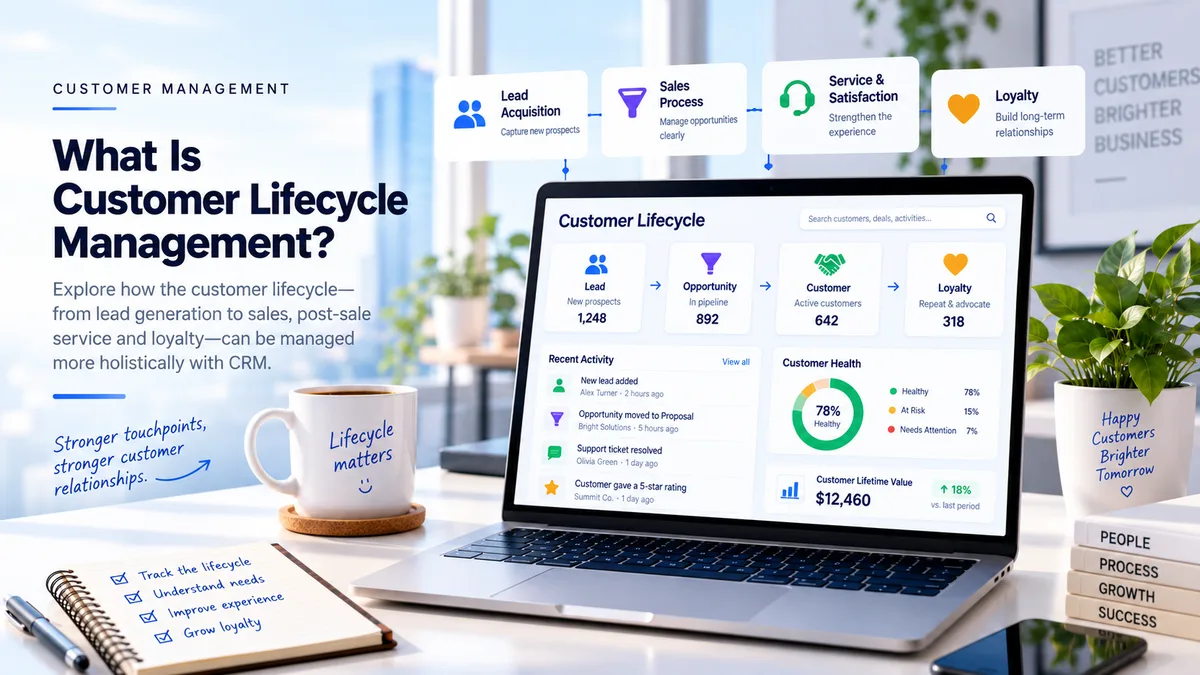
What Is Customer Lifecycle Management?
Discover how CRM can help manage the customer lifecycle more holistically, from the first opportunity and sale to post-sale service and long-term loyalty.
Read More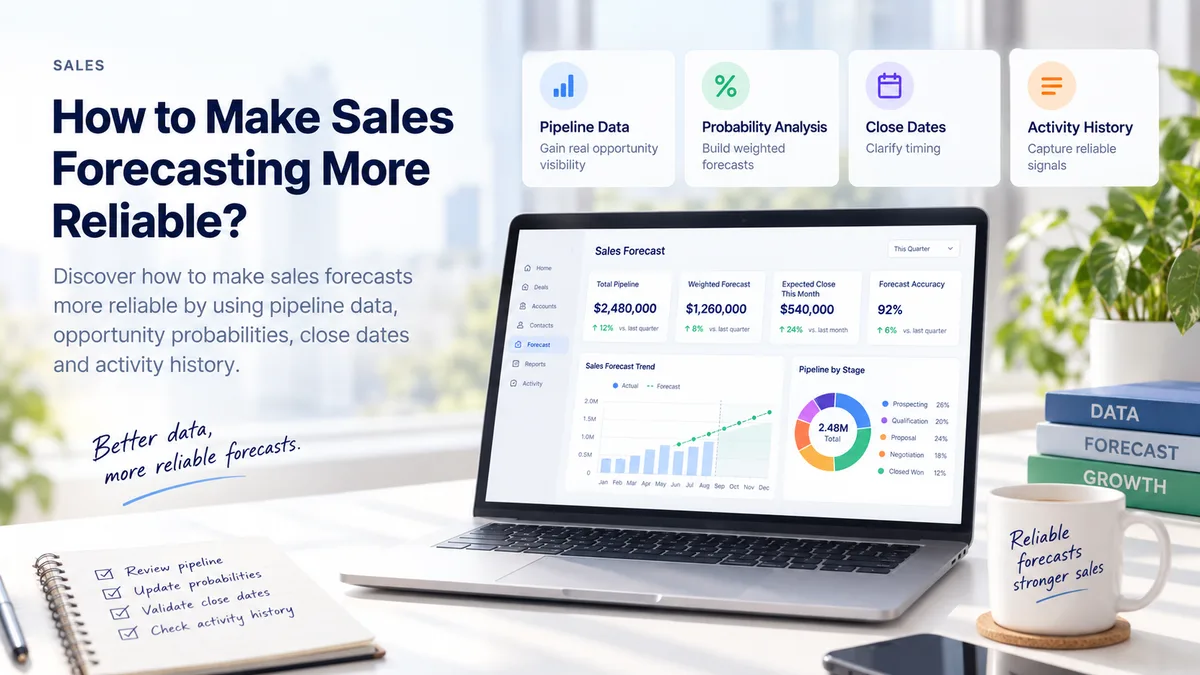
How to Make Sales Forecasting More Reliable
Discover how current pipeline data, opportunity probabilities, close dates and activity history can help improve the reliability of sales forecasts.
Read More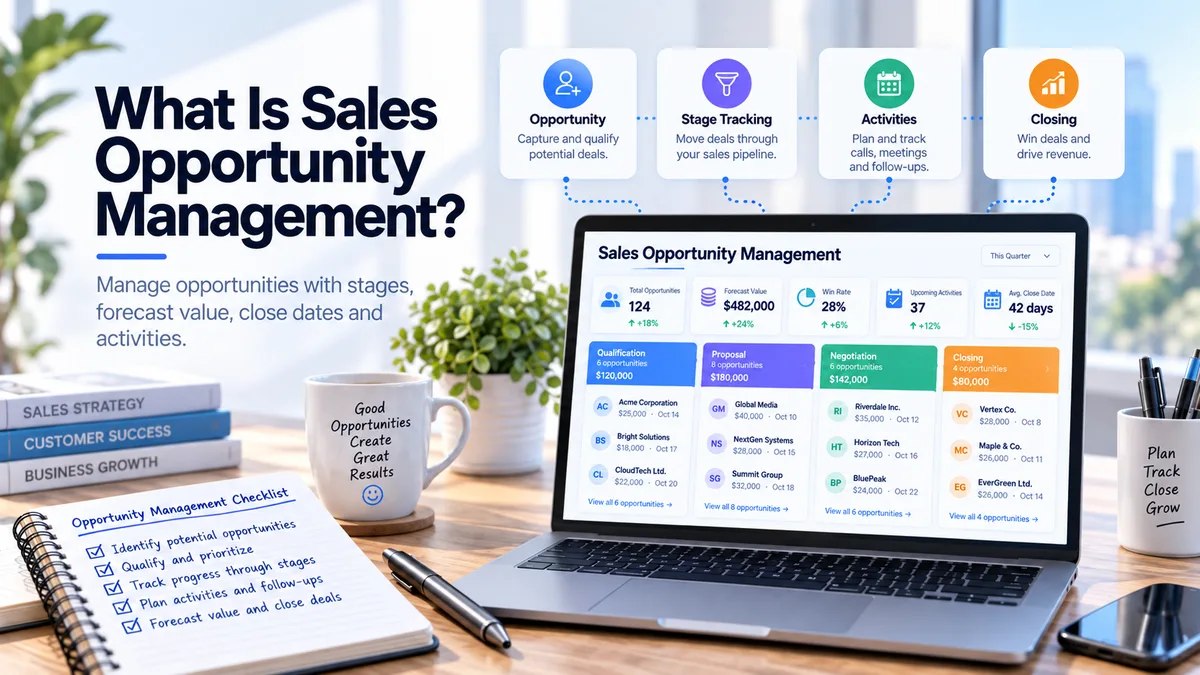
What Is Sales Opportunity Management?
Learn how sales opportunities can be managed through stages, expected values, close dates, activities and performance metrics.
Read More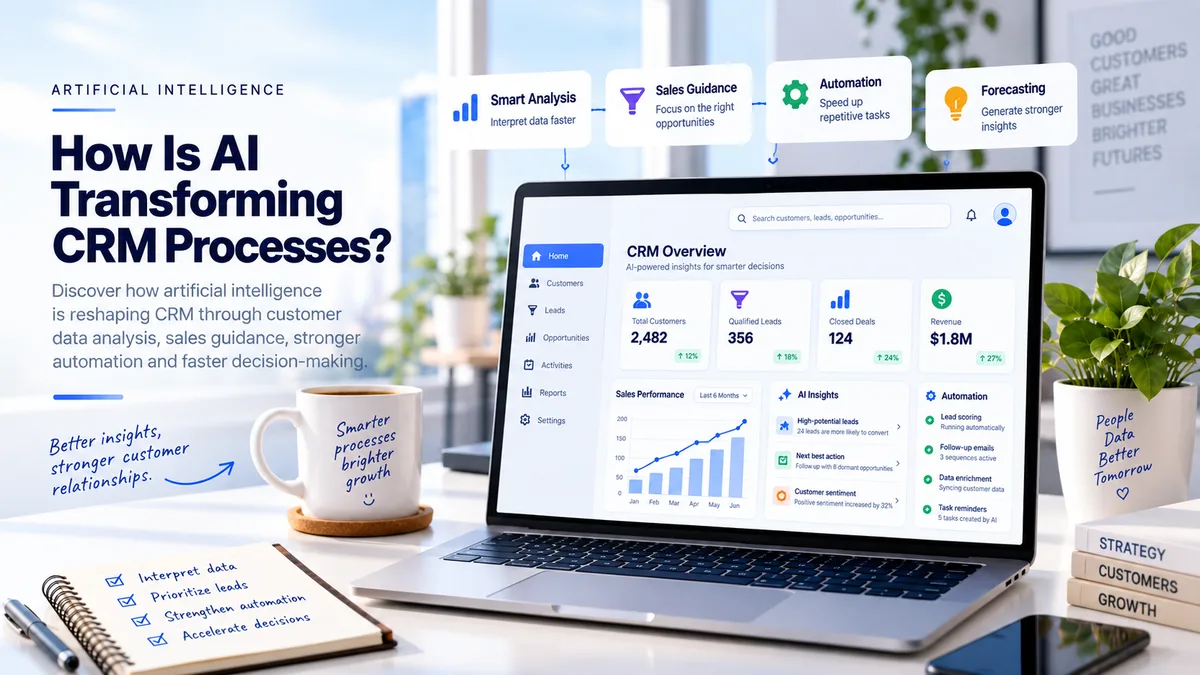
How Is AI Changing CRM?
Explore how AI is transforming CRM by interpreting customer data, guiding sales teams, strengthening automation and helping businesses make faster decisions.
Read More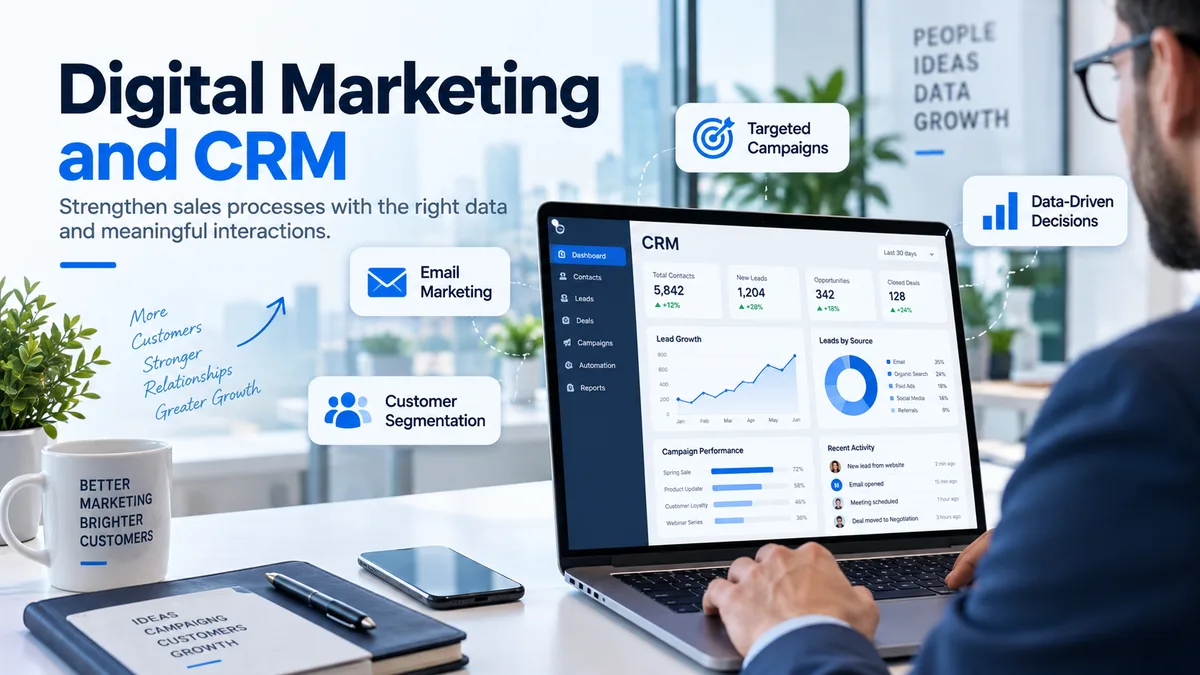
How Digital Marketing and CRM Work Together
Learn how CRM helps businesses manage leads generated through digital marketing and strengthen segmentation, follow-up and sales processes.
Read More