What Is a Potential Customer? How Is It Related to a Lead?
Learn what a potential customer means, how the concept relates to leads and how potential customers can be evaluated throughout the sales process.
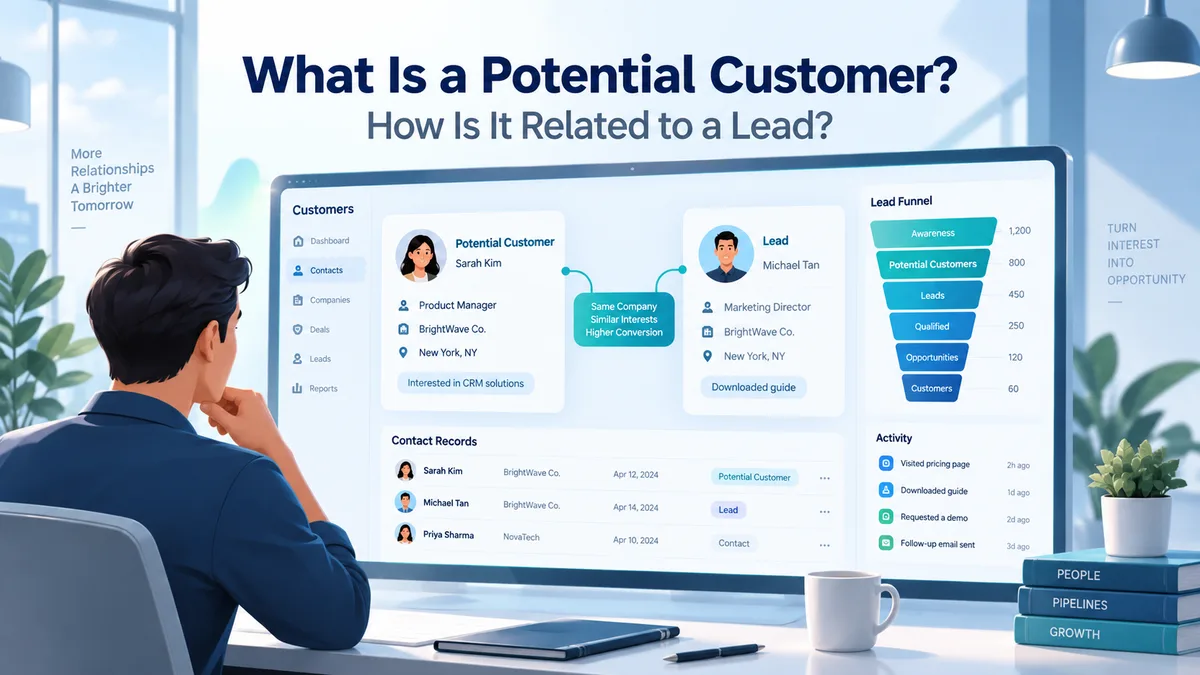
A potential customer is a person or company that may have a need for the product or service a business offers and could become a customer in the future. In sales processes, potential customers may also be described as leads, prospects or sales candidates.
Not every potential customer is at the same stage. Some may only have made initial contact, while others may already have a clearly defined need, budget or purchasing timeline.
What Does Potential Customer Mean?
A potential customer is not yet an existing customer. The important point is that there is a meaningful relationship between the person's or company's needs and the solution the business provides.
For example, a company researching CRM software and requesting information from a CRM provider may be considered a potential customer.
What Is a Lead?
A lead is a common term used for a person or company that has entered a sales or marketing process but has not yet become a customer.
Leads can originate from many different sources:
- Website forms
- Phone calls
- Events and trade shows
- Referrals
- Digital advertising
- Social media
- Direct sales outreach
Having contact information alone does not mean a lead is ready to buy. Sales teams therefore need to evaluate leads and determine which ones should progress further in the sales process.
Are a Potential Customer and a Lead the Same Thing?
In everyday use, the terms potential customer and lead are often used interchangeably. However, businesses may define them differently within their own sales processes.
A company might describe every newly captured sales candidate as a lead, while only leads that meet certain criteria are considered qualified potential customers.
What matters most is not the terminology itself, but that sales stages and definitions are understood consistently across the team.
How Do You Identify a Potential Customer?
Businesses can use different criteria to determine whether a sales candidate represents a realistic opportunity.
Need
The potential customer should have a real problem or requirement that the product or service can address.
Level of interest
Website activity, information requests, demo requests, pricing research or conversations with the sales team can provide signals about interest.
Decision process
The contact may be the decision-maker or one of several people involved in the buying process. Understanding the decision structure is particularly important in B2B sales.
Timing
Some prospects may have an immediate requirement, while others may be considering the solution for a later period.
Fit
Company size, industry, use case or business requirements may not always match the solution being offered. Not every lead needs to become a sales opportunity.
Why Should Potential Customers Be Tracked?
Recording contact information alone is not enough. Sales teams also need to know when contact was made, what was discussed and what the next step should be.
Without consistent follow-up, sales candidates can be forgotten, contacted repeatedly by different team members or left without a clear next action.
How Can CRM Support Potential Customer Management?
CRM systems can help businesses capture potential customers in one place, assign them to responsible team members and track them throughout the sales process.
A lead record may contain information such as:
- Person or company information
- Contact details
- Lead source
- Product or service of interest
- Responsible sales representative
- Activity and communication history
- Next follow-up date
- Qualification status
This gives sales teams a more structured view of which candidates are being followed and which ones may be ready to move forward.
When Does a Lead Become a Sales Opportunity?
The point at which a lead becomes an opportunity depends on the company's sales model. In general, the transition happens when the need becomes clearer and there is a realistic possibility of a sale.
Opportunity management typically introduces information such as expected value, sales stage, estimated close date and planned activities.
Learn more on the Sales Opportunity Management page.
What Is Lead Management?
Lead management is the process of capturing, evaluating, assigning, following and converting potential customers into qualified sales opportunities.
Read our What Is Lead Management and How Does It Work? guide for a more detailed explanation.
To explore the DinamikCRM solution, visit the Lead Management page.
What Should You Consider When Managing Potential Customers?
- Record lead sources consistently.
- Reduce duplicate lead records.
- Assign a clear owner to each lead.
- Record the next action and follow-up date.
- Define sales stages clearly.
- Track why leads do not become opportunities.
A structured process helps teams not only collect more leads, but also manage existing potential customers more effectively.
From Potential Customer to Customer
Potential customer management is one of the early stages of the sales process. As the need becomes clearer, a lead can become an opportunity, move through proposal and negotiation stages and eventually become a customer.
Explore Sales Management and Sales Pipeline for the broader sales process.
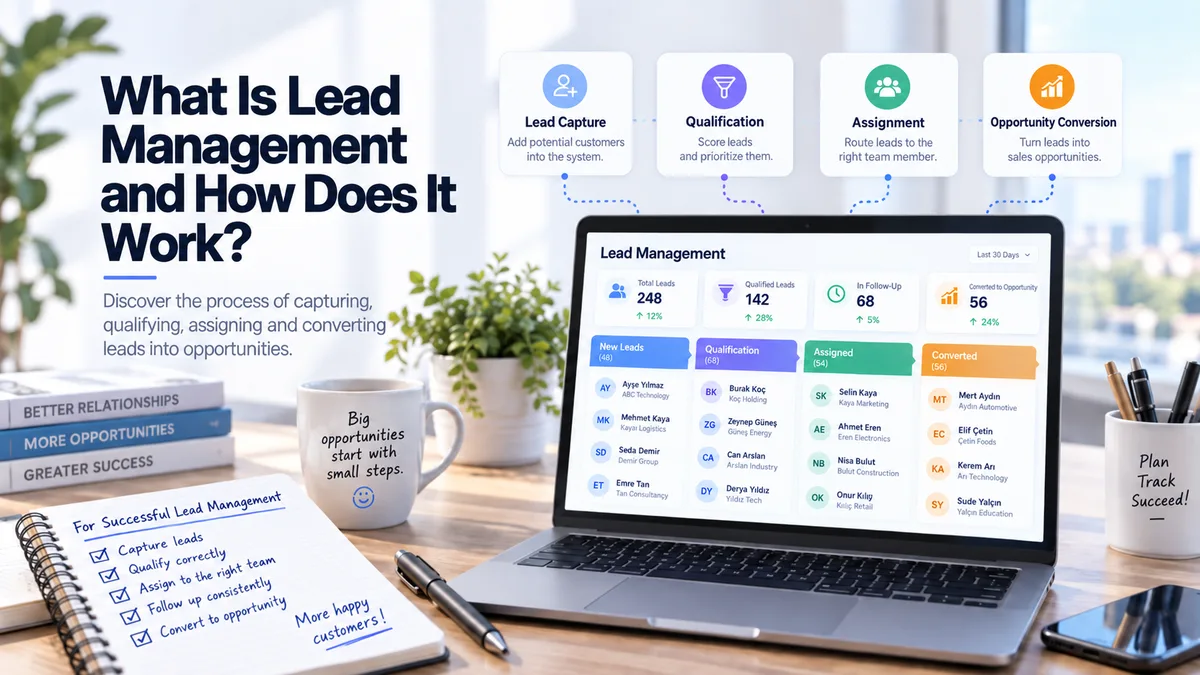
What Is Lead Management and How Does It Work?
Learn how businesses capture, evaluate, assign, follow up and convert potential customers into qualified sales opportunities.
Read More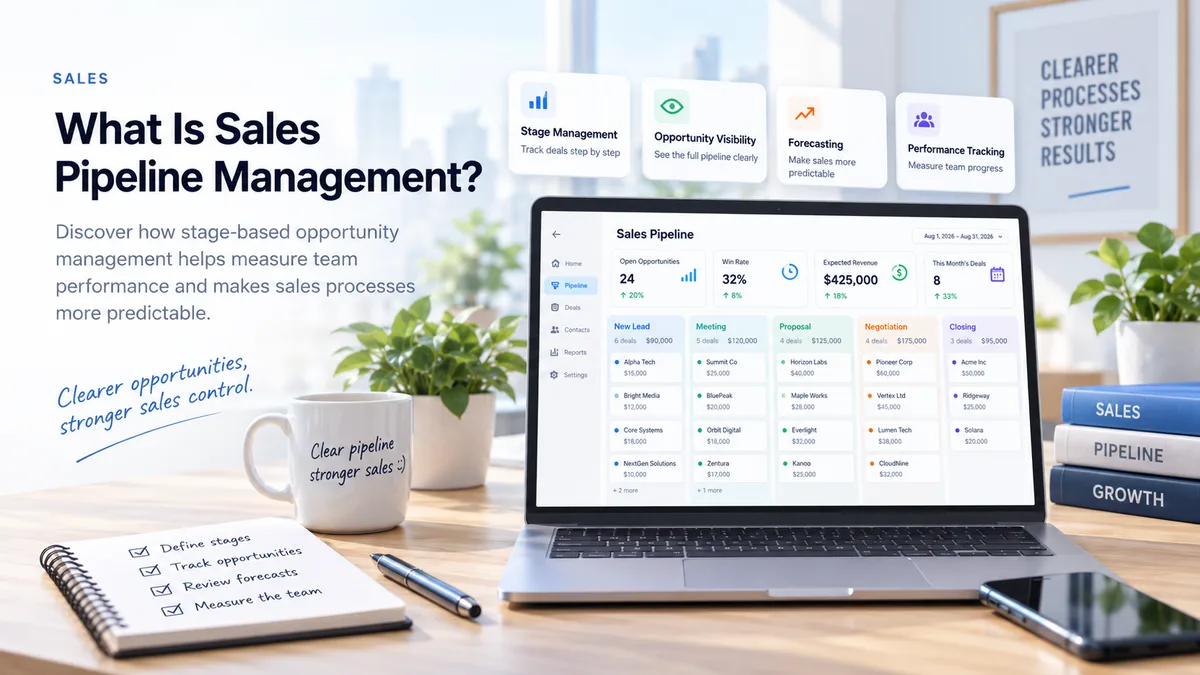
What Is Sales Pipeline Management?
Discover how managing opportunities by sales stage helps teams measure performance and build a more predictable sales process.
Read More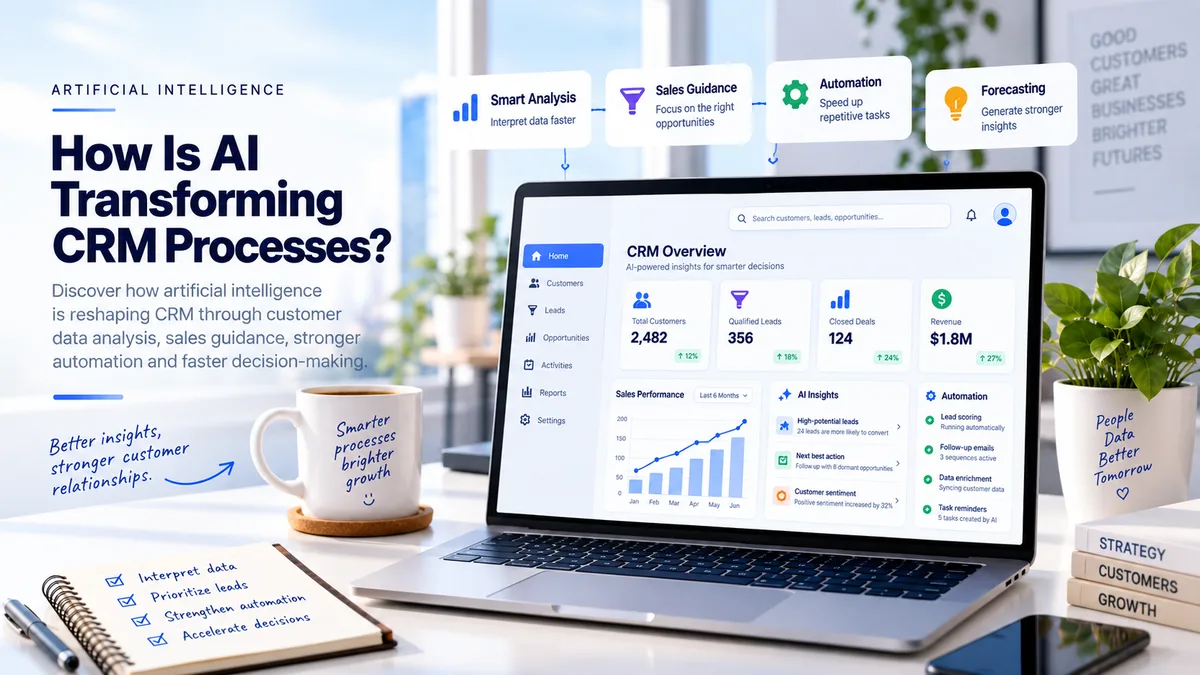
How Is AI Changing CRM?
Explore how AI is transforming CRM by interpreting customer data, guiding sales teams, strengthening automation and helping businesses make faster decisions.
Read More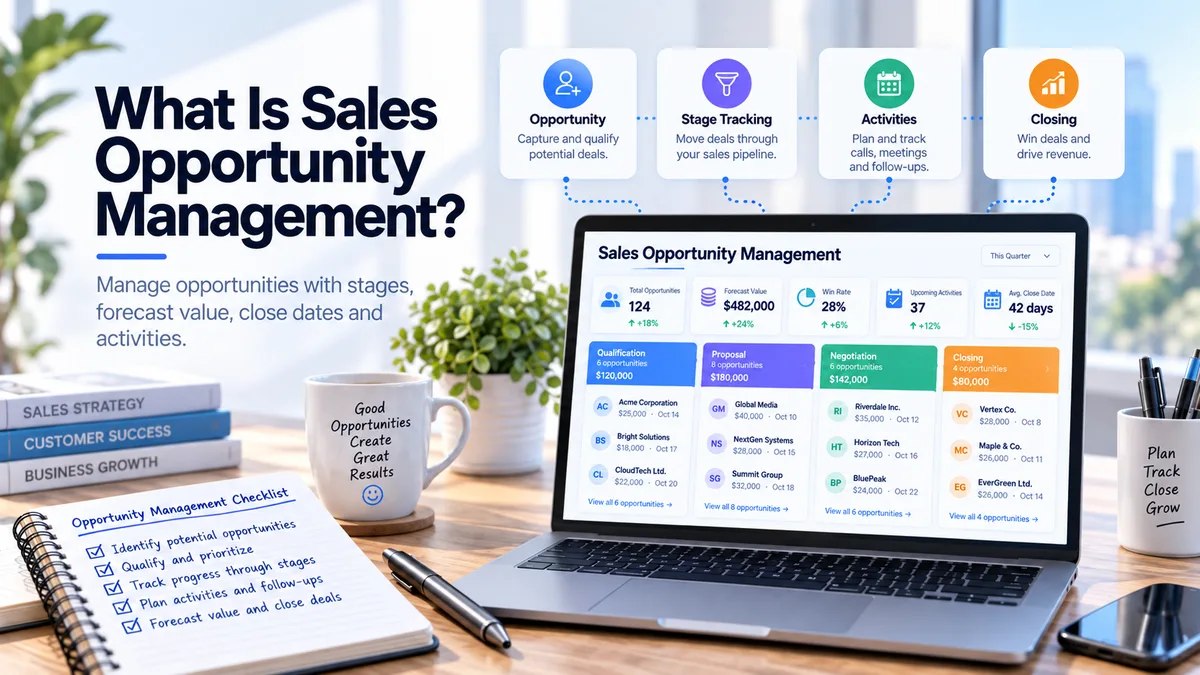
What Is Sales Opportunity Management?
Learn how sales opportunities can be managed through stages, expected values, close dates, activities and performance metrics.
Read More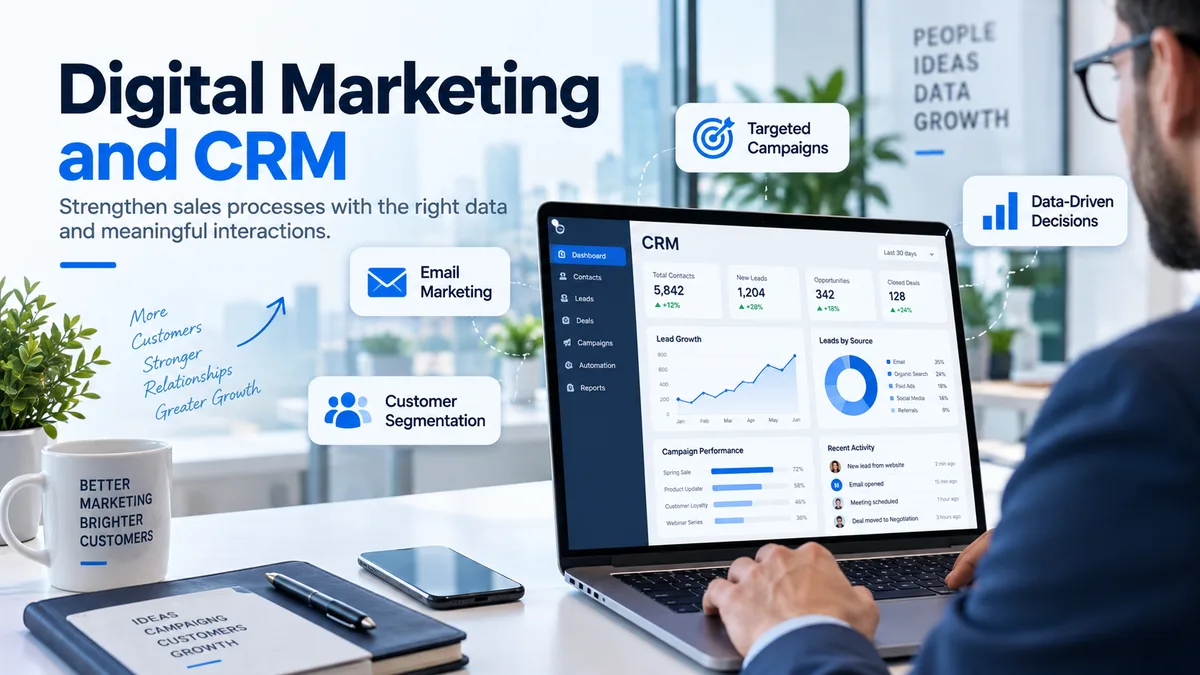
How Digital Marketing and CRM Work Together
Learn how CRM helps businesses manage leads generated through digital marketing and strengthen segmentation, follow-up and sales processes.
Read More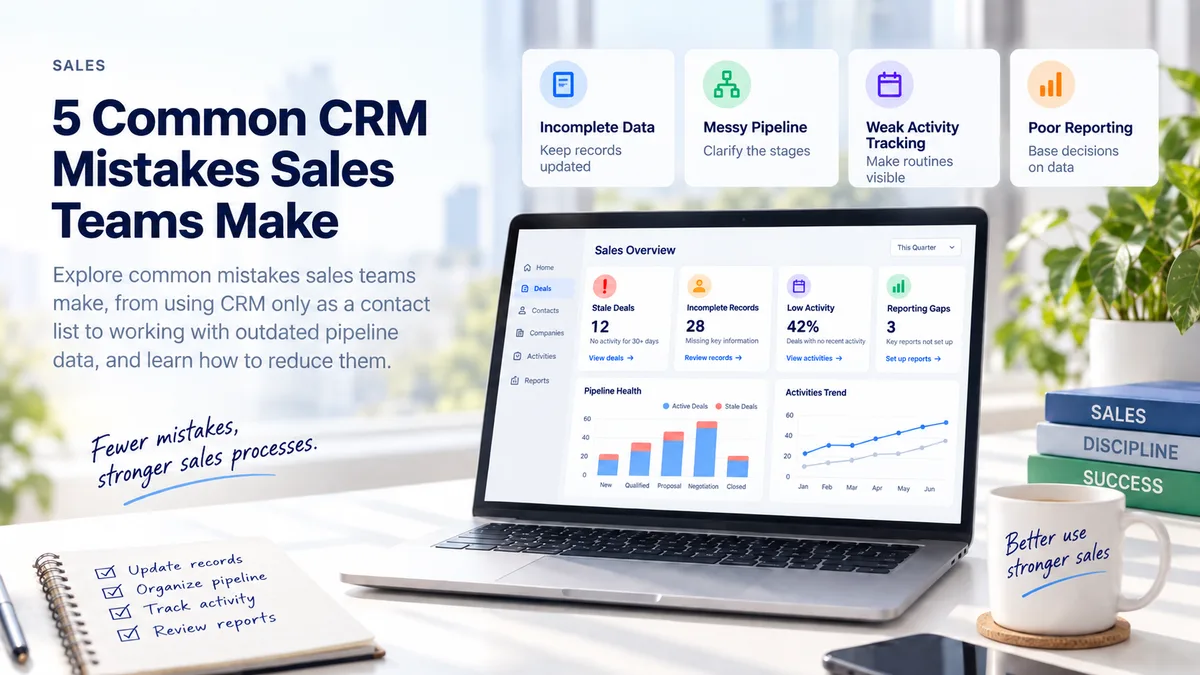
5 Common CRM Mistakes Sales Teams Make
Explore common CRM mistakes sales teams make, from using CRM only as a contact list to working with outdated pipeline data, and learn how to improve adoption.
Read More