What Is Sales Pipeline Management?
Discover how managing opportunities by sales stage helps teams measure performance and build a more predictable sales process.
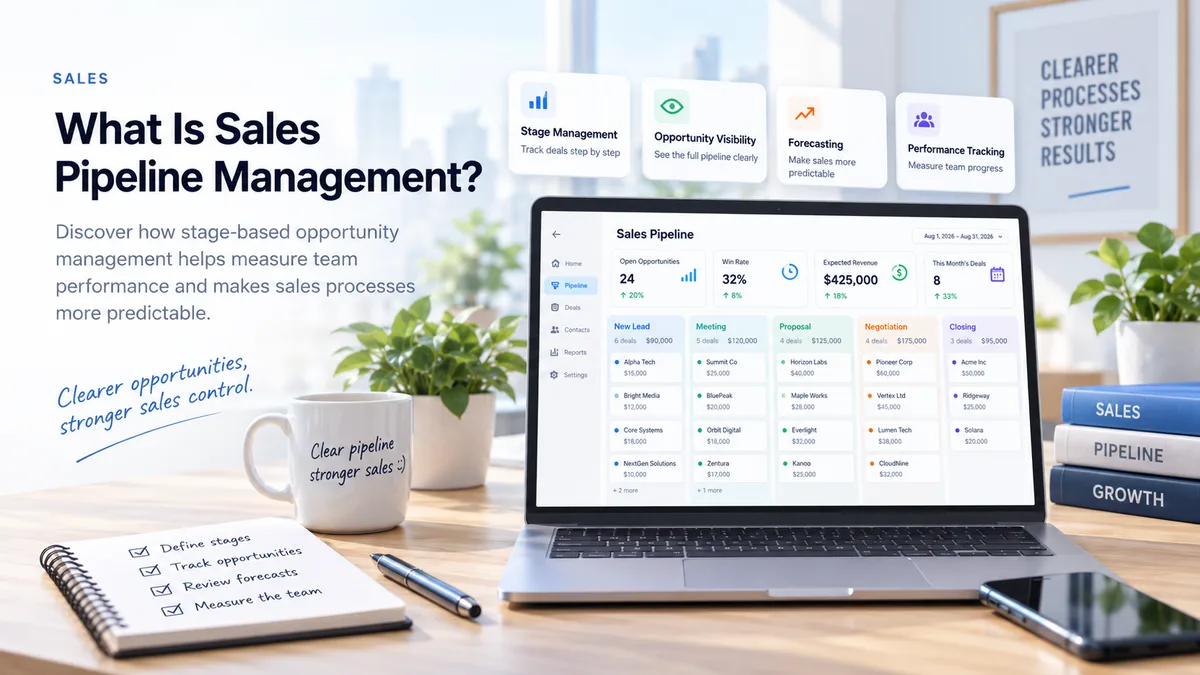
Sales pipeline management is the systematic tracking of potential customers as they move from initial contact toward a completed sale. It gives teams more than a simple opportunity list: it helps them understand where each opportunity stands and what should happen next.
What is a sales pipeline?
A sales pipeline organizes active opportunities into defined stages. A typical process might include new opportunity, needs analysis, proposal, negotiation and won.
Why is pipeline management important?
When opportunities are managed through personal notes or disconnected files, it becomes difficult to see the overall sales picture. A structured pipeline makes opportunities visible and helps teams prioritize more effectively.
If you are just starting to build your sales pipeline, you can use our free Sales Pipeline Excel Template to organize opportunities and sales stages more consistently. The ready-to-use template helps you start tracking opportunities, pipeline stages, expected sales values and closing dates in one structured view.
Define sales stages clearly
Effective pipeline management starts with clear stages. The team should understand what must happen before an opportunity moves to the next step.
The proposal stage deserves particular attention. It is not enough to know that a quote has been prepared or sent. Sales teams should also be able to see whether the proposal is waiting for a response, requires revision, has a scheduled follow-up or has already reached a final outcome.
To manage this stage more systematically, explore Quote Tracking Software .
Track opportunity value and expected close
Opportunity value, expected closing date and current stage help teams understand the financial picture behind the pipeline, not just the number of open deals.
Instead of looking at pipeline size only as the total value of open opportunities, it is more useful to evaluate it together with your win rate and sales target. Use your current figures to estimate sales from your pipeline data and see expected revenue, target attainment and the additional pipeline required to reach your goal.
Connect activities with opportunities
Calls, meetings, emails, proposals and follow-up tasks move opportunities forward. Keeping these activities together with the opportunity record preserves the sales history.
After a proposal is sent, follow-up calls, meetings, reminders and possible revisions should also remain visible within the same sales context. This helps representatives understand not only which stage an opportunity is in, but also what should happen next with the quote.
Identify stalled opportunities
Opportunities that remain in the same stage for too long are an important signal. Making them visible in a CRM helps teams act before valuable deals are forgotten.
The same applies to opportunities that remain at the proposal stage. Quotes that have received no response, have overdue follow-ups or are waiting for revision can make the pipeline appear healthier than it really is if they are not actively managed.
To keep pending quotes and follow-up actions visible, explore the quote tracking solution .
Analyze conversion rates
Reviewing conversion rates between stages helps businesses understand where opportunities are being lost and where the sales process may need improvement.
For opportunities at the proposal stage, teams can also review the distribution of pending, revised, accepted and lost quotes instead of looking only at the total number of proposals sent.
Using CRM for pipeline management
Excel can be a practical way to start building a sales pipeline and bring more structure to opportunity tracking. As the number of opportunities, users and follow-up activities grows, however, managing the sales process in a centralized system becomes increasingly important.
CRM moves the pipeline into a shared environment where opportunities, activities, tasks, targets and reports can be managed together.
When an opportunity reaches the proposal stage, the quote status, customer response, follow-up date and final outcome can also remain visible within the same sales process. This reduces the risk of proposal activity becoming disconnected from the opportunity itself.
See how DinamikCRM supports this process with DinamikCRM Quote Tracking Software .
Learn more about the wider sales process on the Sales Management solution page.
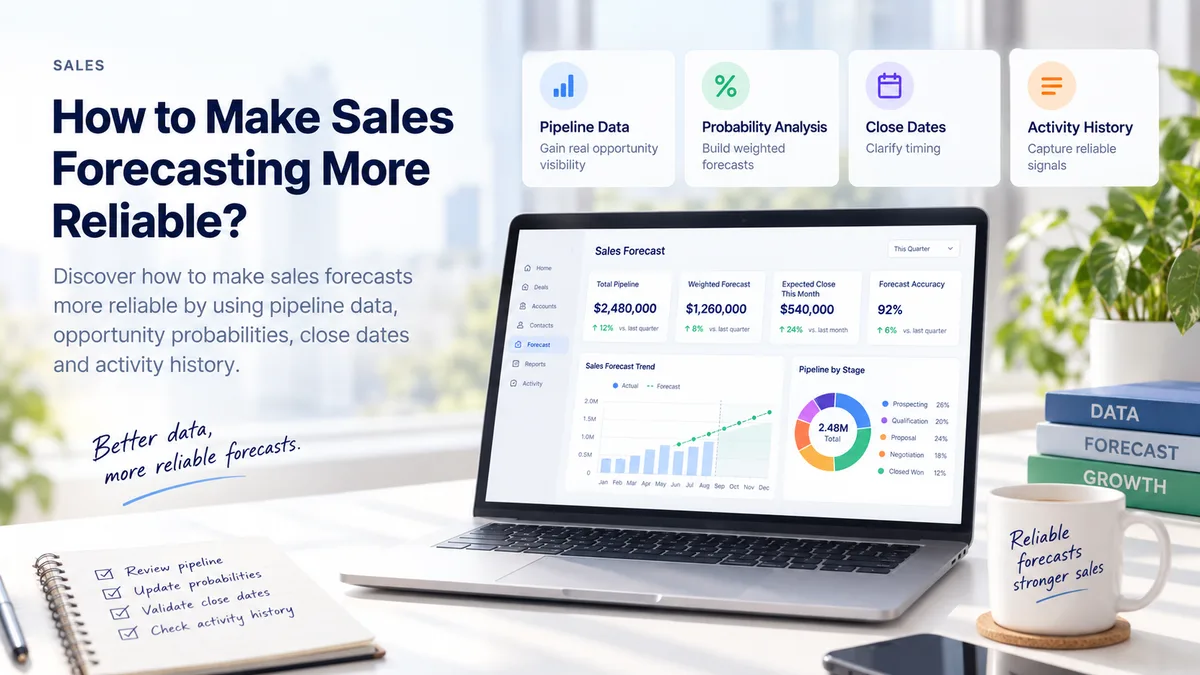
How to Make Sales Forecasting More Reliable
Discover how current pipeline data, opportunity probabilities, close dates and activity history can help improve the reliability of sales forecasts.
Read More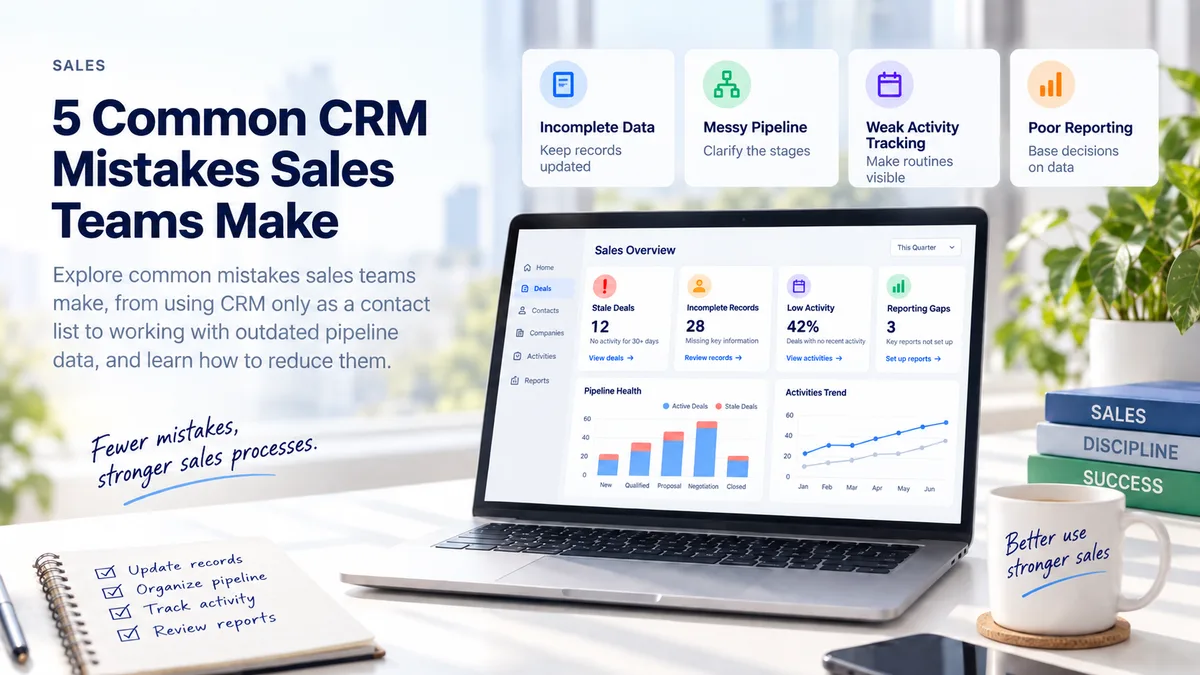
5 Common CRM Mistakes Sales Teams Make
Explore common CRM mistakes sales teams make, from using CRM only as a contact list to working with outdated pipeline data, and learn how to improve adoption.
Read More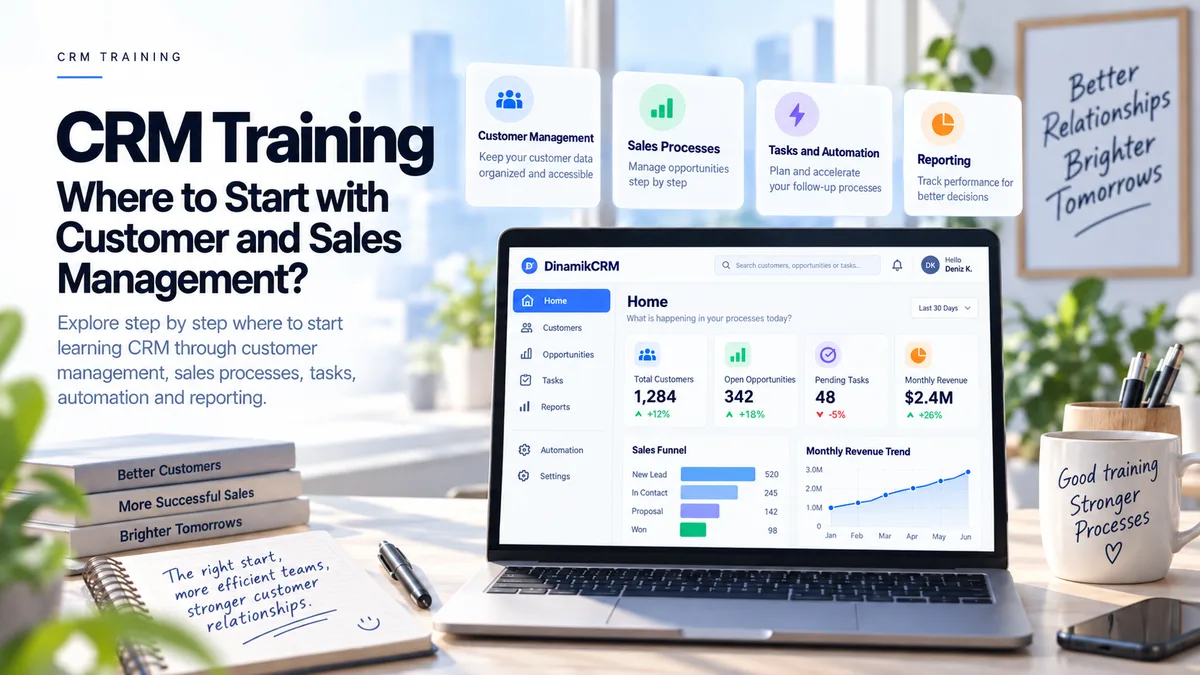
CRM Training: Where to Start with Customer and Sales Management
Learn where to start with CRM training through customer management, sales processes, tasks, automation and reporting.
Read More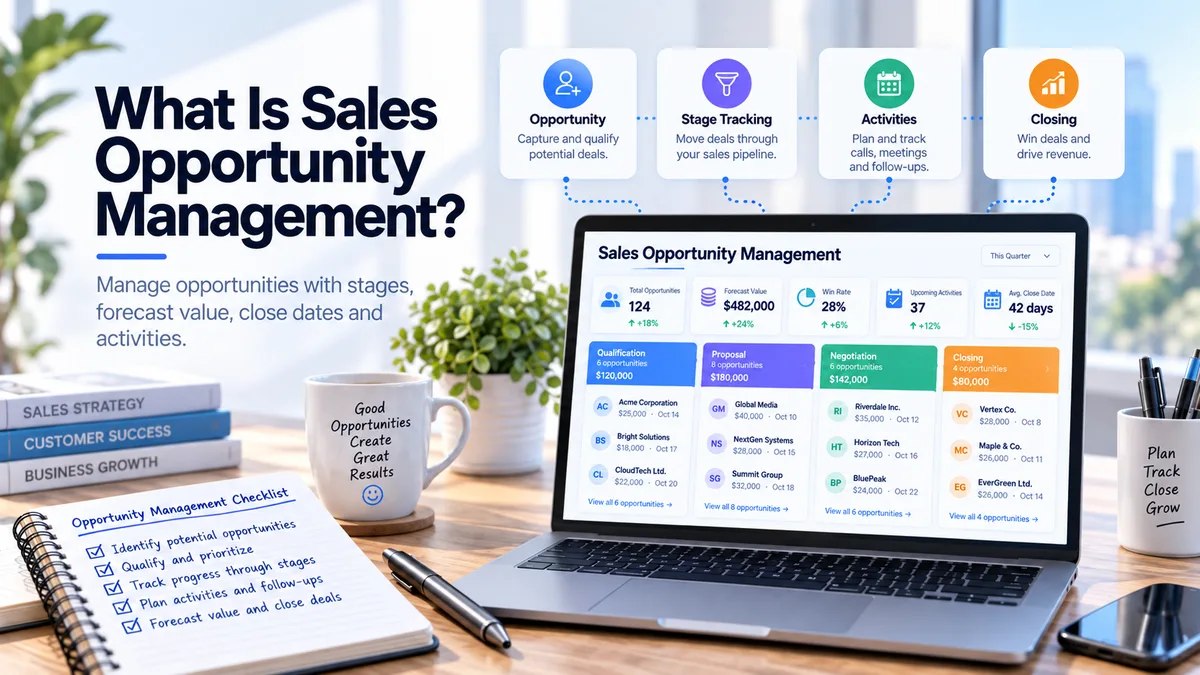
What Is Sales Opportunity Management?
Learn how sales opportunities can be managed through stages, expected values, close dates, activities and performance metrics.
Read More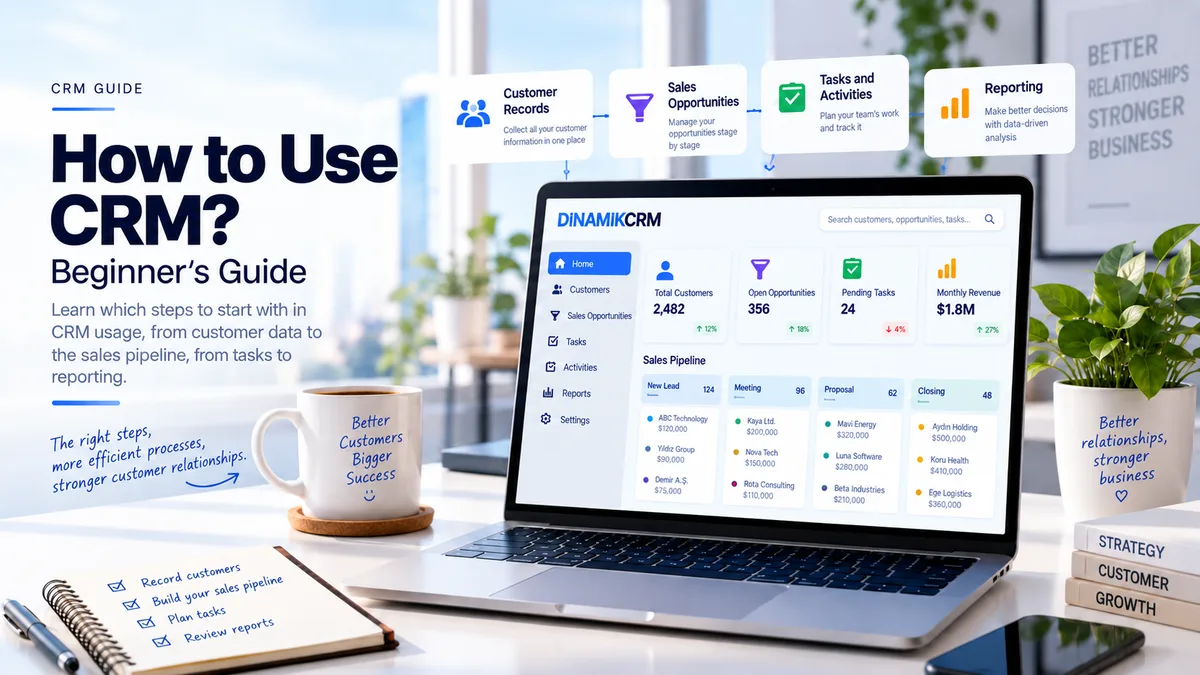
How to Use CRM: A Beginner's Guide
Learn how to start using CRM, from organizing customer data and sales pipelines to tasks, follow-ups and reporting.
Read More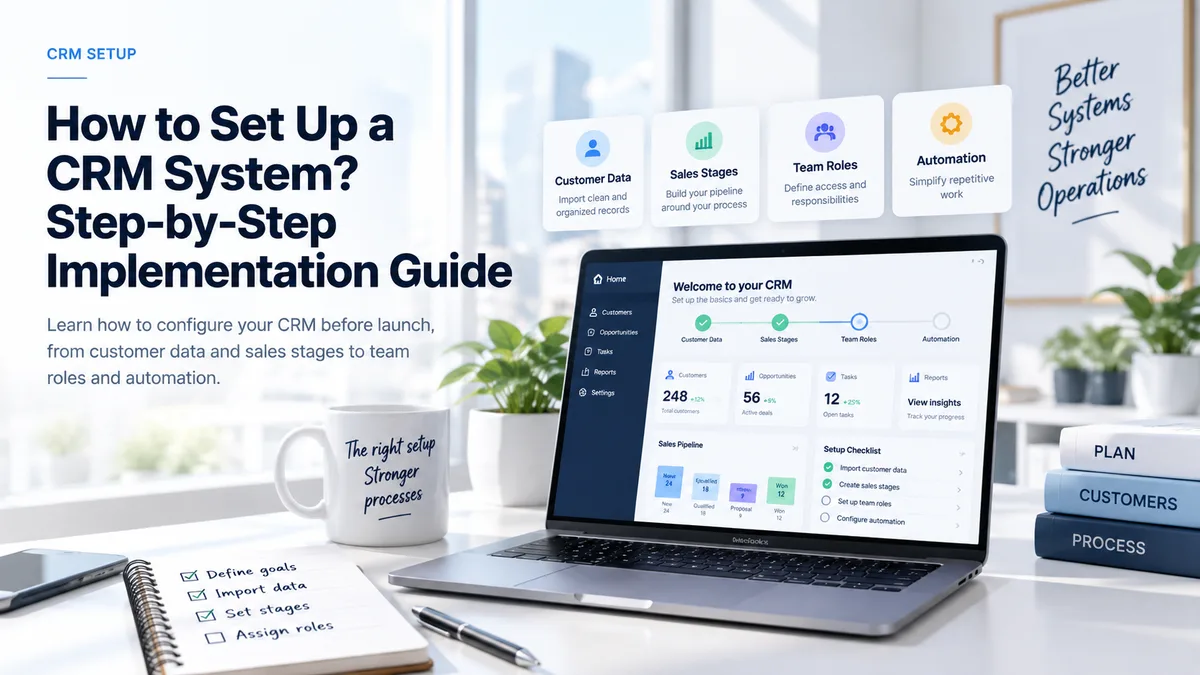
How to Set Up CRM Software: A Step-by-Step Guide
Learn how to configure CRM software, from customer data and sales stages to team roles, follow-ups, automation and reporting.
Read More