Why Data Quality Matters in CRM
Learn how incomplete, outdated or duplicate customer data can affect sales and service processes, and how to build a healthier CRM data structure.
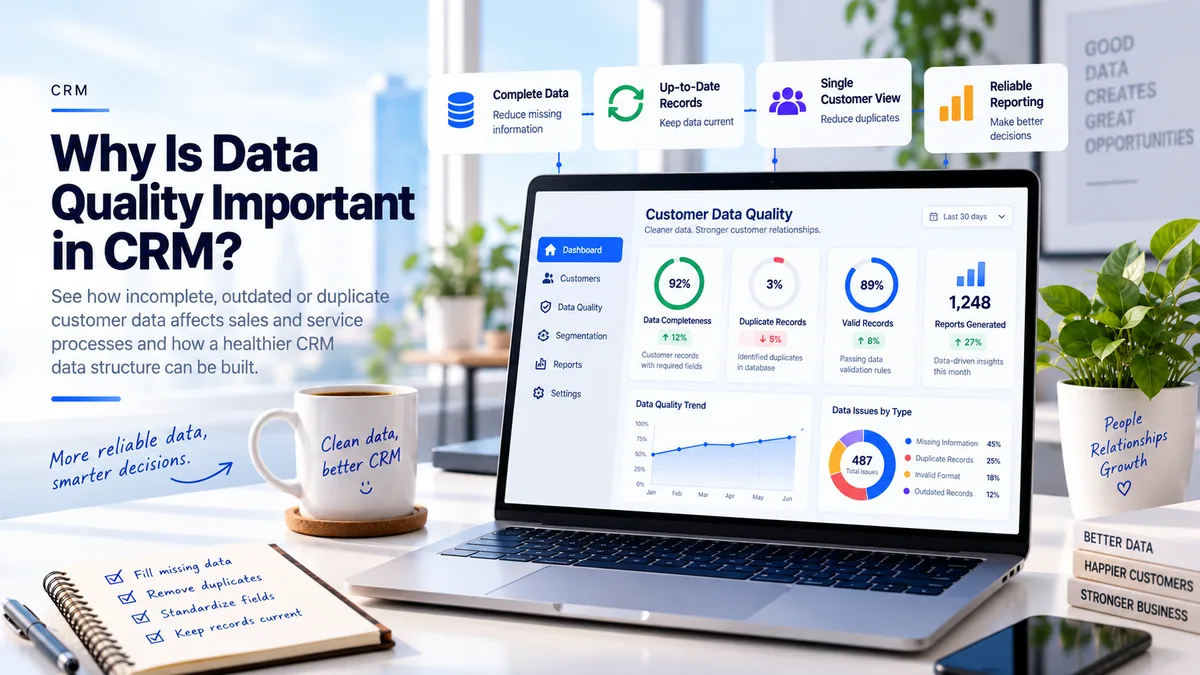
CRM success depends on more than the software itself. The accuracy, consistency and freshness of the data stored in the system are just as important. Poor customer data can directly affect everything from sales forecasting to customer service.
What is CRM data quality?
CRM data quality means keeping customer, contact, opportunity, activity and related records accurate, current, complete and free from unnecessary duplication. Users need to trust that the information they see reflects the real state of the customer relationship.
1. Duplicate records create fragmented customer histories
When the same company or contact exists more than once, communication history becomes fragmented. One record may contain an offer while another contains different contact information, making it harder for teams to work consistently.
2. Outdated data weakens the sales process
Expired close dates, opportunities that remain in the wrong stage and incorrect contact details reduce pipeline visibility. Reliable forecasting requires CRM records to reflect the current reality of each opportunity.
3. Missing data makes reporting less reliable
Reports are only as trustworthy as their source data. If key fields such as industry, source, sales stage or owner are not completed consistently, analysis becomes incomplete and management decisions become more difficult.
4. Create clear data standards
Teams should agree on how phone numbers, company names, countries, industries and other common fields are entered. Standardized data improves search quality, reporting and integration reliability.
5. Use required fields carefully
Making every field mandatory can create unnecessary friction. A better approach is to identify which information is essential at each stage and collect additional details as the process progresses.
6. Clarify permissions and ownership
Businesses should define who can create, update or delete different types of records. Clear authorization helps protect data integrity and reduces accidental changes.
7. Make data cleanup a recurring process
CRM data quality is not a one-time project. Duplicate checks, outdated information reviews and record cleanup should become regular operational practices.
Centralized data management with DinamikCRM
DinamikCRM supports centralized customer and process data management with capabilities such as custom fields, authorization, Excel import/export and dynamic reporting, helping businesses shape their CRM data structure around their operational needs.
Conclusion
Healthy CRM data is the foundation for reliable sales forecasting, stronger customer experiences, meaningful reporting and trustworthy automation. Businesses that want more value from CRM should treat data quality as an ongoing business process.
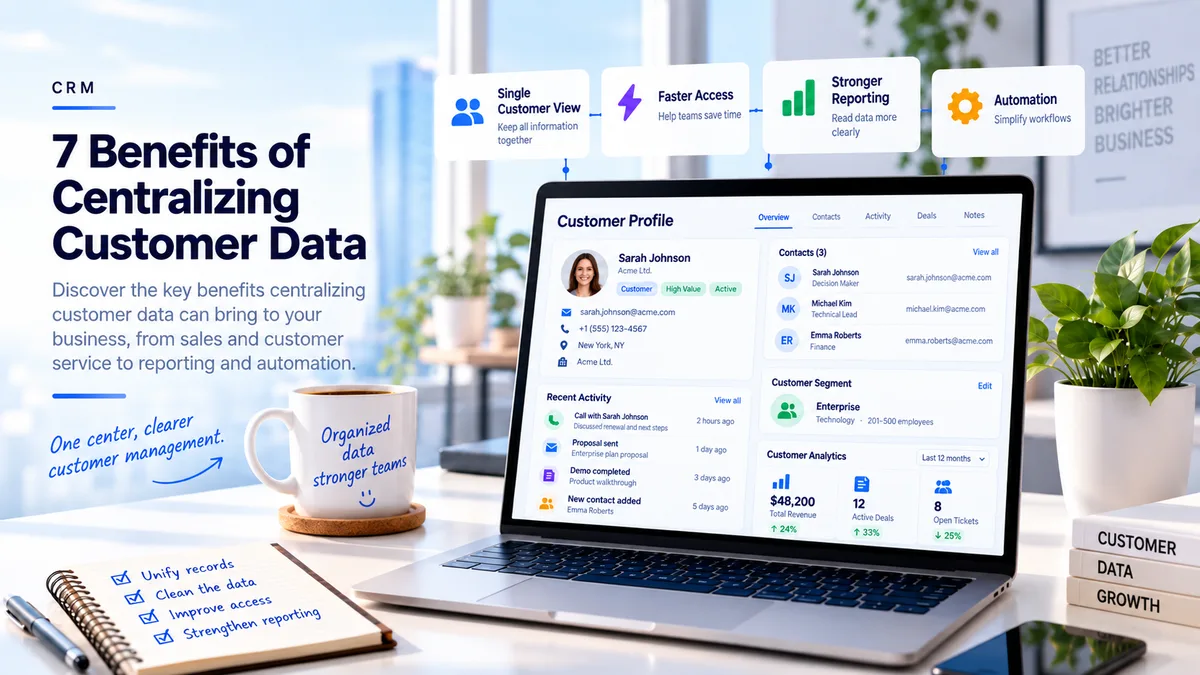
7 Benefits of Centralizing Customer Data
Discover how centralizing customer data can support sales, customer service, reporting, automation and stronger collaboration across your business.
Read More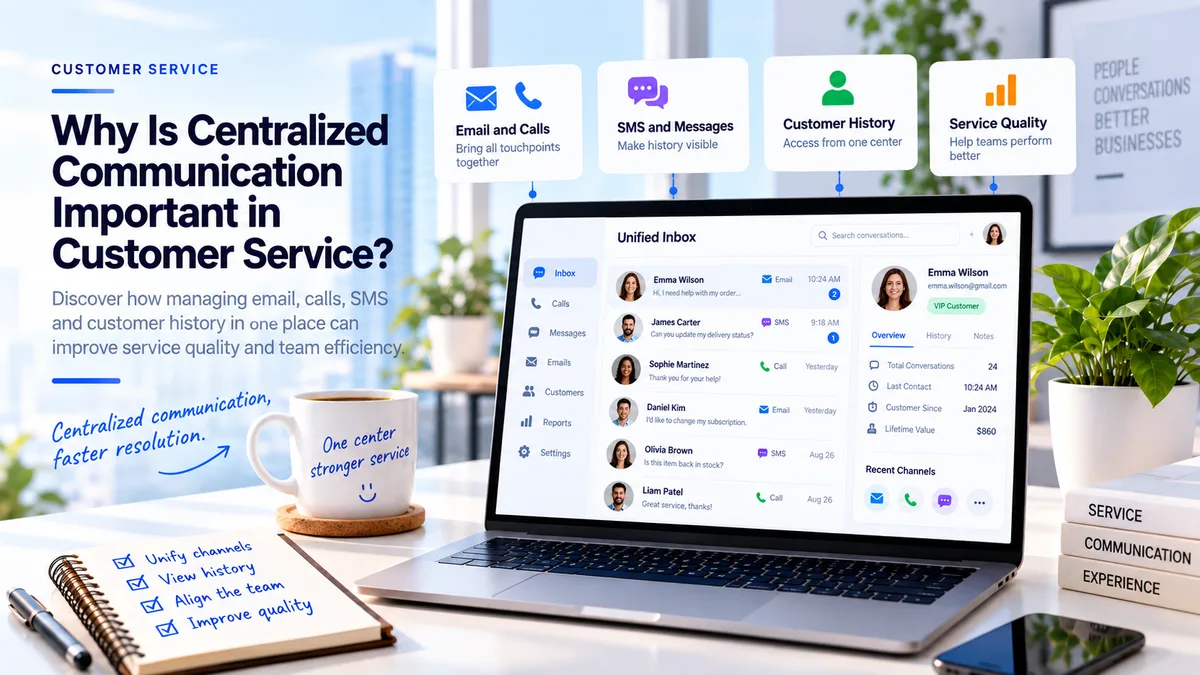
Why Is Centralized Communication Important in Customer Service?
Learn how managing email, calls, SMS and customer history from one place can improve service quality and team productivity.
Read More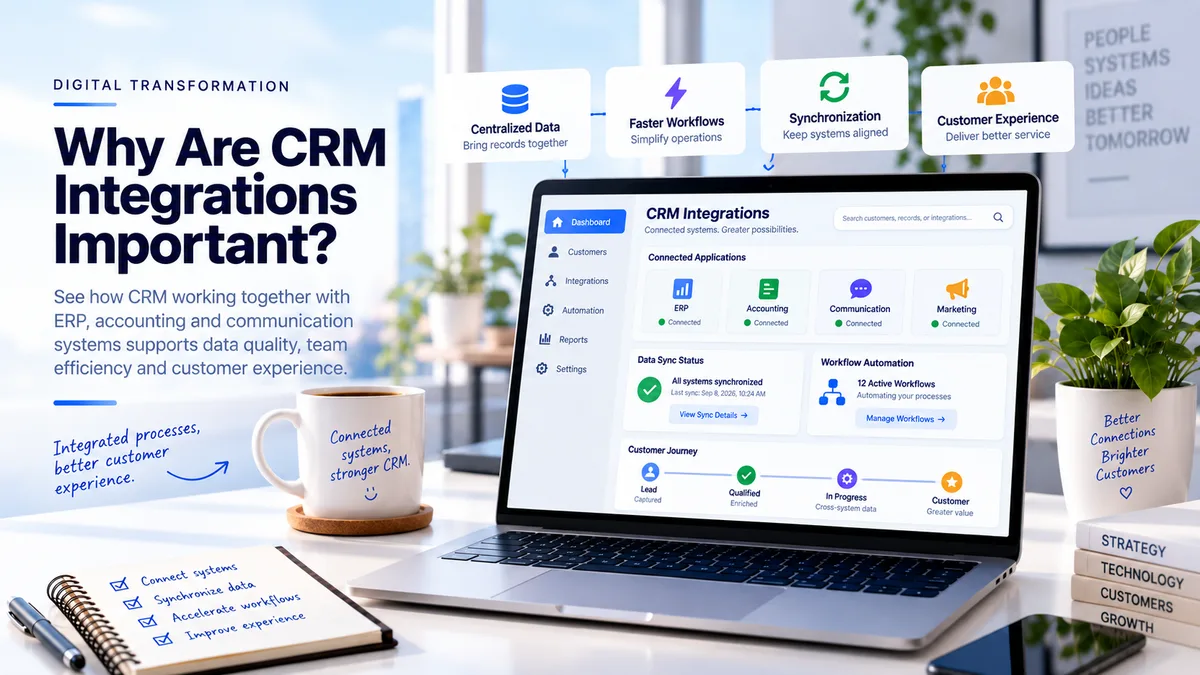
Why CRM Integrations Matter
Learn how connecting CRM with ERP, accounting and communication systems can improve data quality, team efficiency and the overall customer experience.
Read More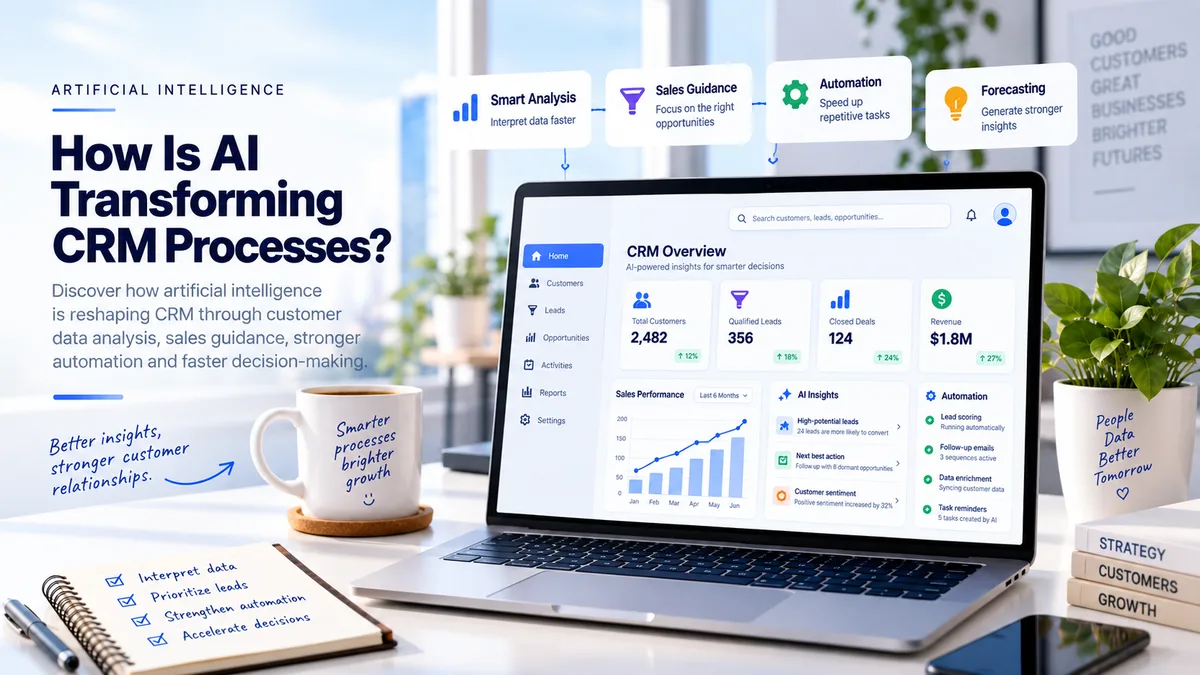
How Is AI Changing CRM?
Explore how AI is transforming CRM by interpreting customer data, guiding sales teams, strengthening automation and helping businesses make faster decisions.
Read More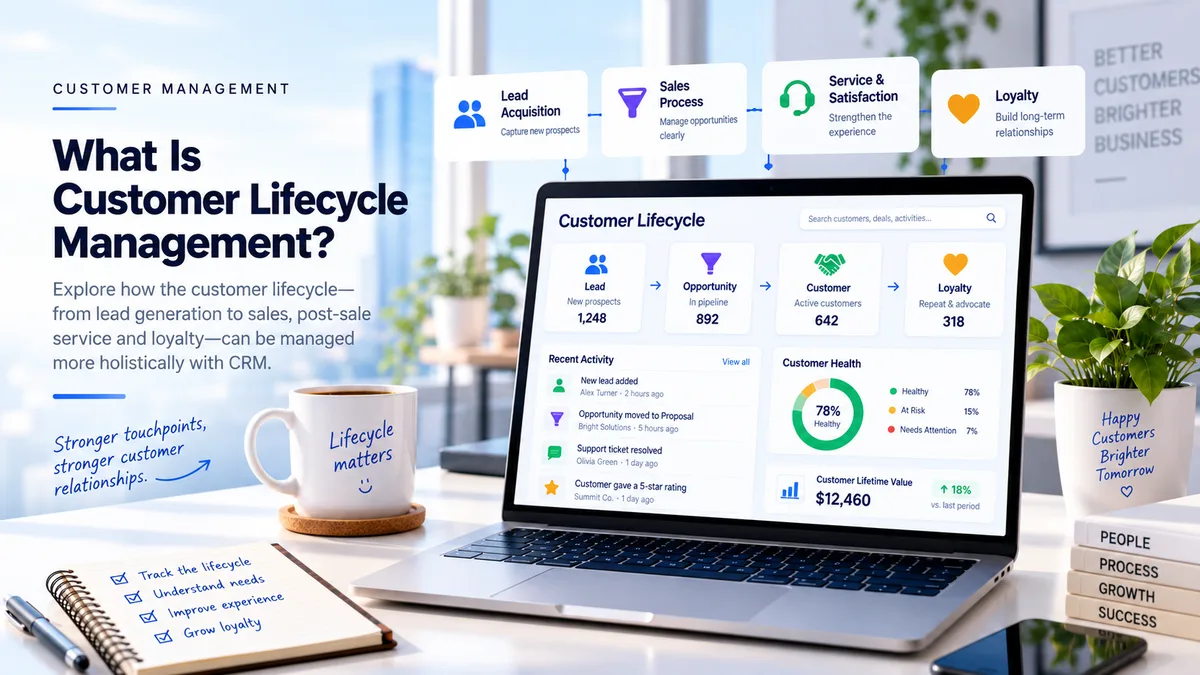
What Is Customer Lifecycle Management?
Discover how CRM can help manage the customer lifecycle more holistically, from the first opportunity and sale to post-sale service and long-term loyalty.
Read More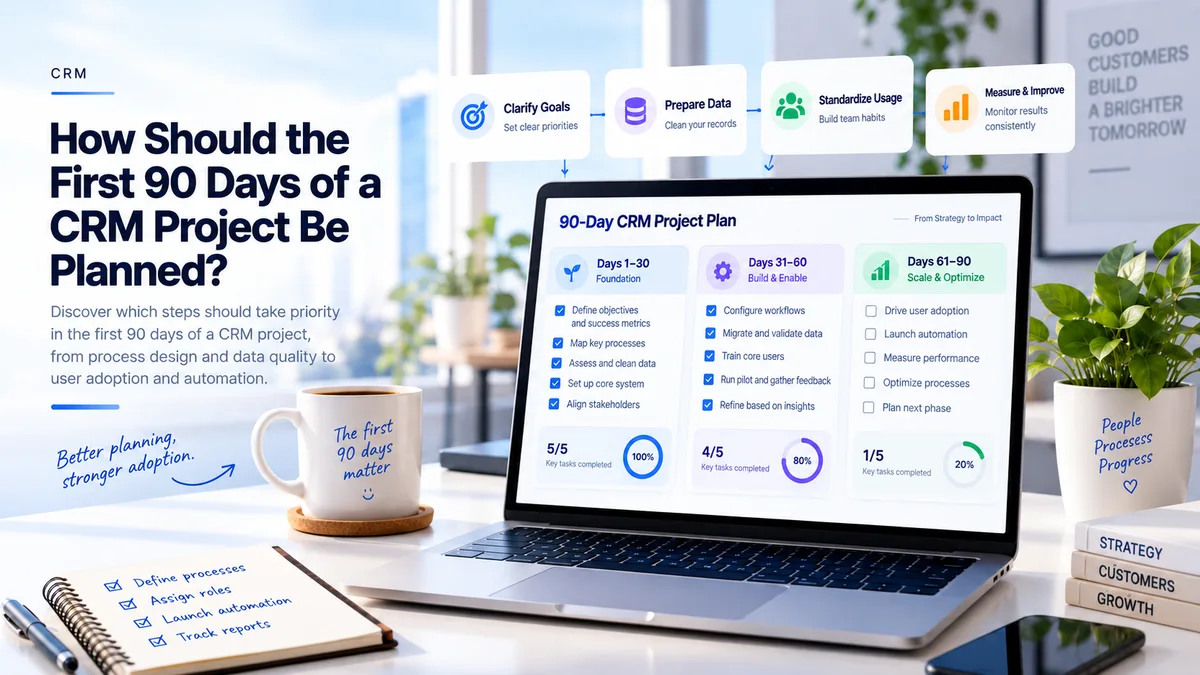
How Should You Plan the First 90 Days of a CRM Project?
Explore what to prioritize during the first 90 days of a CRM project, from process design and data quality to user adoption and automation.
Read More