What Is Analytical CRM? From Data to Business Insights
Learn what analytical CRM means, how customer and sales data can be analyzed and how this approach supports better business decisions.
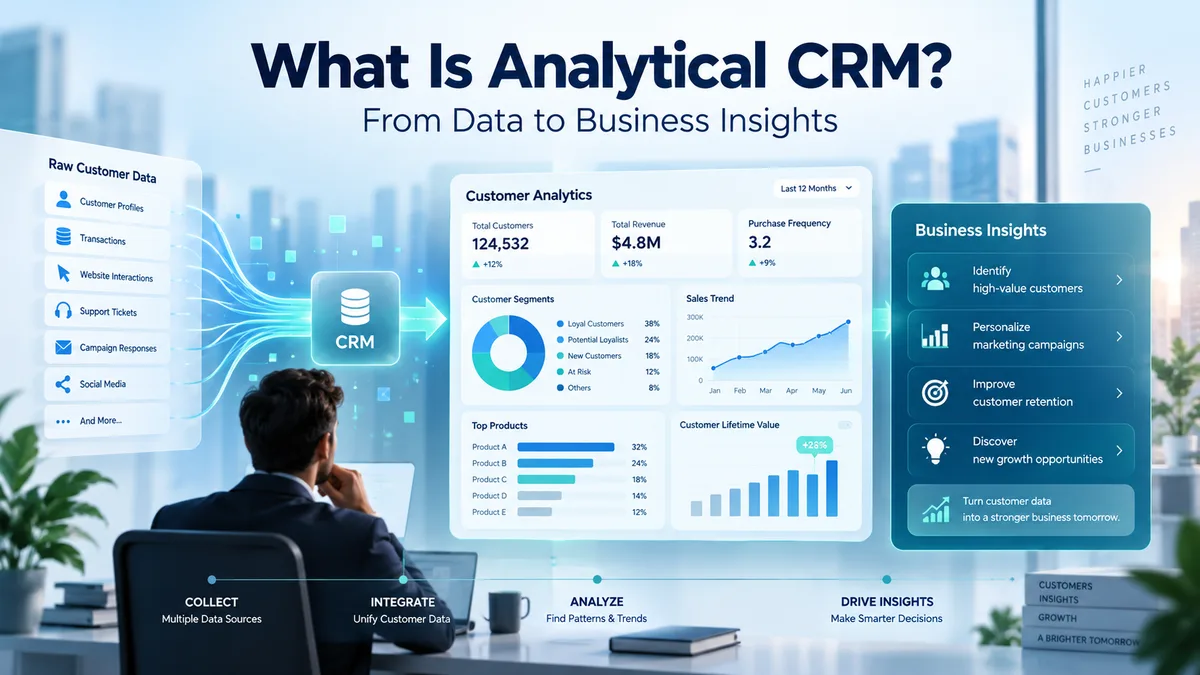
Analytical CRM is an approach focused on turning customer and sales data into useful business insights rather than simply storing information. Its purpose is to help businesses evaluate customer behavior, sales performance, team activity and business outcomes more effectively.
Operational CRM focuses on managing day-to-day customer and sales processes, while analytical CRM focuses on analyzing the data generated by those processes.
What Is Analytical CRM?
Analytical CRM refers to the reporting and analysis of customer, sales, activity and transaction data created within a CRM system.
This approach helps businesses look beyond what happened and examine patterns, changes and performance across their customer and sales processes.
What Does Analytical CRM Do?
The main purpose of analytical CRM is to make operational data more useful for decision-making.
Businesses may analyze areas such as:
- Customer activity
- Lead and opportunity conversion
- Sales pipeline distribution
- Sales performance
- Team activity
- Lead sources
- Proposal and sales outcomes
- Performance indicators
What Is the Difference Between Operational and Analytical CRM?
Operational CRM supports the daily management of customer and sales processes. Creating customer records, assigning tasks, opening sales opportunities and recording interactions are operational activities.
Analytical CRM focuses on evaluating the data created by those activities.
For example, creating a sales opportunity is an operational action. Analyzing how many opportunities were won, where opportunities were lost or how long the sales cycle takes is analytical.
What Data Does Analytical CRM Use?
Reliable analysis depends on accurate and up-to-date CRM data.
Data sources may include:
- Customer records
- Lead records
- Sales opportunities
- Pipeline stages
- Proposals
- Activities and tasks
- Interaction history
- Sales outcomes
Learn more about the importance of data quality in our Why Data Quality Matters in CRM article.
What Questions Can Analytical CRM Help Answer?
Analytical CRM can support the evaluation of many business questions.
- Which lead sources generate more opportunities?
- At which sales stages are opportunities most often lost?
- How does sales volume change over time?
- Which representatives have the most active pipelines?
- How do sales activities relate to outcomes?
- Which customer groups generate more activity?
The available answers depend on the CRM structure and the quality of the data being recorded.
Is CRM Reporting Part of Analytical CRM?
Yes. Reporting is one of the core components of analytical CRM. However, analytical CRM is broader than simply viewing reports.
Reports become more useful when businesses select meaningful metrics, maintain accurate data and interpret results in the context of business goals.
How Can Sales Teams Use Analytical CRM?
Sales teams can use CRM data to monitor active opportunities, pipeline distribution and sales performance.
A sales manager may review:
- Opportunity distribution by pipeline stage
- Expected close dates
- Won and lost opportunities
- Sales representative activities
- Sales trends over time
Explore the Sales Pipeline solution for more information.
Analytical CRM and Customer Management
Analytical CRM is not limited to sales outcomes. Centralized customer data can also help businesses evaluate interaction history and customer activity in a more complete way.
This makes customer management and data quality important parts of an analytical CRM approach.
Learn more about Customer Management.
Why Is Data Quality Important for Analytical CRM?
Incomplete, duplicated or outdated data can reduce the reliability of reports and analysis.
For example, if expected close dates are not updated consistently, forecasting and period-based reports may not reflect the current sales situation accurately.
Defining clear data-entry standards is therefore an important part of CRM reporting and analytics.
Are Analytical CRM and CRM Automation the Same?
No. Analytical CRM focuses on evaluating and interpreting data, while CRM automation focuses on executing certain business processes automatically.
The two approaches can complement each other. Analysis may identify areas where a process needs improvement, while automation can help make parts of that process more systematic.
Learn more on the CRM Automation page.
Who Benefits from Analytical CRM?
Analytical CRM is particularly useful for organizations that generate regular customer and sales data.
Sales managers, customer management teams and business leaders can use CRM reporting and analysis to better understand performance and support decision-making.
How Should Analytical CRM Be Evaluated When Choosing CRM Software?
When comparing CRM software, businesses should consider not only how data is recorded but also how that data can be reported and analyzed.
Depending on business requirements, areas to evaluate may include:
- Standard reports
- Filtering options
- Customer and sales metrics
- Pipeline visibility
- Data export capabilities
- Reporting aligned with business workflows
Review our How to Choose a CRM guide for broader selection criteria.
Turning CRM Data into More Useful Information
The value of analytical CRM does not come from collecting more data alone, but from interpreting the right data in the context of real business needs.
To understand the broader CRM structure, read What Are CRM Modules? or explore the CRM Modules page.
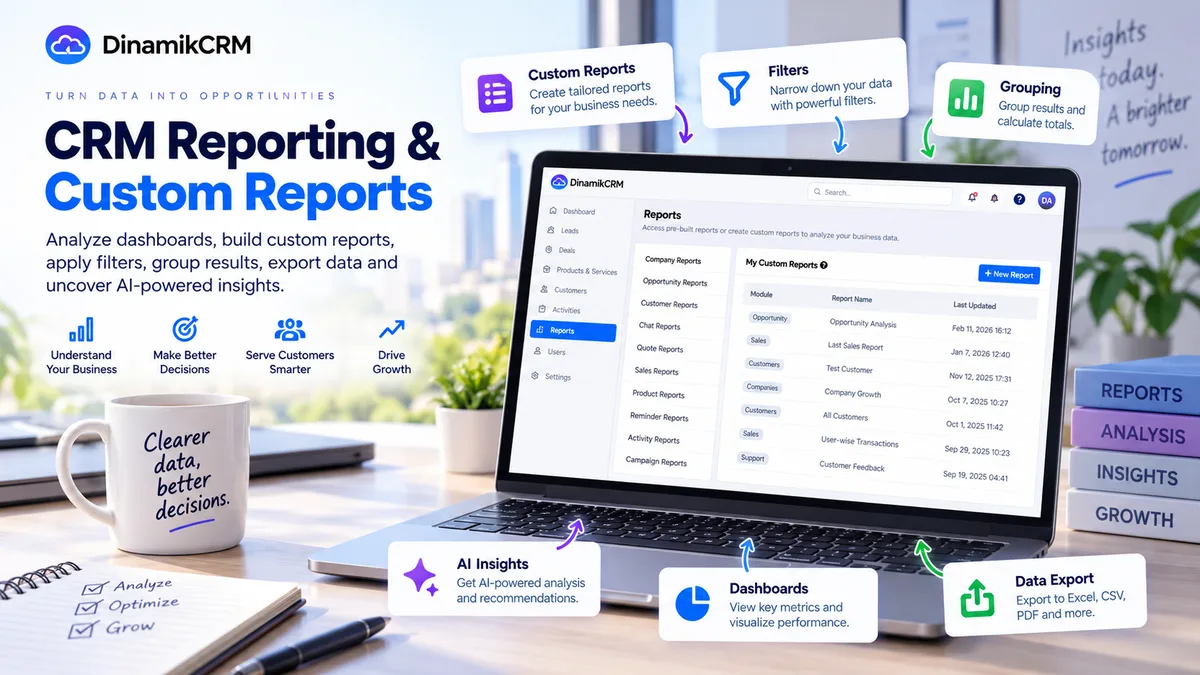
What Is CRM Reporting? How to Analyze CRM Data
Learn what CRM reporting is, how to create custom reports, and how filtering, grouping, calculations, charts and AI-assisted analysis can help businesses understand CRM data.
Read More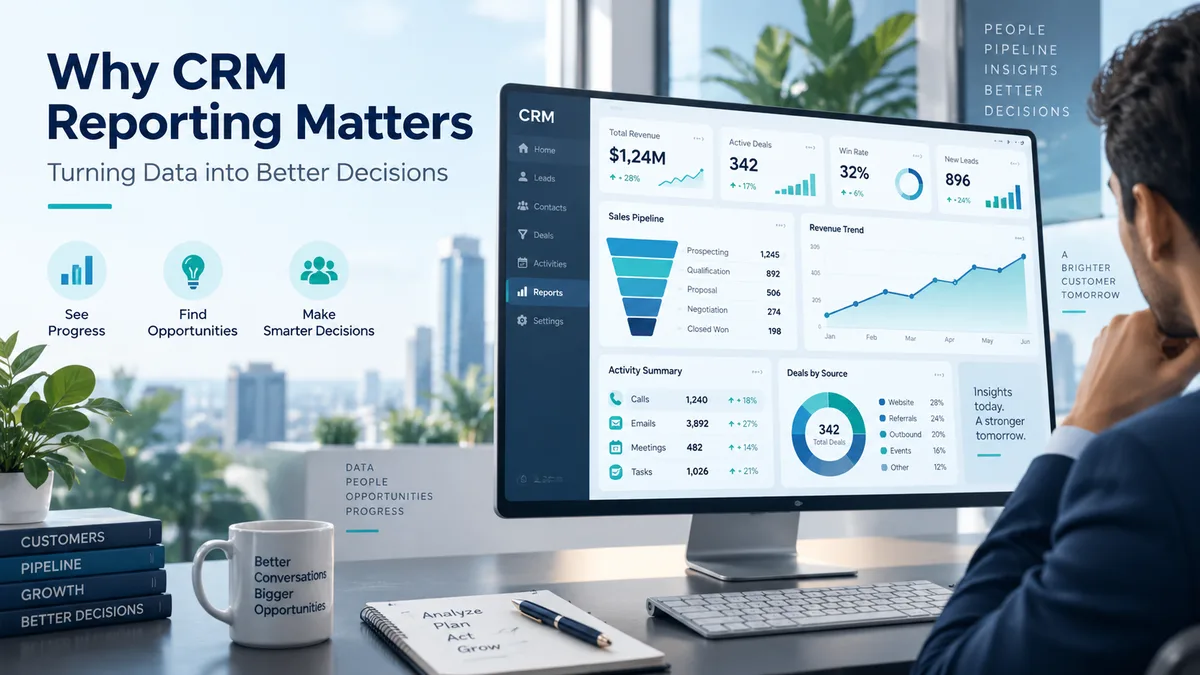
Why CRM Reporting Matters: Turning Data into Better Decisions
Learn how CRM reporting can help businesses understand customer, sales, pipeline, activity and team performance data.
Read More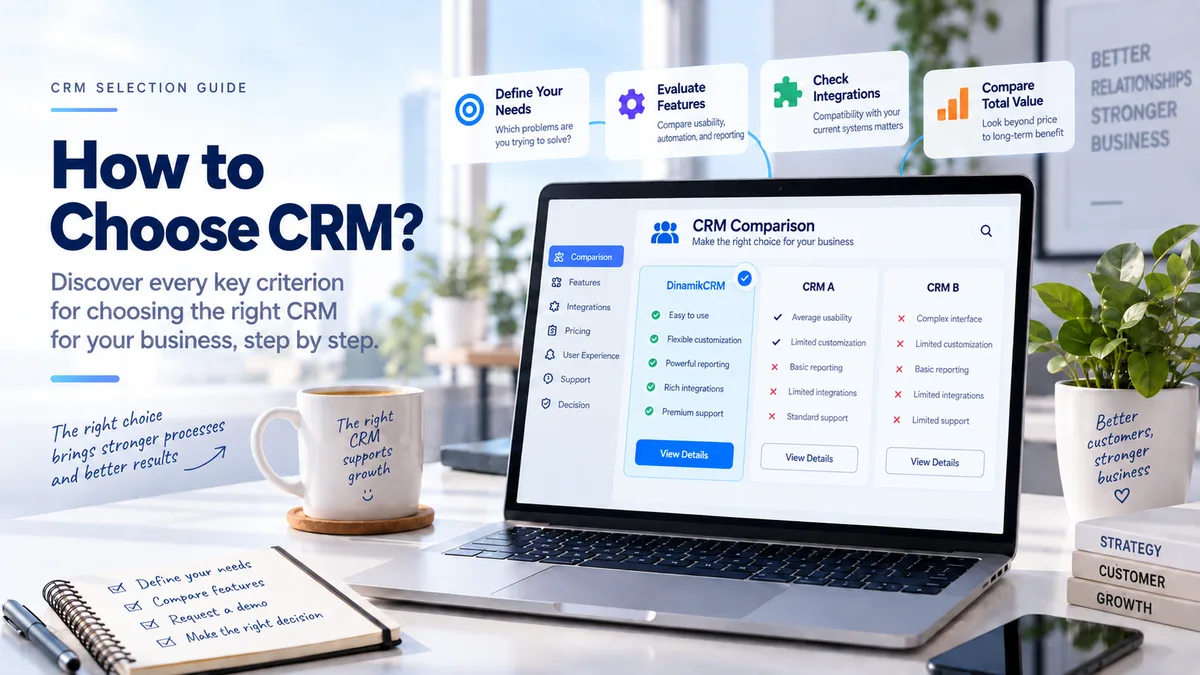
What Should You Consider When Choosing a CRM?
Explore the key criteria to consider when choosing a CRM, from ease of use and integrations to automation and reporting.
Read More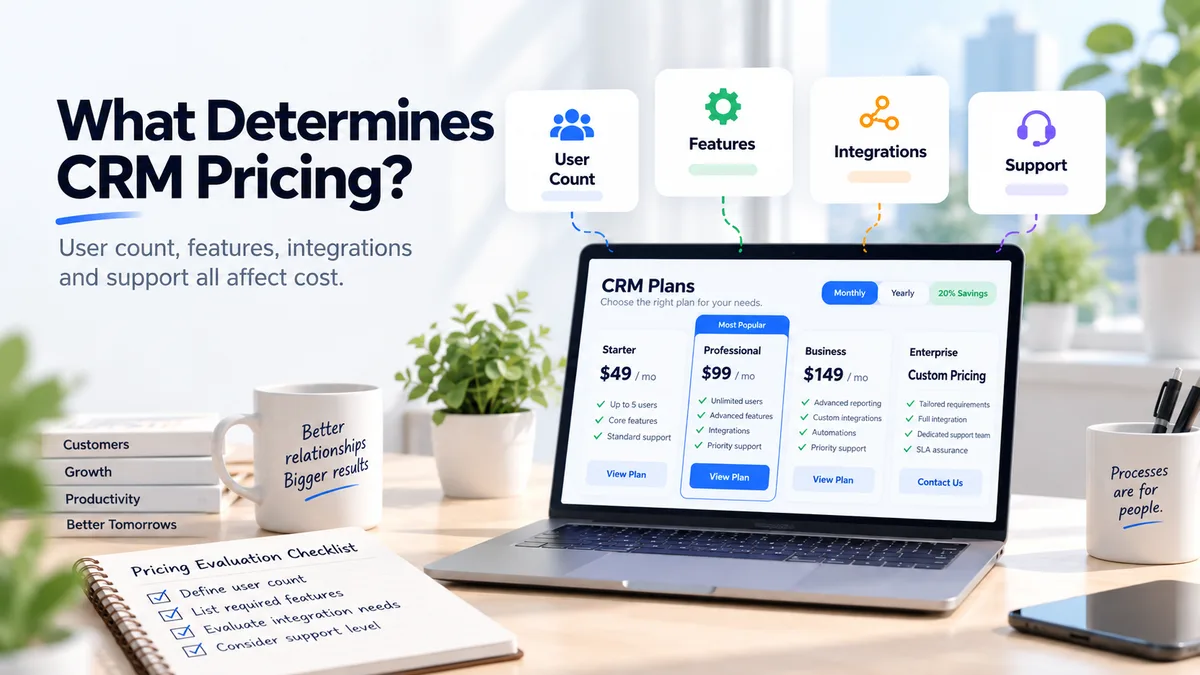
What Determines CRM Pricing?
Explore the key factors that influence CRM pricing, including users, features, integrations, automation, implementation and support.
Read More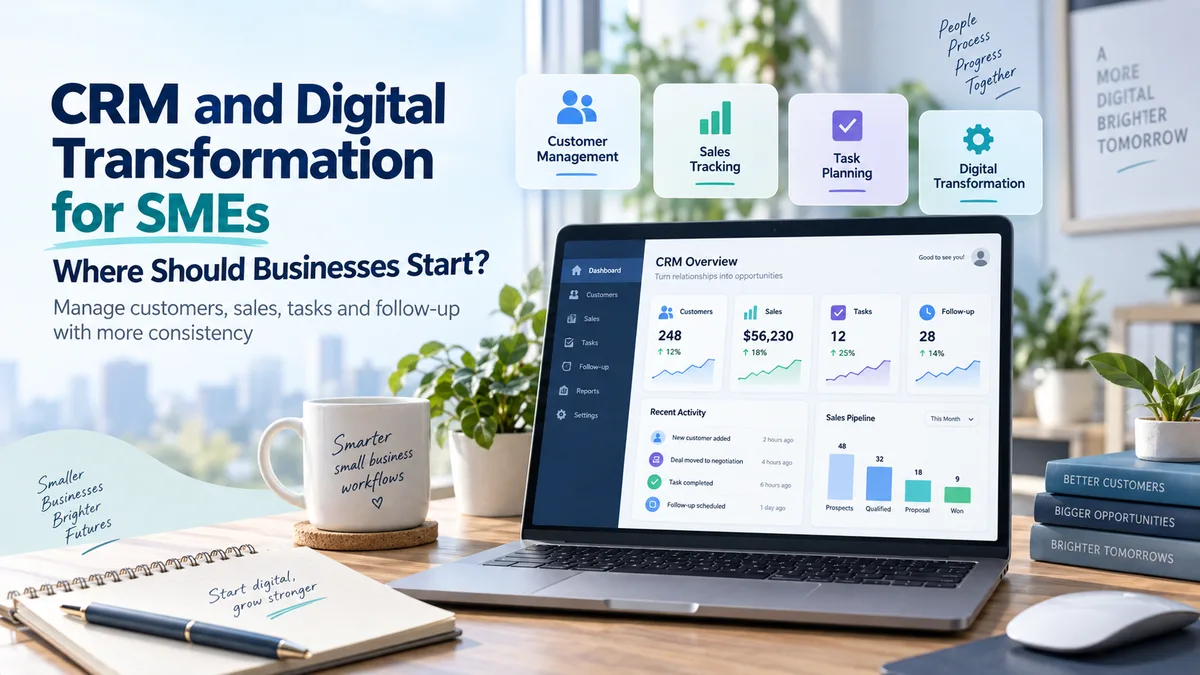
CRM and Digital Transformation for SMEs: Where Should Businesses Start?
Learn how SMEs can use CRM to manage customers, sales, tasks and follow-up more consistently and how CRM can support digital transformation.
Read More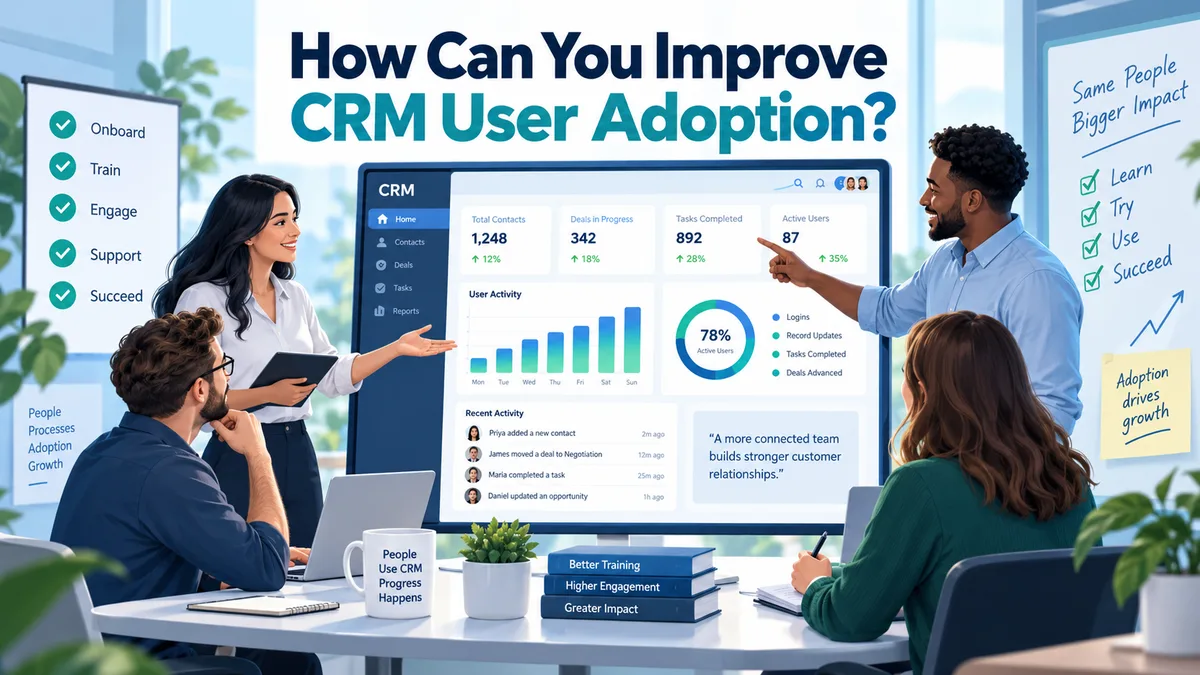
How Can You Improve CRM User Adoption?
Explore the key steps that can help teams adopt CRM more consistently, improve data quality and make CRM part of everyday customer and sales workflows.
Read More