How Is AI Used in Collection Management?
Explore how AI can support file prioritization, risk analysis, payment promise evaluation and operational decision-making in receivables and collection processes.
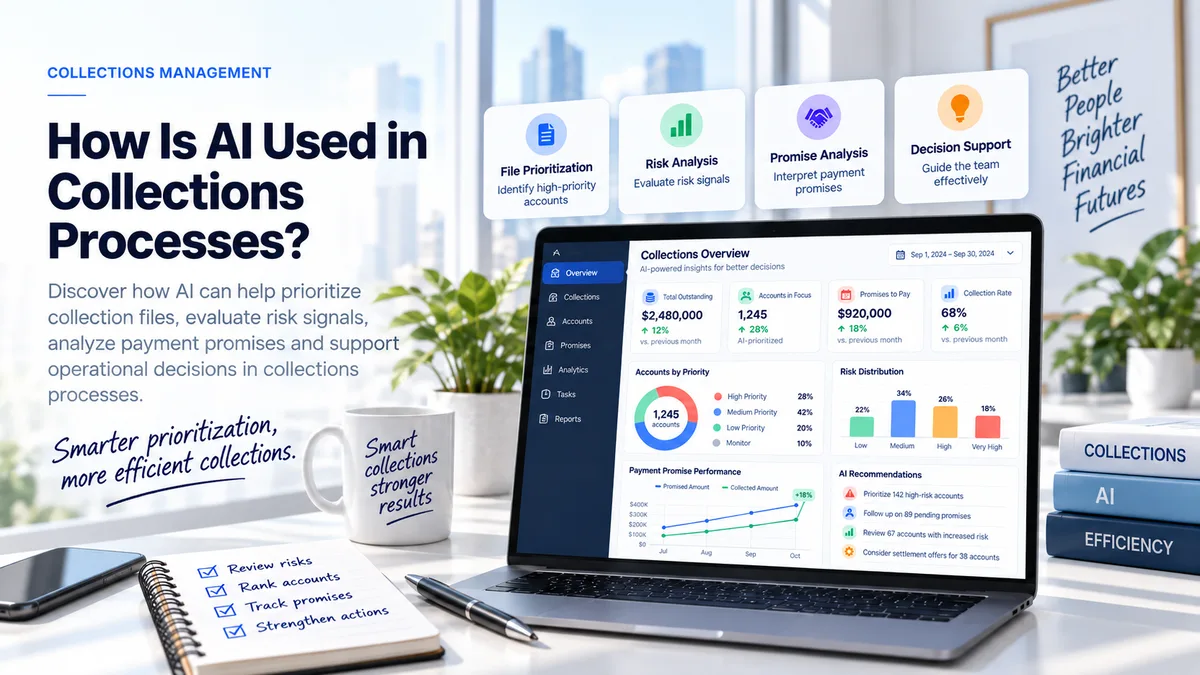
Collection operations involve large volumes of data and many daily actions, which makes them a strong use case for artificial intelligence. AI should not replace the collection team, but it can support prioritization, analysis and faster evaluation of operational signals.
What can AI contribute to collection operations?
In a traditional collection process, teams may review open files manually, decide priorities based largely on personal experience and evaluate performance using historical reports.
AI-supported analysis can help surface patterns and signals in operational data more quickly.
Support file prioritization
Treating every collection file with the same priority is rarely efficient. File history, outstanding balance, delay status, previous actions and payment promises can provide useful context for deciding what should be handled first.
AI can add an analytical layer that helps teams identify files requiring greater attention.
Surface risk signals faster
Files with no recent activity, repeated unsuccessful contacts or broken payment promises may represent important operational signals.
Analyzing these patterns automatically can help managers identify risky or inactive files more quickly.
Make payment promise analysis easier
The percentage of payment promises that are actually fulfilled is an important collection metric. AI-supported analysis can make it easier to evaluate commitment patterns and identify areas that require closer attention.
Provide operational insight into team performance
AI can also be applied at the overall operation level rather than only to individual debtors or files. Call volume, follow-up frequency, file activity and results can be evaluated together to provide additional insight into how teams work.
Become more useful when combined with automation
Analysis alone is not enough. Operational signals need to lead to action. When AI-supported evaluation is combined with automation rules, processes such as moving files into work queues or creating follow-up tasks can become more systematic.
Why human oversight remains important
Collection operations involve customer relationships, financial circumstances and different commercial contexts. AI output should therefore support human judgment rather than replace it.
A practical approach is to use AI as a decision-support tool while keeping human control over critical decisions and customer communication.
Data quality affects AI performance
Useful AI-supported analysis depends on structured and current operational data. If file status, activities, payment promises and outcomes are not recorded accurately, analytical results can also become less reliable.
AI-supported collection analysis with CollectVIA
CollectVIA is a separate application within the Dinamik360 ecosystem focused on receivables and collection operations. Its AI-supported analysis capabilities help teams evaluate priorities, risks and operational signals in collection data more quickly.
CollectVIA also brings portfolio and file management, smart work queues, payment promises, payment plans and collection automation together in a centralized structure.
Learn more on the CollectVIA solution page.
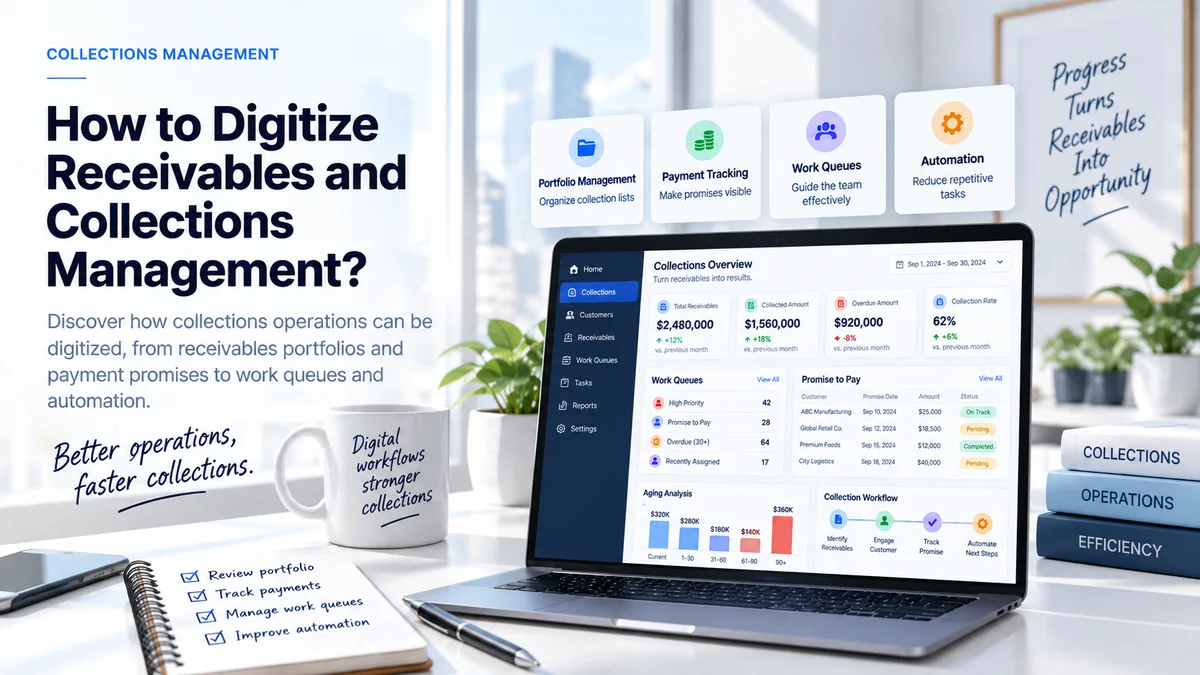
How Can Receivables and Collection Management Be Digitalized?
Explore how digital tools can transform collection operations, from receivables portfolios and payment promises to work queues and automation.
Read More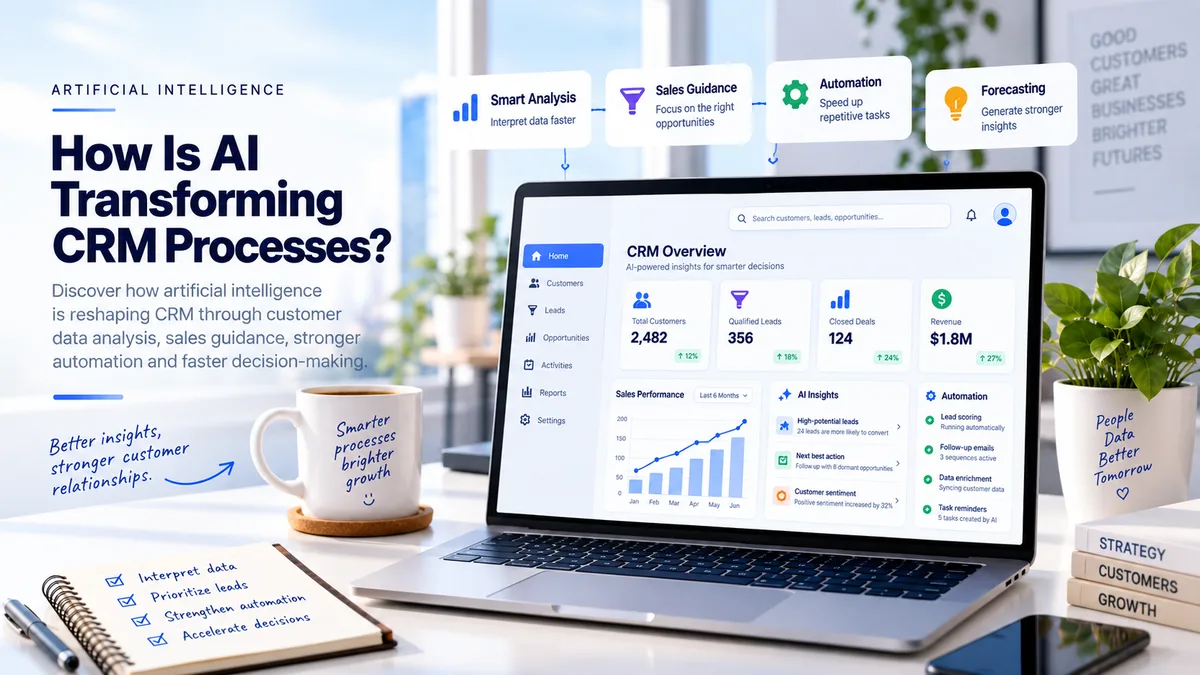
How Is AI Changing CRM?
Explore how AI is transforming CRM by interpreting customer data, guiding sales teams, strengthening automation and helping businesses make faster decisions.
Read More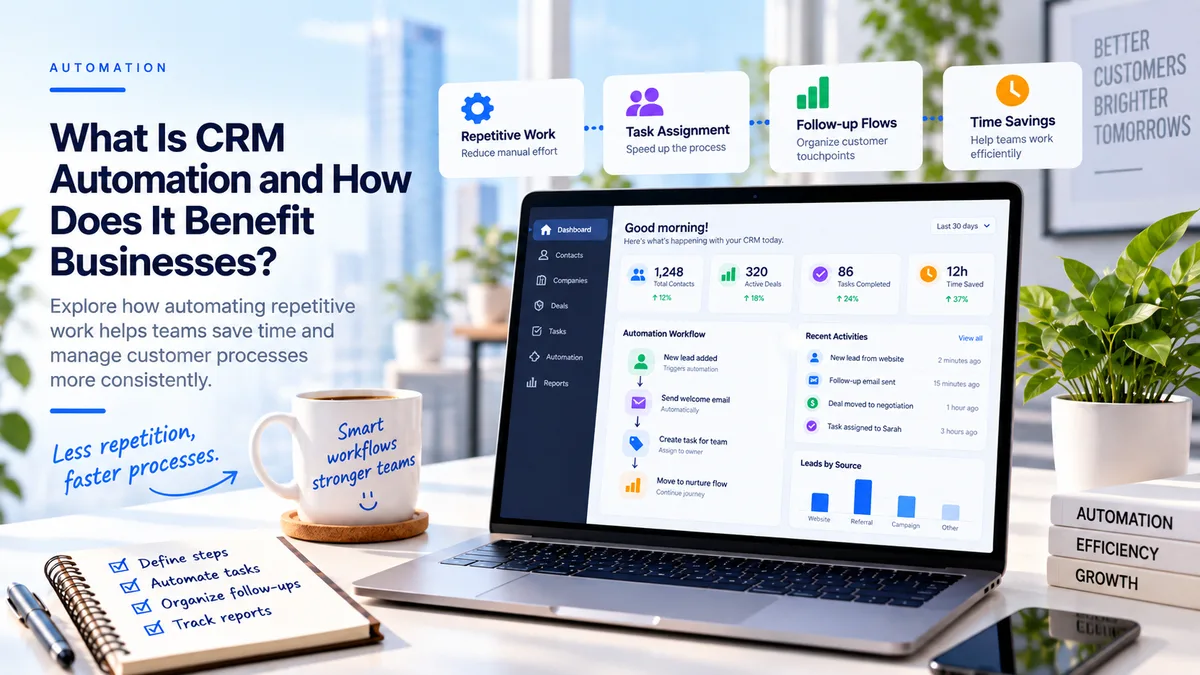
What Is CRM Automation and How Does It Help Businesses?
Learn how automating repetitive work can save time, improve consistency and help teams manage customer processes more efficiently.
Read More
Customer Loyalty and New Customer Acquisition: How to Balance Both
Learn how businesses can balance new customer acquisition with retention and how CRM can support both sides of the customer lifecycle.
Read More
Why the Human Touch Matters in Digital Customer Experience
Discover why human interaction, trust and personalized communication remain important in customer experience in the age of digitalization and AI.
Read More
How Digital Marketing and CRM Work Together
Learn how CRM helps businesses manage leads generated through digital marketing and strengthen segmentation, follow-up and sales processes.
Read More