B2B Proposal Management: How to Manage the Process from Proposal to Sale
Learn how CRM can help B2B sales teams manage proposals, opportunities, follow-up activities and proposal outcomes more consistently.
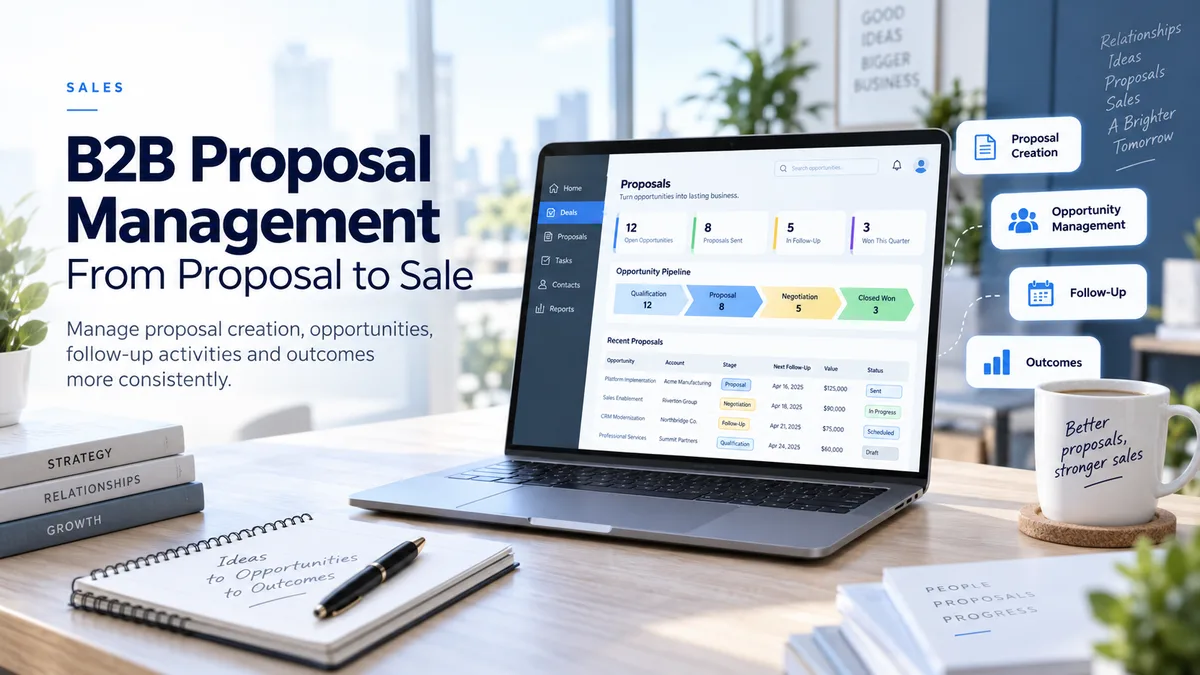
Preparing a proposal is an important part of B2B sales, but sending the proposal is not the end of the process.
Sales teams also need to track which opportunity the proposal belongs to, who owns the follow-up, what the customer has said and what should happen next.
CRM can help connect proposals with customers, opportunities, activities and the sales pipeline.
What Is B2B Proposal Management?
B2B proposal management is the structured process of preparing, sending, tracking, revising and closing commercial proposals.
The objective is not simply to create a proposal document, but to keep the proposal visible within the wider sales process.
Why Does Proposal Management Matter?
B2B buying decisions can involve several conversations, stakeholders, approvals and proposal revisions.
When proposals remain only in email inboxes or personal folders, teams may face problems such as:
- Uncertainty about the latest proposal version
- Missed follow-up
- Disconnected opportunity information
- Lost revision history
- Unknown reasons for lost proposals
1. Connect the Proposal to the Customer and Opportunity
A proposal should be evaluated together with the customer need and sales opportunity behind it.
This allows teams to view proposal information together with opportunity value, sales stage and interaction history.
Explore Sales Opportunity Management .
2. Clarify Customer Requirements Before Preparing the Proposal
One common sales problem is preparing pricing and scope before the customer's requirements are sufficiently understood.
Teams may need to clarify:
- Customer requirements
- Expected scope
- Products or services
- Delivery conditions
- The buying process
- Relevant decision-makers
3. Standardize Proposal Information
Proposal management becomes harder when every sales representative uses a completely different format or information structure.
Standardizing the basic information used in proposals can create a more consistent process.
Explore Proposal Preparation .
4. Make Proposal Status Visible
Knowing that a proposal has been sent is often not enough.
Depending on the sales process, statuses may include:
- Preparing
- Sent
- Under review
- Revision requested
- Approved
- Rejected
A visible quote tracking process helps sales teams understand which proposals are waiting for a response, which require follow-up and which have already reached an outcome.
Explore Quote Tracking Software to see how quotes, customer responses, follow-up dates and outcomes can be managed from one place.
5. Plan the Next Action After Sending the Proposal
Sending a proposal and waiting indefinitely for a customer response can leave opportunities open longer than necessary.
The next action should ideally be defined when the proposal is sent.
- Confirm that the proposal was received
- Follow up on a specific date
- Schedule a technical meeting
- Contact a decision-maker
- Prepare a revision
Explore Task Tracking .
6. Keep Proposal Revisions Under Control
B2B proposals may go through several revisions.
Teams should know which version was sent to the customer and retain enough history to understand earlier changes when needed.
7. Connect Proposal Management with the Sales Pipeline
The proposal stage is only one part of the wider sales pipeline.
Pipeline visibility helps teams understand how long opportunities remain at the proposal stage and which records have stopped progressing.
Explore Sales Pipeline .
8. Keep Proposal Value and Opportunity Value Consistent
When the estimated opportunity value and current proposal value become disconnected, pipeline reporting may become less reliable.
Updating opportunity information after significant proposal revisions can improve sales visibility.
9. Track the Buying Process
Sending a proposal to one contact does not necessarily mean that person makes the final decision.
Procurement, finance, technical teams and management may all be involved in a B2B buying process.
Keeping relevant contacts and interactions visible in CRM gives sales teams more context.
10. Record Why Proposals Are Lost
Lost proposals can provide useful information for improving future sales processes.
Reasons may include:
- Price
- Competitor selected
- Project postponed
- Budget unavailable
- Requirements changed
- No decision
How Can CRM Support Proposal Tracking?
CRM can help keep proposal activity connected to the wider customer and opportunity context. Instead of treating a proposal as a standalone document, teams can manage it together with the customer, sales opportunity, follow-up activity and final outcome.
Teams can work with information such as:
- Customer details
- Sales opportunity
- Estimated sales value
- Sales stage
- Interaction history
- Tasks and activities
- Expected close date
See how DinamikCRM quote tracking software can help keep sent quotes, follow-ups, revisions and outcomes visible throughout the sales process.
Where Can Automation Support Proposal Management?
Automation can support some repetitive follow-up activities.
For example, teams may use reminders or task creation at defined stages of the sales process.
Automation should support sales representatives rather than replace the customer relationship.
Explore CRM Automation .
How Can Proposal-to-Sale Conversion Be Improved?
No single factor determines whether a proposal becomes a sale.
Product fit, price, competition, customer budget, decision process and sales execution can all influence the outcome.
From a process perspective, teams can focus on:
- Understanding customer needs
- Providing clear proposal scope
- Following up on time
- Identifying decision-makers
- Managing revisions consistently
- Closing or updating stale opportunities
Which Proposal Management Metrics Can Be Tracked?
Depending on the sales model, teams may evaluate:
- Number of proposals sent
- Total value of active proposals
- Won proposals
- Won and lost proposal value
- Reasons for loss
- Time spent at proposal stage
- Results by sales representative
Read Why CRM Reporting Matters .
Proposal Management and Sales Forecasting
Current proposal and opportunity information can support more structured sales forecasting.
However, proposals that remain open without being updated can create an unrealistic pipeline view.
Read How to Improve Sales Forecasting .
Common B2B Proposal Management Mistakes
- Sending a proposal without planning follow-up
- Keeping proposals disconnected from opportunities
- Using outdated revisions
- Not recording reasons for lost proposals
- Leaving stale opportunities open
- Ignoring stakeholders in the buying process
- Treating every proposal as equally likely to close
Think Beyond the Proposal
Proposal management is an important part of B2B sales, but it should not be managed in isolation.
Lead management, opportunities, pipeline, activities, proposals and reporting work better when they are viewed as parts of the same sales process.
If your main goal is to keep sent quotes, revisions, follow-up dates and quote outcomes under control, explore DinamikCRM Quote Tracking Software .
Explore B2B Sales CRM and Sales Management for the wider sales context.
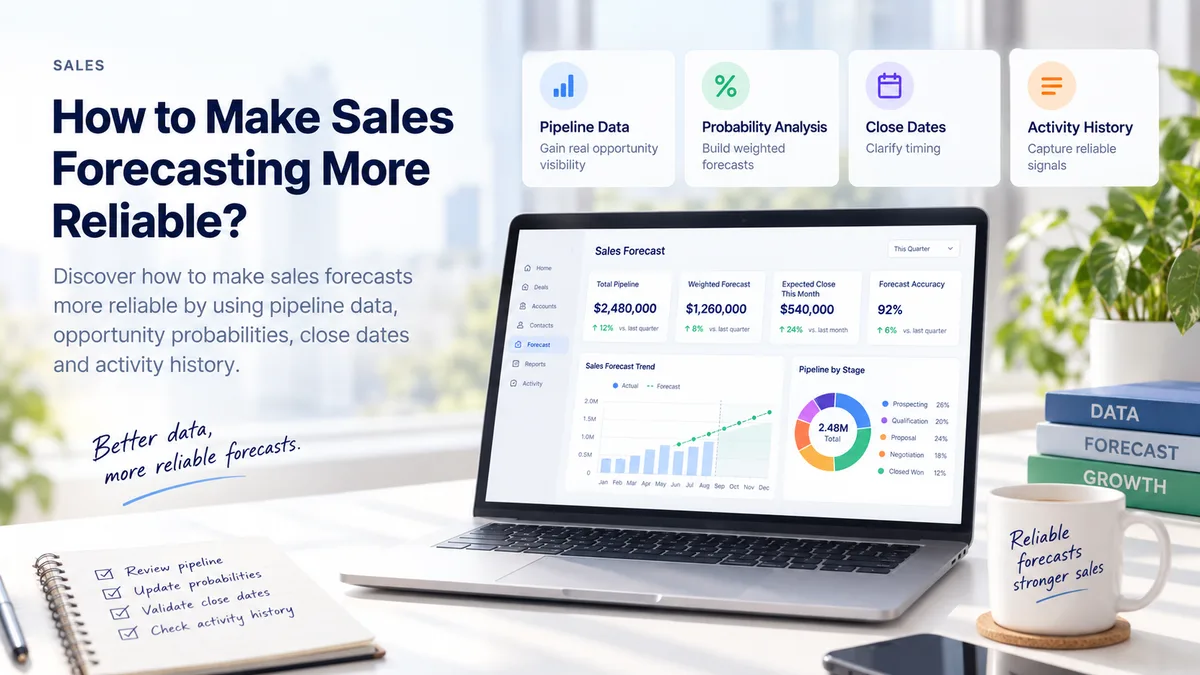
How to Make Sales Forecasting More Reliable
Discover how current pipeline data, opportunity probabilities, close dates and activity history can help improve the reliability of sales forecasts.
Read More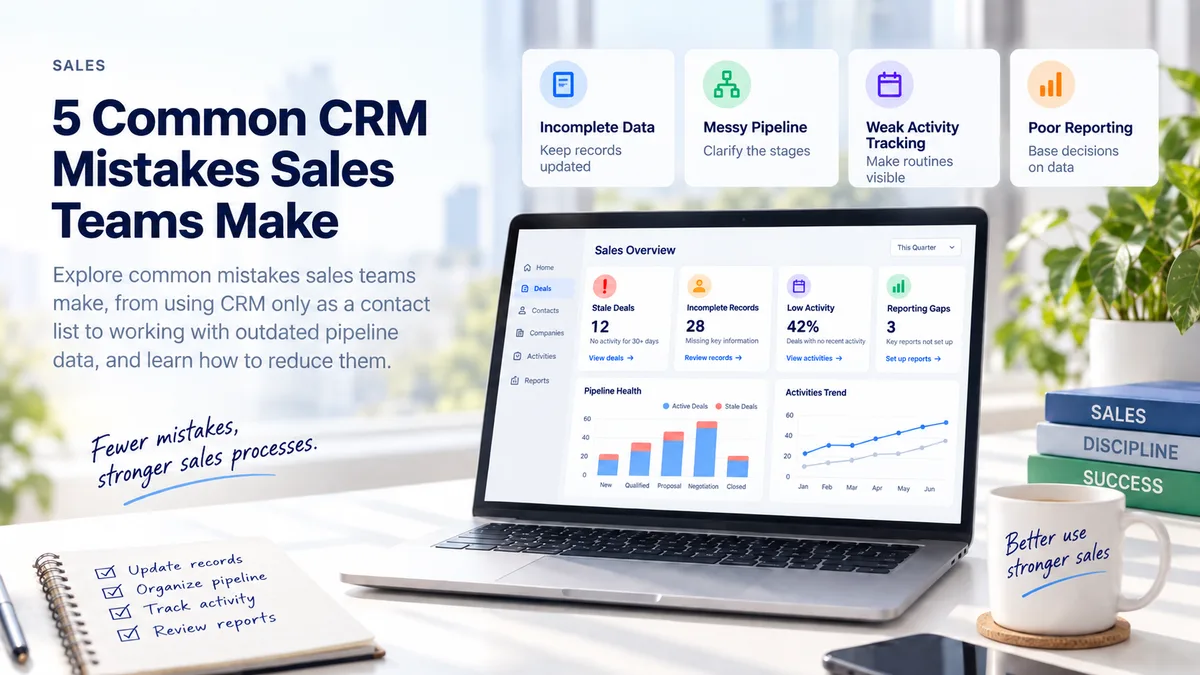
5 Common CRM Mistakes Sales Teams Make
Explore common CRM mistakes sales teams make, from using CRM only as a contact list to working with outdated pipeline data, and learn how to improve adoption.
Read More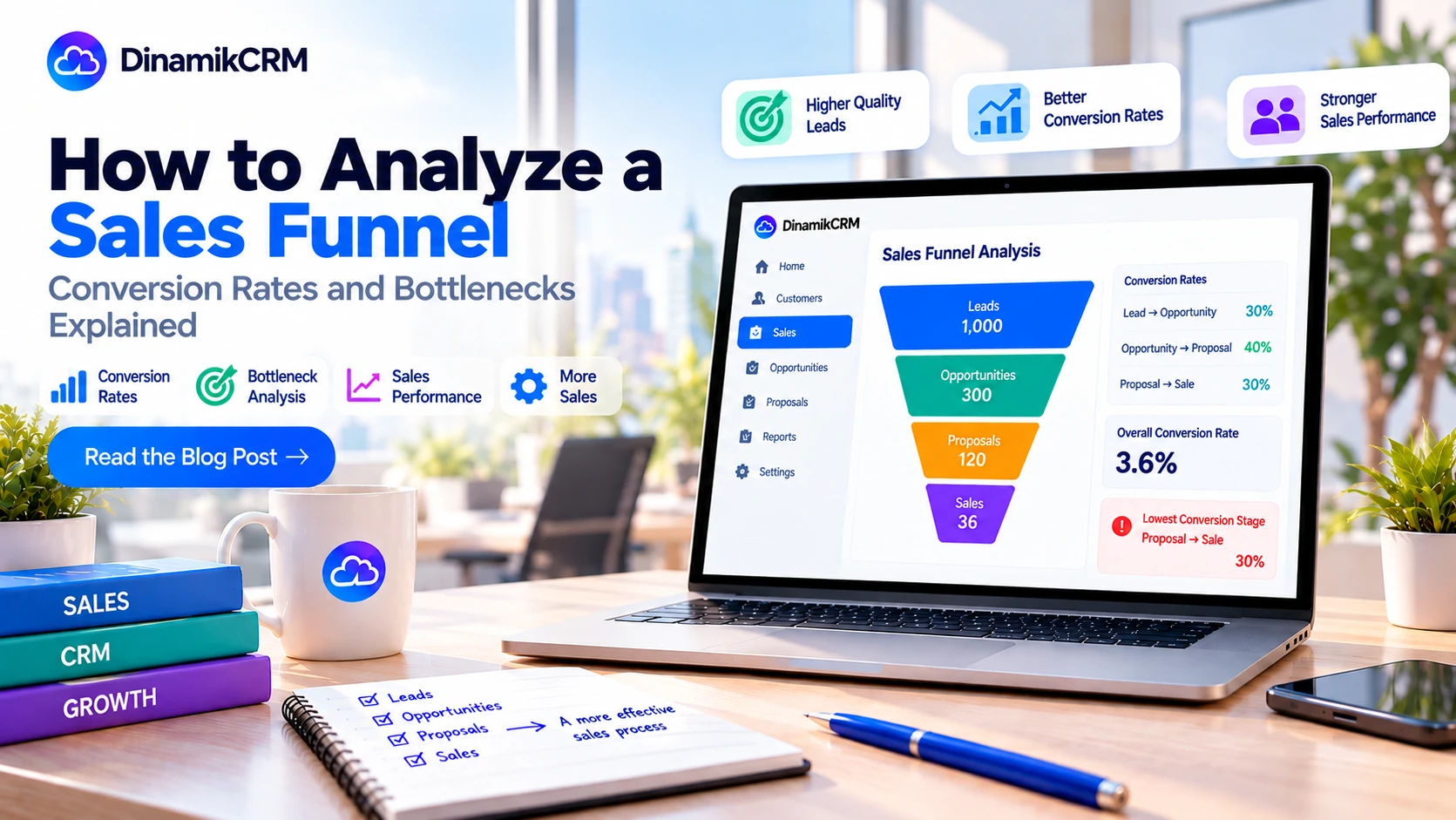
How to Analyze a Sales Funnel: Conversion Rates and Bottlenecks
Learn how to analyze your sales funnel, calculate conversion rates between leads, opportunities, proposals and sales, identify bottlenecks, and improve sales performance.
Read More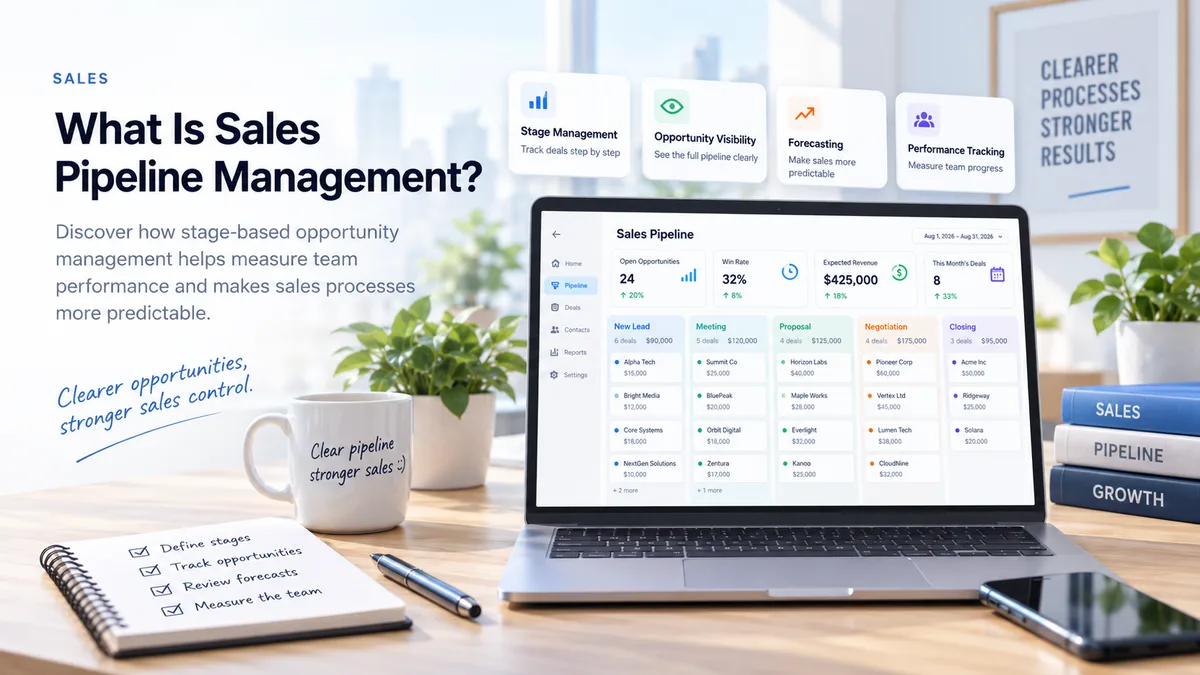
What Is Sales Pipeline Management?
Discover how managing opportunities by sales stage helps teams measure performance and build a more predictable sales process.
Read More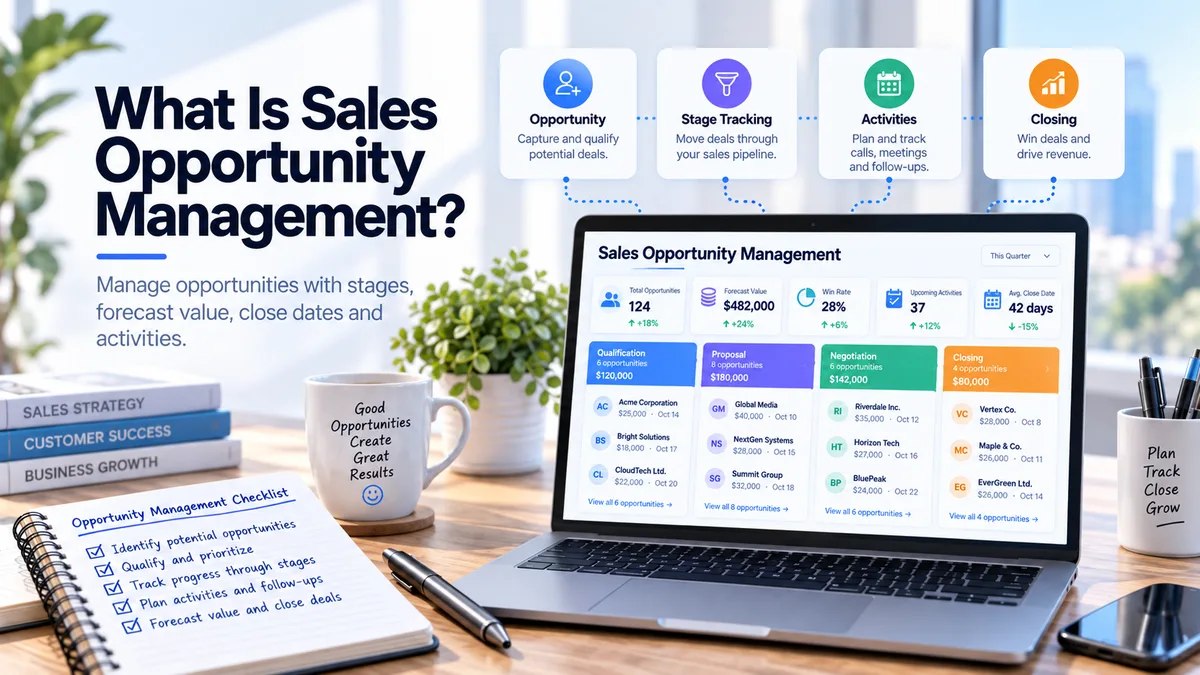
What Is Sales Opportunity Management?
Learn how sales opportunities can be managed through stages, expected values, close dates, activities and performance metrics.
Read More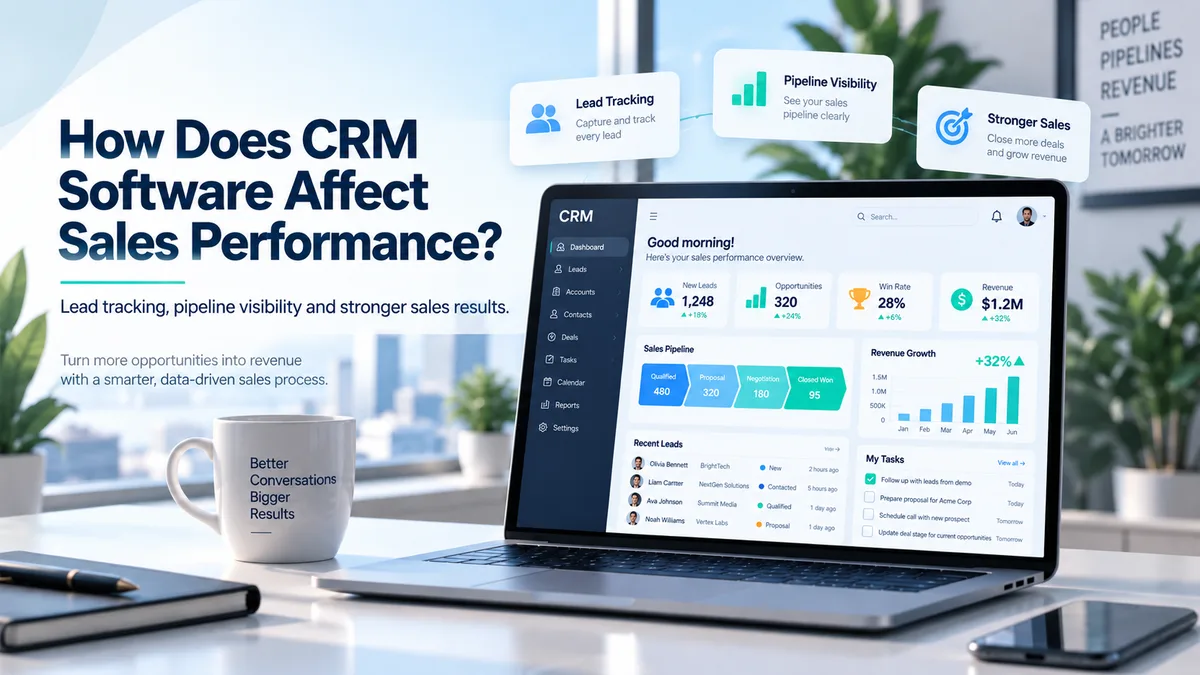
How Does CRM Software Affect Sales Performance?
Learn how CRM software can support sales processes through lead tracking, opportunity management, pipeline visibility, follow-up tasks and reporting.
Read More