How to Find Potential Customers: 8 Practical Methods
Explore practical ways to find potential customers through digital channels, referrals, events, direct outreach and structured lead management.
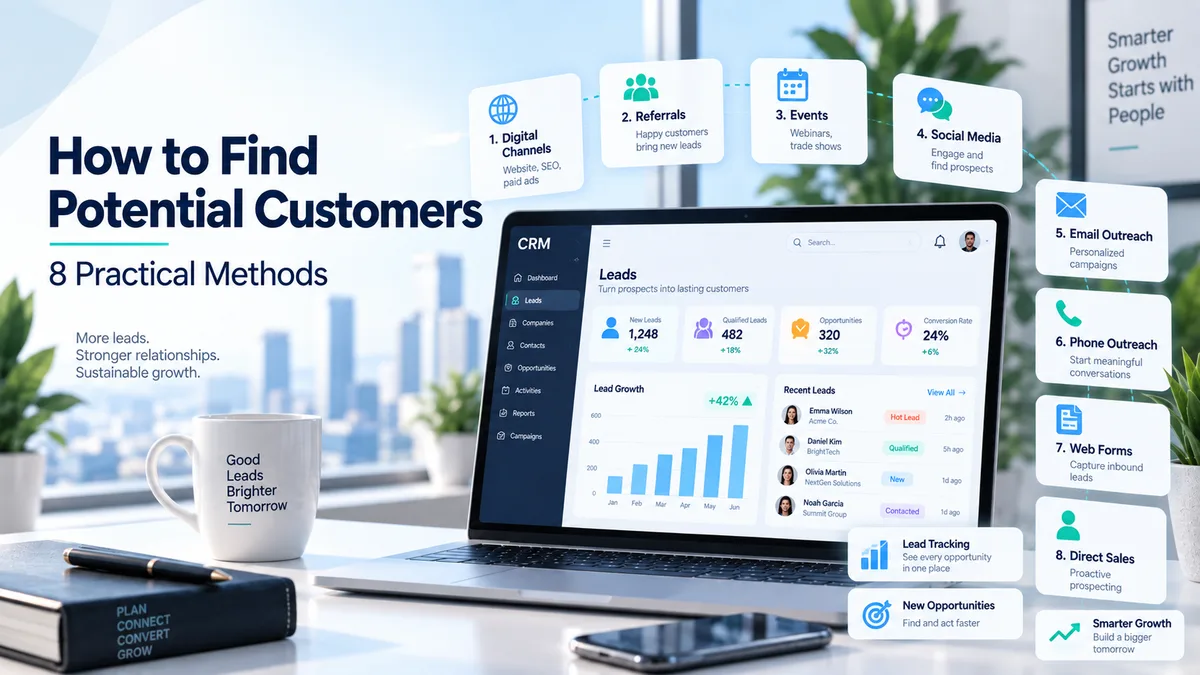
Finding potential customers is one of the starting points of the sales process. The objective is not simply to collect as many contacts as possible, but to reach people and companies that are realistically likely to need the product or service being offered.
Potential customers can come from digital channels, referrals, events, direct sales outreach and existing customer networks. The important part is managing these sources consistently and following leads through a structured sales process.
What Is a Potential Customer?
A potential customer is a person or company that may have a need for the product or service a business provides and could become a customer in the future.
Read What Is a Potential Customer? for a more detailed explanation.
Start by Defining Your Target Customer
Effective customer acquisition begins with understanding which customers are most relevant to the business.
Questions to consider include:
- Which industries do we sell to?
- What is our ideal customer size?
- Which problems do we solve?
- Who are the decision-makers?
- Which channels generate customers today?
- Which customer profiles convert most successfully?
1. Capture Website Inquiries
A website is an important source of potential customers.
Contact, demo, quotation and information requests should be captured and followed consistently.
Information such as the page the visitor came from, product of interest and inquiry date can provide additional context for sales teams.
2. Use Referrals
Existing customers, business partners and professional networks can generate relevant potential customers.
Referral leads should still be recorded and followed like other leads so businesses can understand which referral sources produce opportunities.
3. Generate Leads from Events and Trade Shows
Industry events, conferences and trade shows can provide direct access to relevant audiences.
Instead of collecting contact information alone, teams should also record needs, discussion notes and planned follow-up actions.
4. Use Digital Marketing Channels
Search engines, content marketing, social media and digital advertising can help businesses reach potential customers.
The goal should be to connect relevant audiences with useful content and offers rather than focusing only on traffic volume.
5. Create Useful Content
Potential customers often research their problems before making a buying decision.
Blog posts, guides, educational content and frequently asked questions can help a business become visible during this research process.
6. Use Direct Sales Outreach
B2B sales teams can identify target companies and contact them directly.
A focused list based on an ideal customer profile is generally more useful than broad, unrelated contact lists.
CRM can also be used to record contact results, owners and next actions.
7. Learn from Existing Customers
Existing customer data can provide useful information about which types of organizations are most likely to benefit from a product or service.
Industry, company profile and successful use cases can help define future targeting criteria.
Read 7 Benefits of Centralizing Customer Data for more information.
8. Track Lead Sources in CRM
Finding potential customers does not end when a lead is created. Businesses also need to understand which sources eventually generate qualified opportunities and sales.
CRM can be used to track lead source, owner, communication history and next actions.
Is Every Potential Customer a Sales Opportunity?
No. Not every lead represents a realistic sales opportunity.
Need, fit, timing and buying process should be evaluated before deciding whether a lead should move forward.
Read What Is Lead Management and How Does It Work? for a deeper look at lead qualification and follow-up.
How Does Lead Management Support Customer Acquisition?
Managing leads from different sources within one system helps teams reduce missed follow-ups and organize the sales process.
Leads can be:
- Classified by source
- Assigned to sales representatives
- Tracked with communication history
- Scheduled for future follow-up
- Converted into opportunities when qualified
Explore the Lead Management solution.
Common Mistakes When Finding Potential Customers
- Building broad lists without a target customer profile
- Treating every lead with the same priority
- Failing to record lead source
- Not following up after the first contact
- Creating duplicate lead records
- Not analyzing why leads fail to progress
Moving from Lead to Sales Opportunity
When a potential customer's need becomes clearer and there is a realistic chance of a sale, the lead can be converted into a sales opportunity.
Opportunity value, sales stage, expected close date and planned activities then become more important.
Learn more about Sales Opportunity Management.
Measure Your Customer Acquisition Process
Businesses should evaluate not only how many leads each channel generates, but also how those leads progress through the sales process.
Useful metrics may include:
- Number of leads by source
- Lead-to-opportunity conversion rate
- Opportunity-to-sale conversion rate
- Won sales by source
- Time from first contact to sale
Learn more in Why CRM Reporting Matters .
Build a Consistent Potential Customer Process
Finding potential customers should not be treated as a one-time sales activity. Combining websites, referrals, events, content, digital marketing and direct outreach can create a more consistent flow of leads.
Explore Sales Management and Sales Pipeline for the broader sales process.
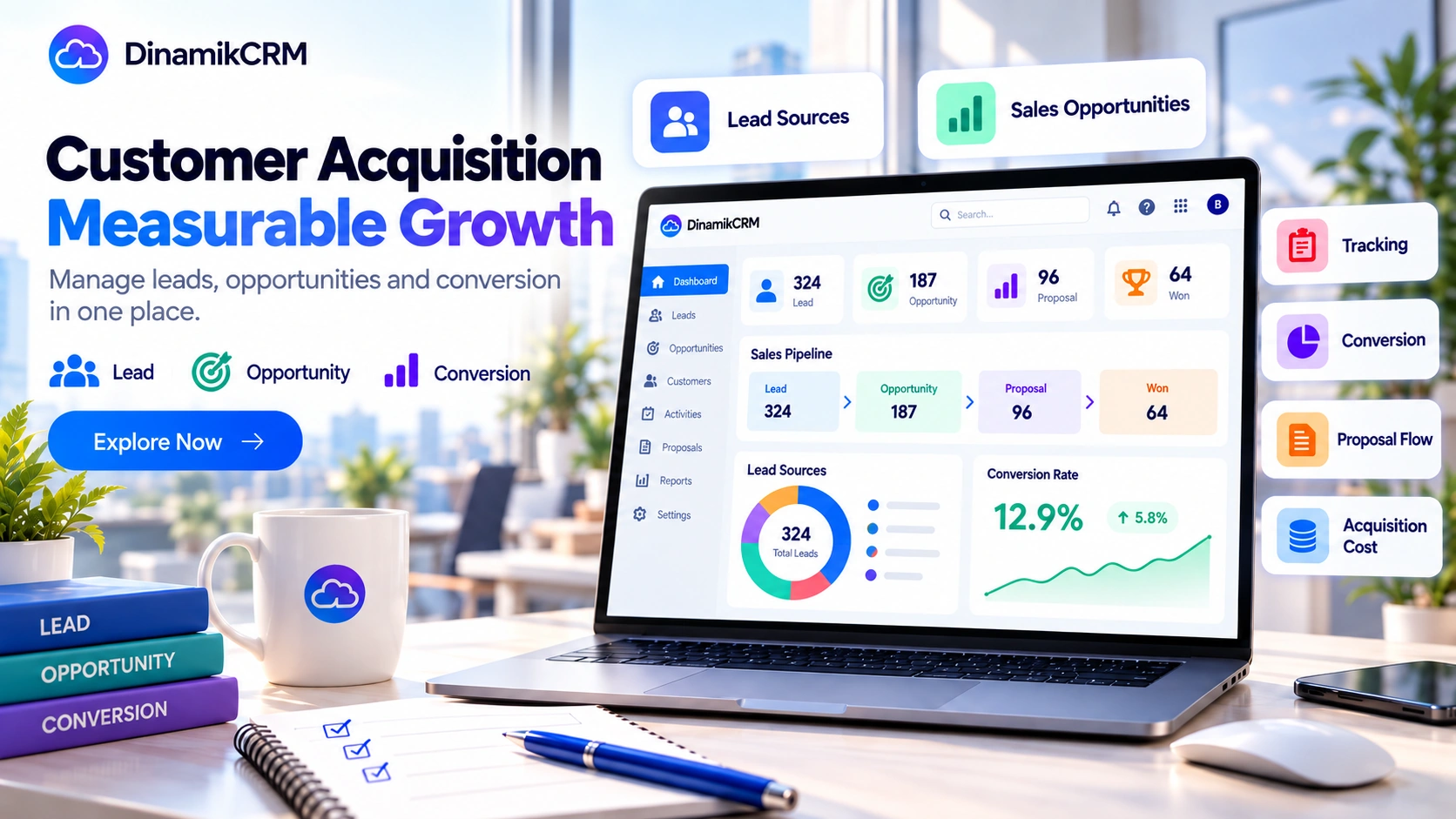
How to Manage Customer Acquisition with CRM
Learn how to build a measurable customer acquisition process, from defining your target market and managing leads to opportunities, sales conversion and customer acquisition cost.
Read More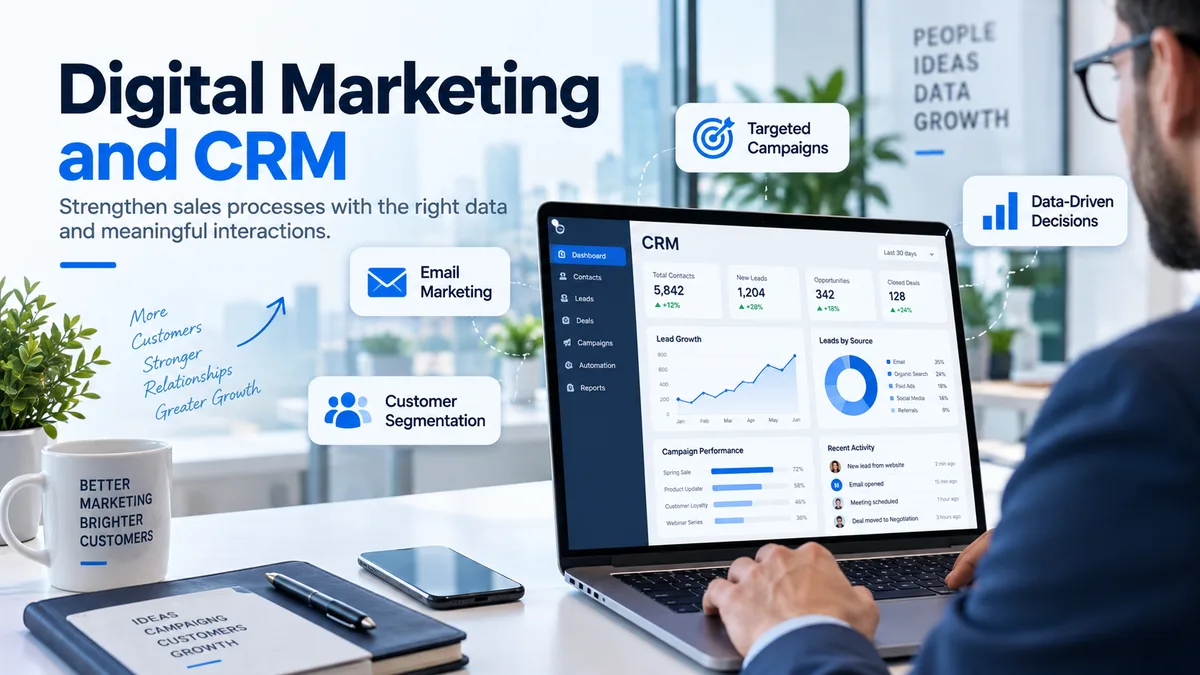
How Digital Marketing and CRM Work Together
Learn how CRM helps businesses manage leads generated through digital marketing and strengthen segmentation, follow-up and sales processes.
Read More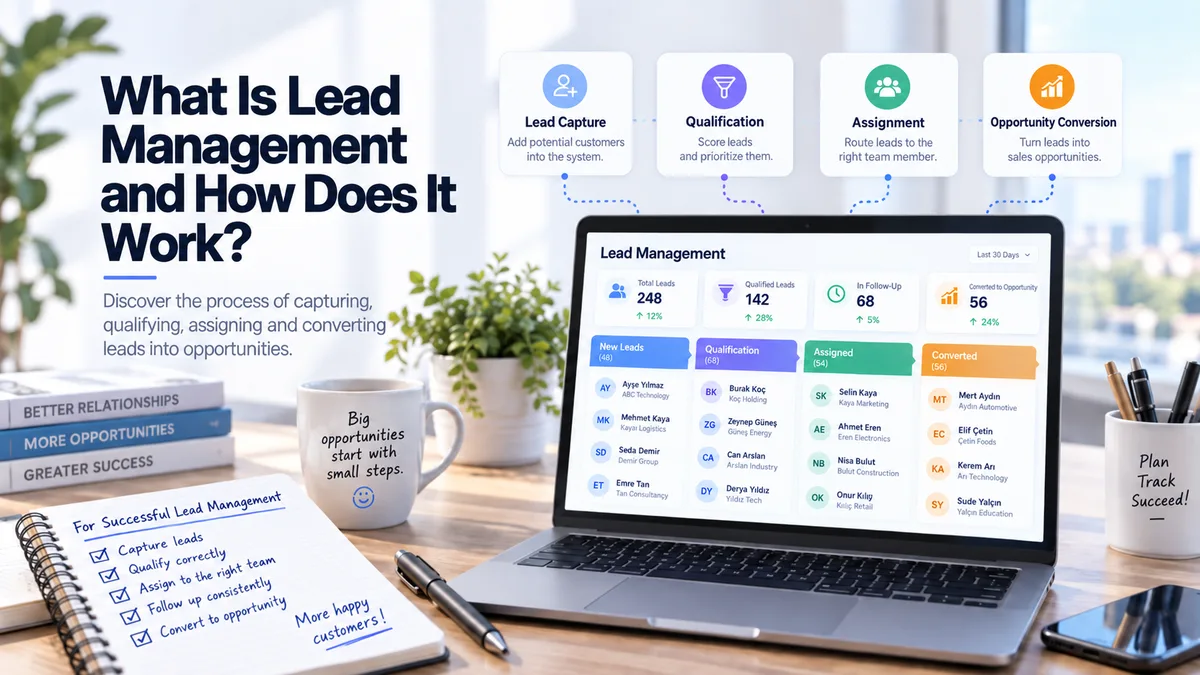
What Is Lead Management and How Does It Work?
Learn how businesses capture, evaluate, assign, follow up and convert potential customers into qualified sales opportunities.
Read More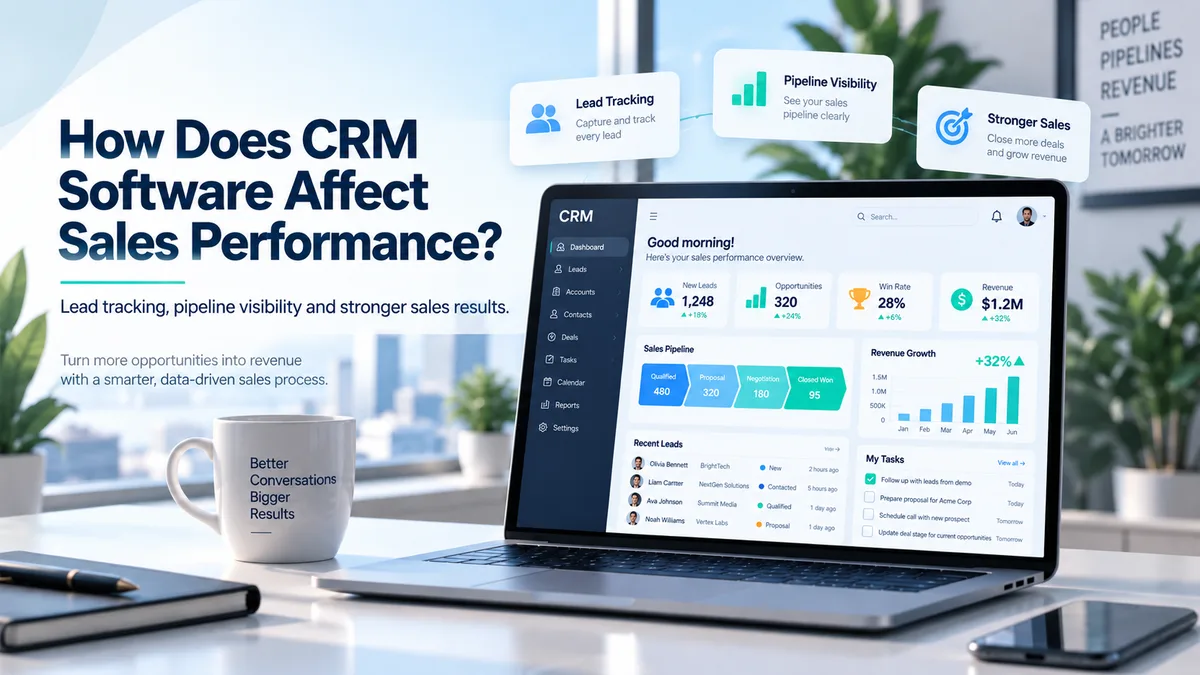
How Does CRM Software Affect Sales Performance?
Learn how CRM software can support sales processes through lead tracking, opportunity management, pipeline visibility, follow-up tasks and reporting.
Read More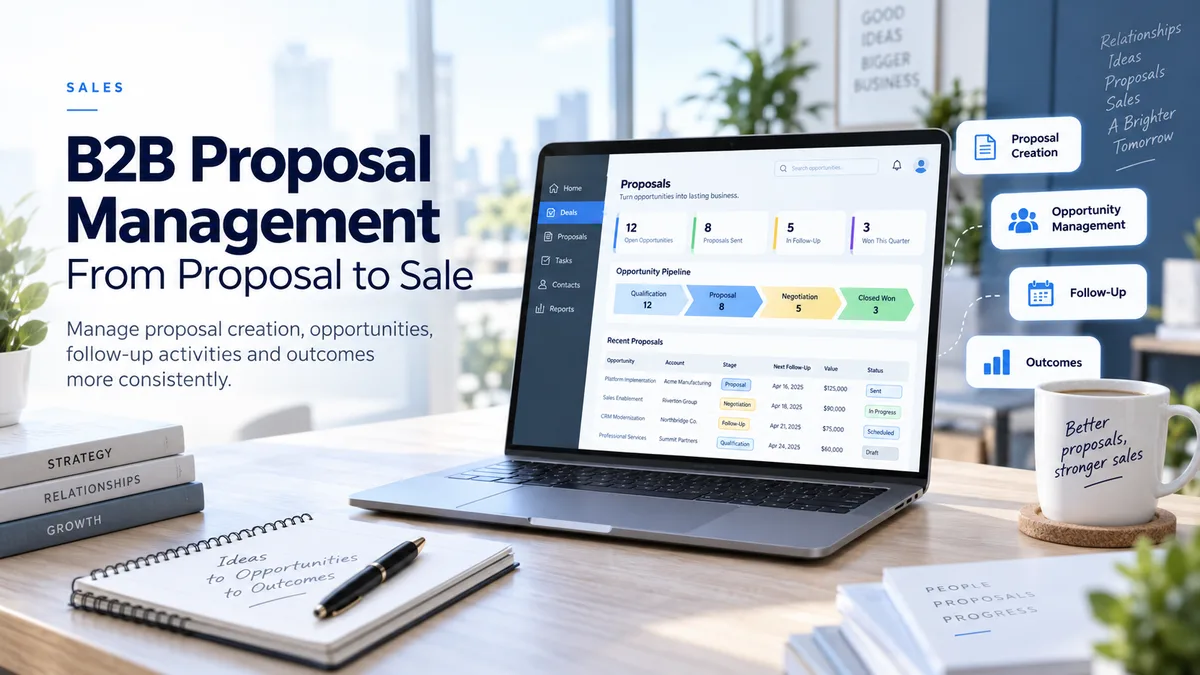
B2B Proposal Management: How to Manage the Process from Proposal to Sale
Learn how CRM can help B2B sales teams manage proposals, opportunities, follow-up activities and proposal outcomes more consistently.
Read More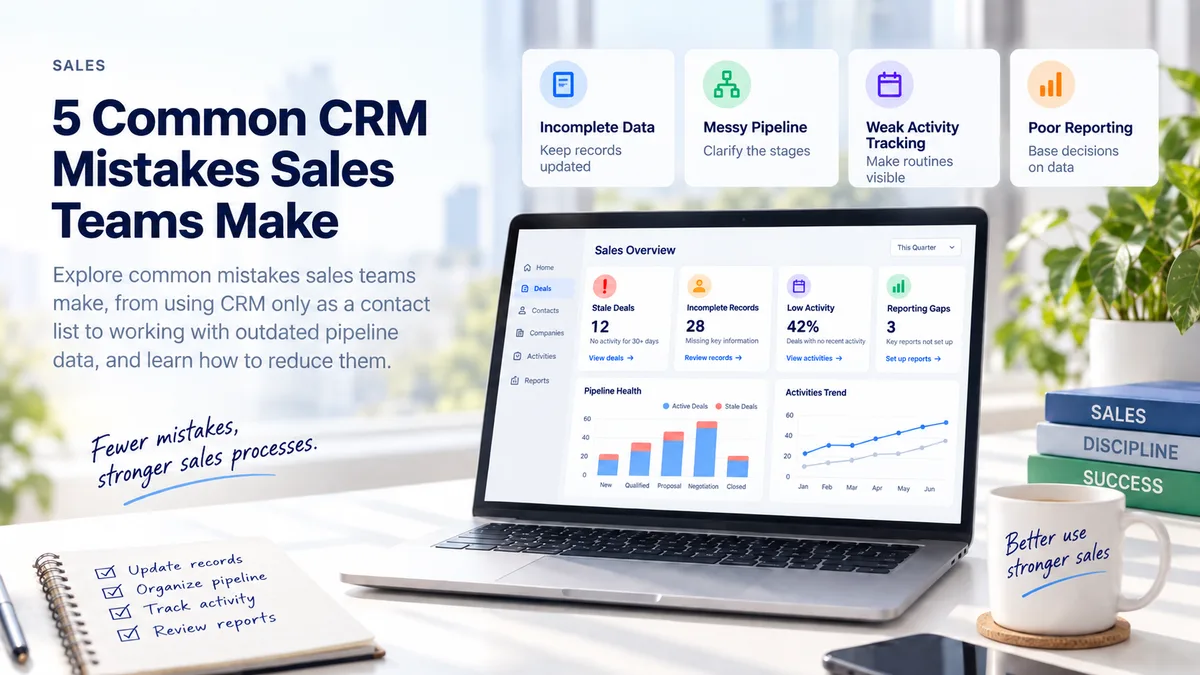
5 Common CRM Mistakes Sales Teams Make
Explore common CRM mistakes sales teams make, from using CRM only as a contact list to working with outdated pipeline data, and learn how to improve adoption.
Read More