What Do Customers Expect? Key Expectations Businesses Should Manage
Explore common customer expectations such as speed, clear communication, convenience, personalization and trust, and how CRM can help teams manage them more consistently.

Customer expectations describe the experience customers expect when they communicate with a business, make a purchase or request support.
Expectations vary by industry, product, service model and customer profile. However, speed, trust, clear communication, convenience and consistency are common expectations across many customer relationships.
What Are Customer Expectations?
Customer expectations are not limited to product or service quality.
Customers also form expectations around communication, purchasing, support, problem resolution and the overall relationship with a business.
1. Fast Responses
Customers generally expect a response when they ask a question or submit a support request.
Not every issue can be resolved immediately, but customers benefit from knowing that their request has been received and what will happen next.
Read How to Manage Post-Sales Support and Customer Relationships for the broader post-sales perspective.
2. Accurate and Consistent Information
Customers do not want to receive different answers from different people in the same organization.
Information about pricing, products, delivery, support and agreements should be as consistent as possible across teams.
3. Not Having to Repeat the Same Information
Customer experience can become frustrating when customers need to explain the same issue or provide the same information during every interaction.
Shared customer history can help teams see previous conversations and requests.
Read 7 Benefits of Centralizing Customer Data .
4. Easy Access
Customers expect to be able to contact a business when they need help or information.
Providing communication channels is only part of the process. Incoming requests also need to reach the right team and remain visible until they are handled.
Read Why Is Centralized Communication Important in Customer Service? .
5. Effective Problem Resolution
A fast response is not always the same as good customer service.
Customers usually expect their issue to be understood correctly and resolved appropriately.
6. Relevant Communication
Every customer has different requirements.
Customer history, industry, previous requests and areas of interest can provide useful context when communicating with customers.
Learn more in What Is Customer Segmentation? .
7. Trust
Customers expect businesses to keep their commitments and communicate consistently.
Delivery dates, promised follow-up, support commitments and other agreed actions should be tracked carefully.
8. Transparency
Customers want to understand what is happening in the process.
If a delivery is delayed, a support request is still being investigated or another action is required, timely communication can help manage expectations more effectively.
9. Attention After the Sale
The customer relationship continues after a purchase is completed.
Usage, support, renewals, complaints and additional requirements remain part of the customer experience.
10. A Simple and Organized Process
Customers do not usually need to understand how a business is organized internally.
Which department owns the request or which internal approvals are required is an operational matter for the organization.
From the customer's perspective, the process should be clear and easy to follow.
Customer Expectations and Customer Satisfaction
Customer expectations and satisfaction are closely related.
When the actual experience meets expectations, satisfaction may increase. Experiences below expectations can lead to dissatisfaction.
Read What Is Customer Satisfaction? for more information.
Are Customer Expectations and Customer Needs the Same?
They are related, but they are not the same concept.
A customer need describes the problem the customer wants to solve or the outcome they want to achieve.
A customer expectation describes how they expect the product, service or interaction to be delivered while addressing that need.
How Can Businesses Understand Customer Expectations?
Customer behavior and feedback can provide important information about expectations.
Useful sources can include:
- Customer conversations
- Sales notes
- Support requests
- Complaint records
- Survey results
- Frequently asked questions
- Reasons for won and lost opportunities
What Do Complaints Reveal About Customer Expectations?
Complaints can reveal where customer expectations are not being met.
Repeated complaints about the same subject may indicate a broader problem in a product, service or business process.
Explore Customer Complaint Management .
How Can CRM Help Manage Customer Expectations?
CRM provides teams with more customer context by keeping customer history and related activities within a shared structure.
This can include:
- Customer information
- Previous conversations
- Sales opportunities
- Tasks and activities
- Complaints and requests
- Future follow-up dates
Access to this context can help teams manage each customer interaction more consistently.
Do Customer Expectations Change Over Time?
Yes. Customer expectations are not static.
Technology, industry practices, competition and previous experiences can change what customers expect from a business.
Manage Expectations Across the Customer Lifecycle
Customer expectations exist throughout the relationship, not only during support.
First contact, sales, proposals, purchasing, onboarding, usage, support and renewal can all involve different expectations.
Read What Is Customer Lifecycle Management? .
Can Customer Expectations Be Reported?
Expectations cannot always be measured directly with a single report, but customer activity and feedback can provide useful signals.
Examples include:
- Most common customer requests
- Most common complaint categories
- Request resolution times
- Recurring customer problems
- Reasons for lost sales
- Customer feedback
Learn more in Why CRM Reporting Matters .
Manage Customer Expectations Systematically
Managing customer expectations is not only the responsibility of customer service teams.
Sales, operations, support and other customer-facing teams can create a more consistent experience when they work from shared customer information.
Explore Customer Service and Customer Management for the broader solution context.
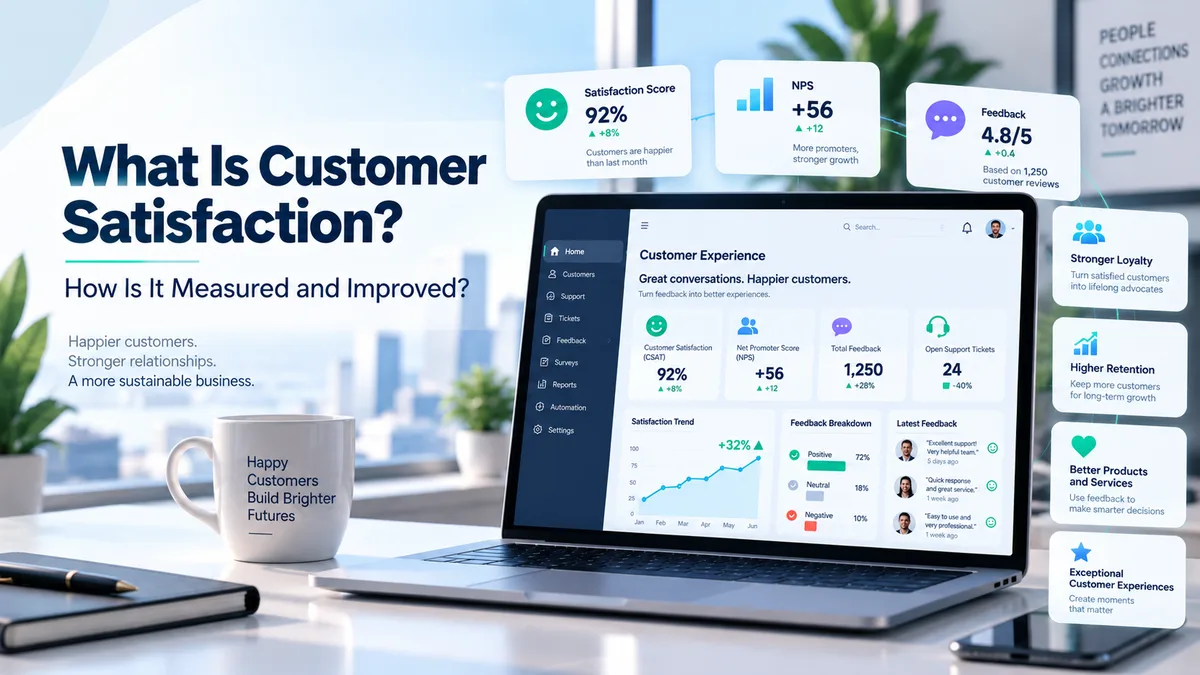
What Is Customer Satisfaction? How Is It Measured and Improved?
Learn what customer satisfaction means, which factors influence it, how it can be measured and how CRM processes can support more consistent customer experiences.
Read More
Why the Human Touch Matters in Digital Customer Experience
Discover why human interaction, trust and personalized communication remain important in customer experience in the age of digitalization and AI.
Read More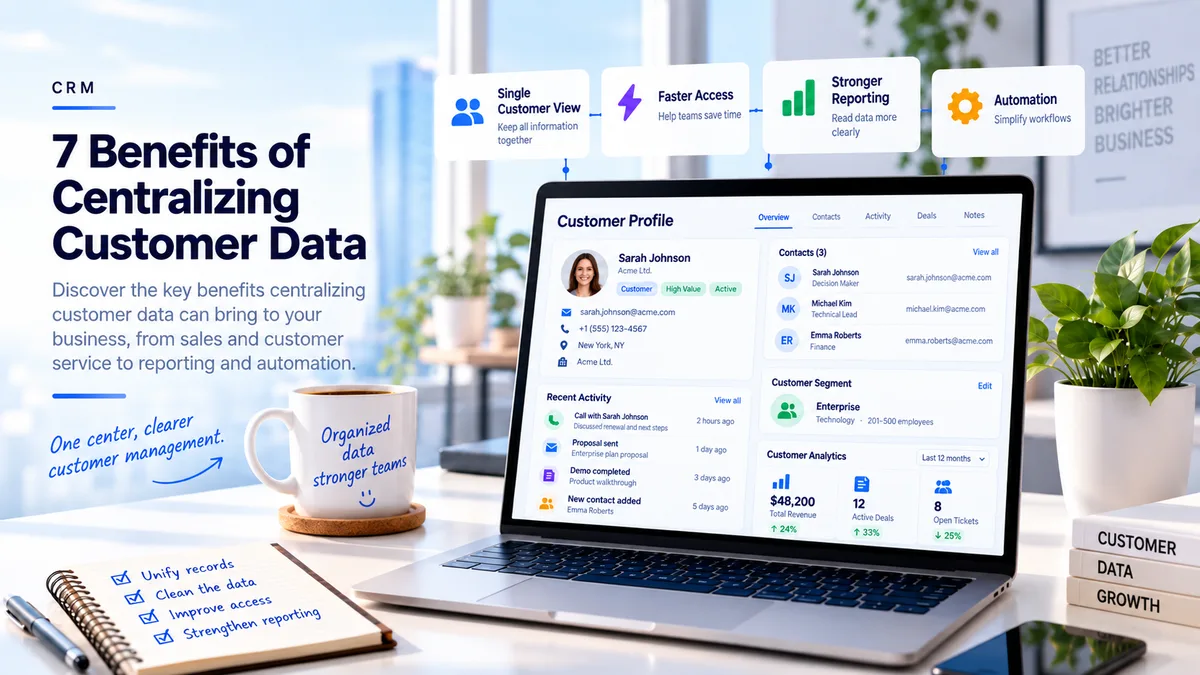
7 Benefits of Centralizing Customer Data
Discover how centralizing customer data can support sales, customer service, reporting, automation and stronger collaboration across your business.
Read More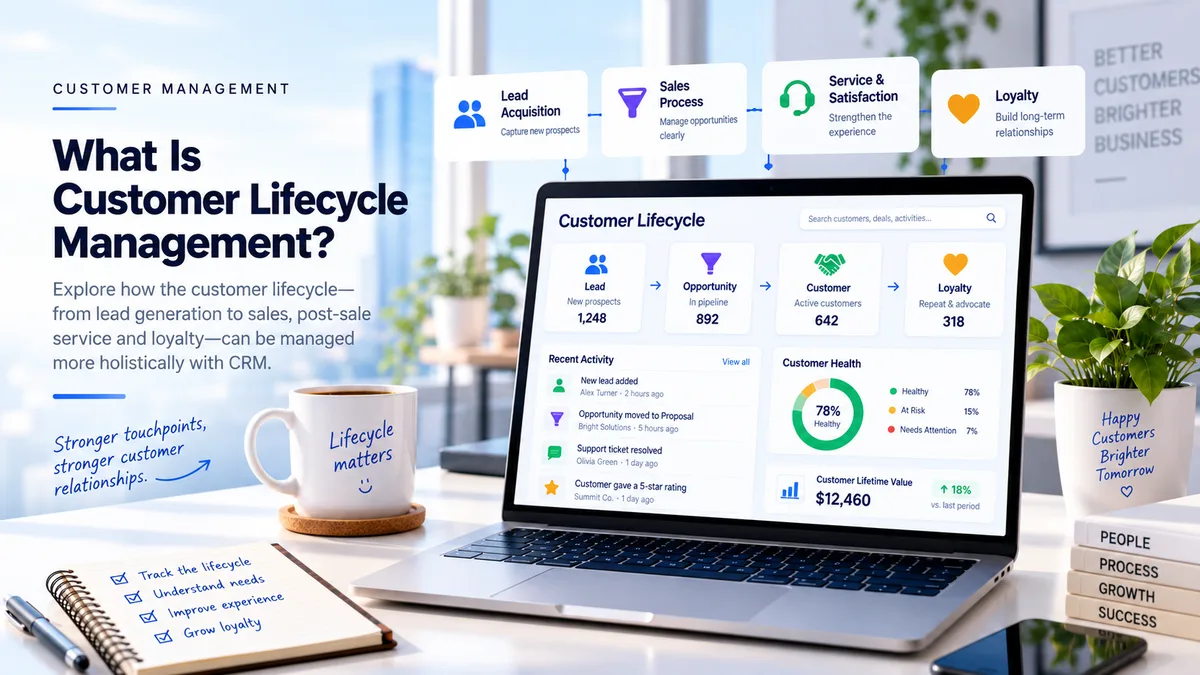
What Is Customer Lifecycle Management?
Discover how CRM can help manage the customer lifecycle more holistically, from the first opportunity and sale to post-sale service and long-term loyalty.
Read More
How to Communicate Effectively with Customers
Learn the key principles of clear, consistent and trustworthy customer communication and how CRM can help teams maintain better customer context.
Read More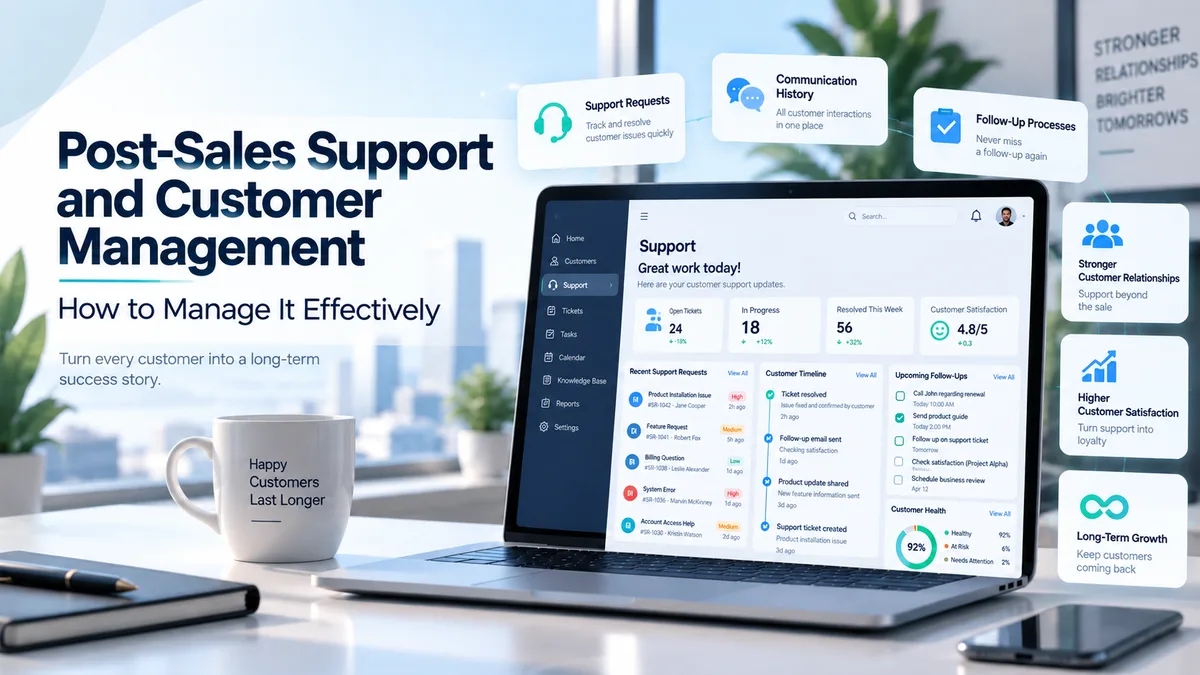
How to Manage Post-Sales Support and Customer Relationships
Learn how CRM can help businesses manage post-sales requests, communication history, follow-up tasks and customer service processes more consistently.
Read More