What Is Customer Segmentation? How Can You Group Customers with CRM?
Learn what customer segmentation means, which criteria can be used to group customers and how CRM data can support a more structured segmentation process.
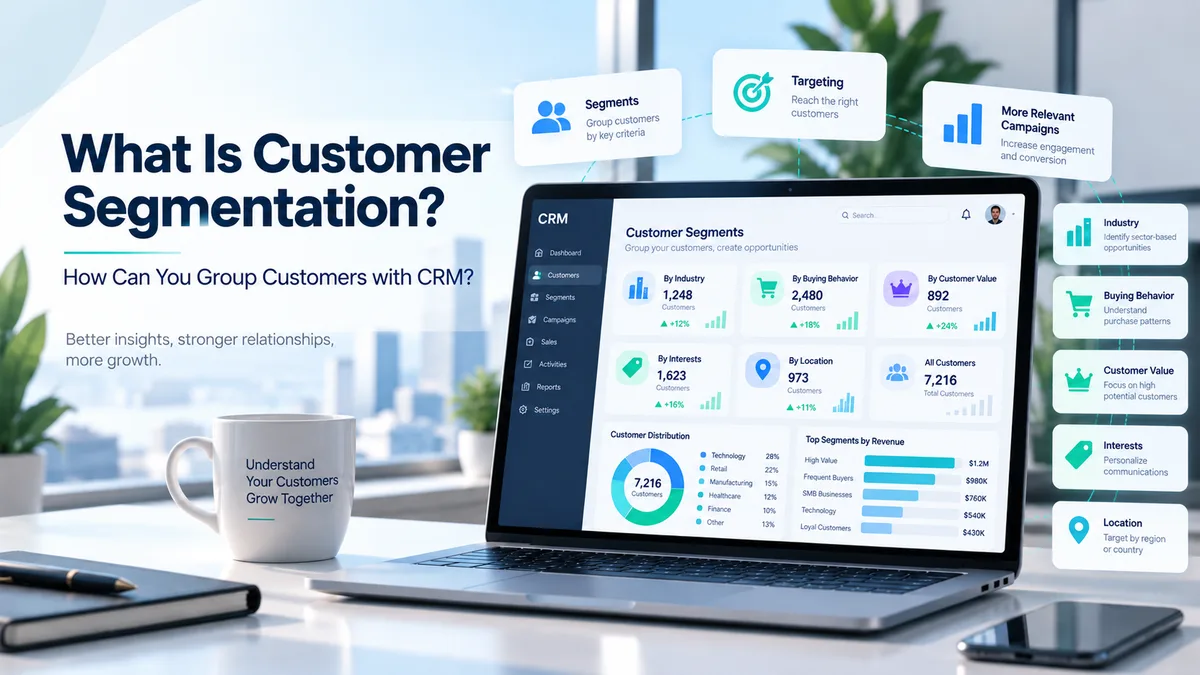
Customer segmentation is the process of dividing customers into groups based on shared characteristics. The goal is to understand different customer groups rather than treating the entire customer base in exactly the same way.
Segmentation can support sales, customer management, service and reporting processes by making customer data easier to evaluate.
What Is Customer Segmentation?
Customer segmentation means grouping customers according to demographic, industry, behavioral, commercial or operational criteria.
Instead of viewing the customer portfolio as one large group, businesses can evaluate customers with similar characteristics together.
Why Do Businesses Segment Customers?
Customers do not all have the same expectations, buying behavior or relationship with a business.
Segmentation may help businesses:
- Understand customer groups more clearly
- Prioritize sales opportunities
- Create more relevant customer communication
- Develop different approaches for different customer groups
- Monitor changes in the customer portfolio
- Make reporting more meaningful
Which Criteria Can Be Used for Customer Segmentation?
The right criteria depend on industry, customer structure and business model.
Industry
B2B organizations can group customers according to the industries in which they operate.
Manufacturing, logistics, healthcare, education and construction customers, for example, may represent different segments.
Company Size
Employee count, revenue, number of locations or other indicators of company size can be used for segmentation.
Smaller businesses and larger organizations may have different requirements and purchasing processes.
Location
Customers may be grouped by city, region, country or sales territory.
Geographic segmentation can be useful for field sales, regional teams and location-based customer analysis.
Customer Status
Businesses can create segments such as active customers, potential customers, former customers or customers with no recent activity.
This can help teams evaluate different stages of the customer lifecycle.
Learn more in What Is Customer Lifecycle Management?
Buying Behavior
Purchase frequency, product preferences, transaction volume and recency can also support customer segmentation.
Customer Value
Some organizations classify customers based on the commercial value they create.
Customer value should not necessarily be based on a single transaction. History, continuity and other business-specific factors may also need to be considered.
How Can CRM Support Customer Segmentation?
CRM systems help businesses maintain customer information within a common structure, making it easier to use that data for segmentation.
Customers may be filtered or grouped using information such as:
- Industry
- Location
- Customer status
- Source
- Account owner
- Sales history
- Activity history
- Products or services of interest
Explore Customer Management for DinamikCRM's broader customer management approach.
Are Customer Segmentation and Customer Classification the Same?
In everyday use, customer segmentation, grouping and classification are often used in similar ways.
The important point is that customer groups are based on criteria that are meaningful for the business.
Customer Segmentation and Lead Management
Segmentation is not limited to existing customers. Potential customers can also be grouped by industry, source, need or other criteria.
This can help sales teams evaluate different lead groups more systematically.
Explore Lead Management for the broader process.
How Can Customer Segmentation Support Sales?
Sales teams can evaluate which customer groups generate more opportunities or where sales processes perform more successfully.
For example, if one industry segment consistently produces stronger sales outcomes, that information can support future targeting decisions.
Learn more about Sales Management .
Why Is Data Quality Important for Segmentation?
The quality of segmentation depends on the quality of customer data.
Missing industry information, outdated customer statuses or duplicate records can result in inaccurate segments.
Read Why Data Quality Matters in CRM for more information.
How Do You Create Customer Segments?
Before creating segments, businesses should define the question they are trying to answer.
Examples include:
- Which customer groups generate more sales?
- Which industries generate more potential customers?
- Which customer groups are most active?
- Which customers have had no recent activity?
- Where are customers geographically concentrated?
The criteria used for segmentation can then be selected based on these questions.
How Many Customer Segments Should You Have?
Too many segments can become difficult to manage, while overly broad segments may hide meaningful differences.
The right number depends on customer volume, business processes and the purpose of the segmentation.
How Is Customer Segmentation Used in Reporting?
Once segments are defined, businesses can compare customer and sales results by segment.
For example, reports may show which segment generates more opportunities, where activity is concentrated or how the customer portfolio is distributed.
Learn more in Why CRM Reporting Matters .
Customer Segmentation Does Not Have to Be Static
Customer characteristics and relationships can change over time. Segmentation should therefore not always be treated as a one-time exercise.
A potential customer can become an active customer, customer interests can change and customer status may need to be updated.
Reviewing segments periodically helps maintain a more current view of the customer base.
Use Customer Data More Meaningfully
Customer segmentation is one example of how CRM data can be used for more than record keeping.
Read 7 Benefits of Centralizing Customer Data to learn more about centralized customer information.
You can also review What Are CRM Modules? for a broader view of CRM functionality.

Why the Human Touch Matters in Digital Customer Experience
Discover why human interaction, trust and personalized communication remain important in customer experience in the age of digitalization and AI.
Read More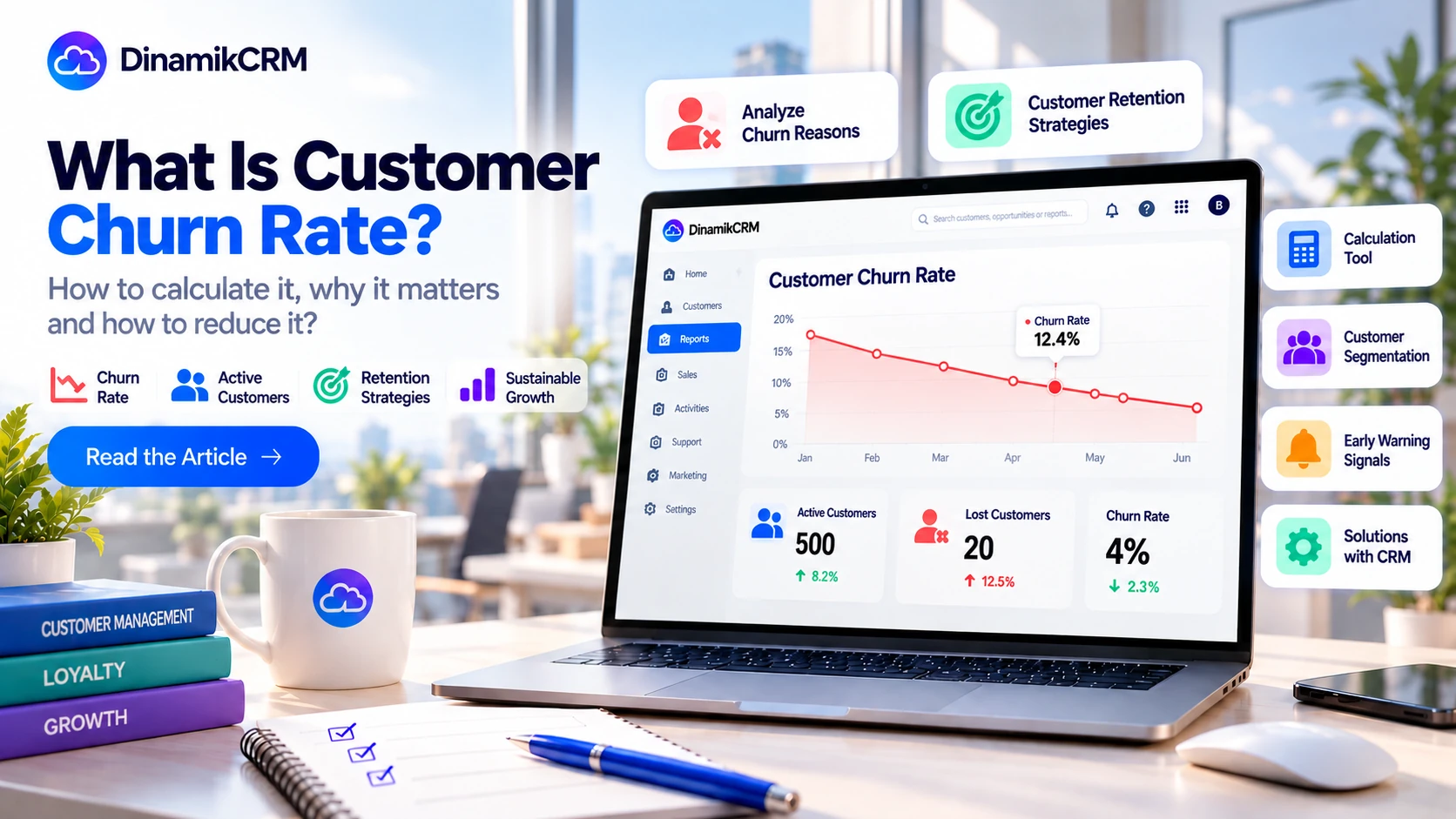
What Is Customer Churn Rate? How to Calculate and Reduce Churn
Learn what customer churn rate means, how to calculate it, identify early warning signs of customer loss, and reduce churn using CRM and customer retention strategies.
Read More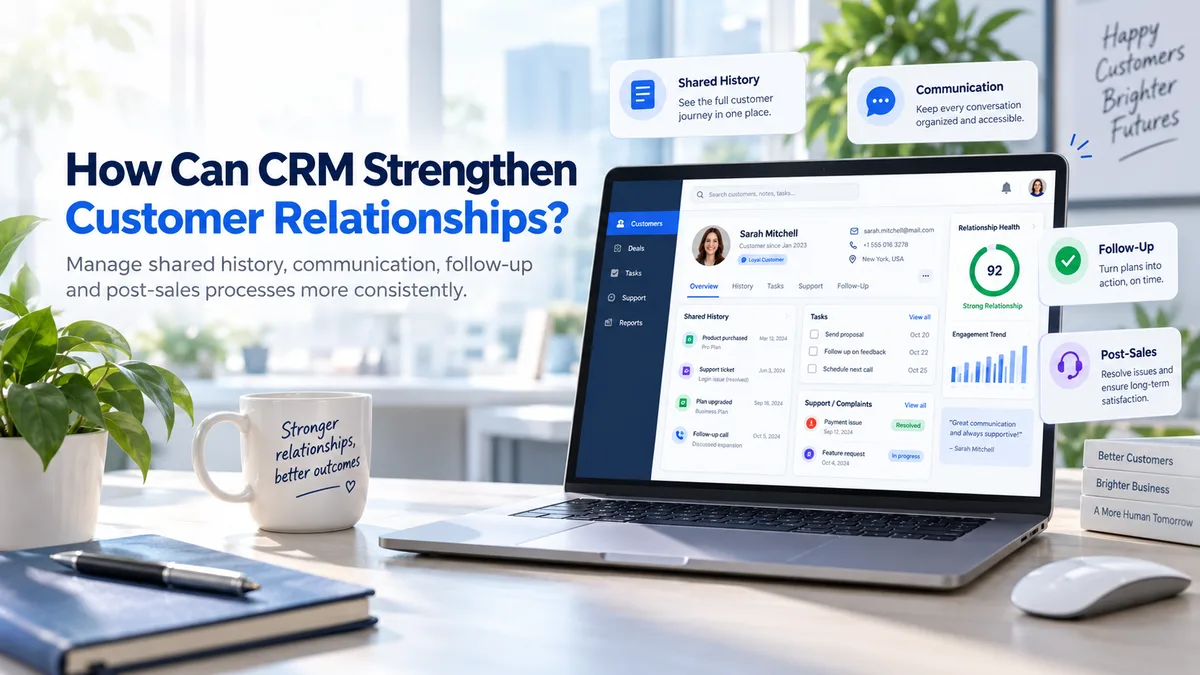
How Can CRM Strengthen Customer Relationships?
Learn how CRM can support customer relationships through shared history, communication tracking, follow-up, complaint management and post-sales processes.
Read More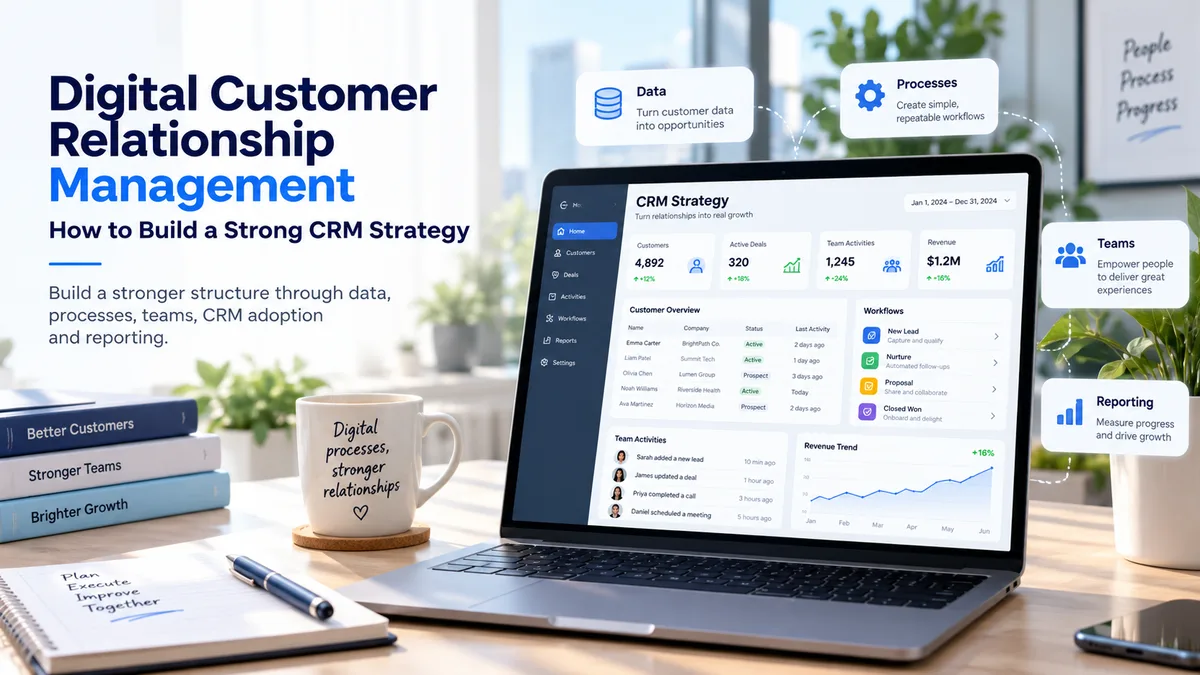
Digital Customer Relationship Management: How to Build a Strong CRM Strategy
Explore the key elements of digital customer relationship management, including data, processes, teams, CRM adoption and reporting.
Read More
Customer Loyalty and New Customer Acquisition: How to Balance Both
Learn how businesses can balance new customer acquisition with retention and how CRM can support both sides of the customer lifecycle.
Read More
What Is Customer Lifecycle Management?
Discover how CRM can help manage the customer lifecycle more holistically, from the first opportunity and sale to post-sale service and long-term loyalty.
Read More