What Is Customer Churn Rate? How to Calculate and Reduce Churn
Learn what customer churn rate means, how to calculate it, identify early warning signs of customer loss, and reduce churn using CRM and customer retention strategies.
Acquiring new customers is essential for business growth. However, retaining existing customers is equally important for building a sustainable business.
A company may attract new customers every month while losing a significant portion of its existing customer base. In that situation, growth can be slower and less predictable than expected.
This is where customer churn rate becomes an important business metric.
By measuring churn consistently, businesses can better understand customer retention, identify relationship problems and improve their customer management strategies.
What Is Customer Churn Rate?
Customer churn rate is the percentage of customers who stop doing business with a company during a specific period, relative to the number of customers at the beginning of that period.
It is also known as customer attrition rate.
For subscription businesses, churn typically refers to customers who cancel their subscriptions. In other industries, customer loss may be defined by inactivity, discontinued purchasing or another measurable business condition.
Before calculating churn, businesses should clearly define what qualifies as a lost customer.
How to Calculate Customer Churn Rate
The basic customer churn rate formula is:
Churn Rate (%) = (Customers Lost During the Period / Customers at the Beginning of the Period) × 100
To make the calculation meaningful, businesses should apply a consistent definition of an active customer and use the same measurement period.
Customer Churn Rate Calculation Example
Consider a SaaS company with the following monthly figures:
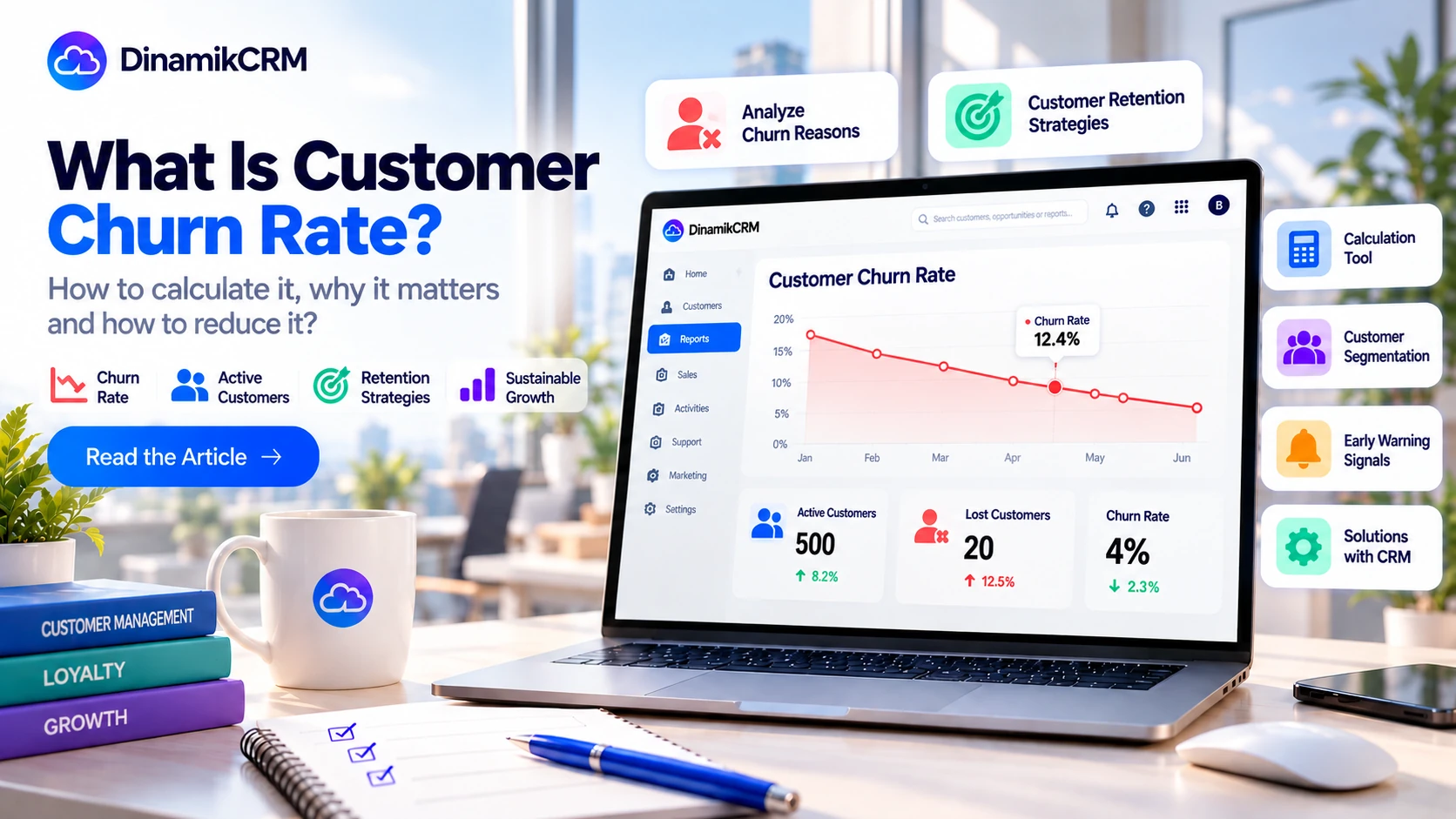
- Customers at the beginning of the month: 500
- Customers lost during the month: 20
- New customers acquired during the month: 35
The monthly churn rate is:
(20 / 500) × 100 = 4%
The company has a monthly customer churn rate of 4%.
Although its total customer count increases to 515 by the end of the month, the business has still experienced customer loss. New customer acquisition has compensated for that loss.
This is why customer acquisition and customer retention should be measured separately.
Free Customer Churn Rate Calculator
You do not need to calculate customer churn manually every time.
DinamikCRM provides a free customer churn calculator that you can use to evaluate customer loss based on your business data.
Try the Free Customer Churn Calculator (Turkish) →
When interpreting churn results, consider the measurement period, reasons for customer loss and changes over time.
Why Is Customer Churn Rate Important?
1. It affects recurring revenue
For subscription-based companies, losing customers can directly affect recurring revenue. Even when new customers are acquired, high churn can reduce the value of that growth.
2. It can reveal customer experience problems
Increasing churn may indicate issues related to service quality, product value, customer support or changing customer expectations.
3. It influences customer acquisition economics
The long-term value of acquiring a customer depends partly on how long that customer continues doing business with the company.
Explore our guide on customer acquisition management to understand how acquisition and retention contribute to business growth.
4. It supports business planning
Understanding churn trends can help businesses plan sales targets, customer success activities and customer retention initiatives more effectively.
Why Do Customers Leave?
Customer churn may occur for many reasons. Common factors include:
- Unmet expectations: Customers do not receive the outcomes they expected.
- Poor communication: Questions and support requests are not addressed effectively.
- Low product adoption: Customers do not integrate the product into their everyday workflows.
- Price and perceived value: Customers believe the value received does not justify the cost.
- Competitive alternatives: Another product or service may better meet their needs.
- Changing business needs: Customer priorities or organizational structures change.
- Insufficient follow-up: Customer relationships are not actively managed after the initial sale.
Understanding the reasons behind customer loss is often more valuable than simply calculating the churn percentage.
7 Early Warning Signs of Customer Churn
Not every lost customer can be predicted. However, certain changes in customer behavior may indicate a higher risk of churn.
1. Reduced communication
Customers who previously communicated regularly may become less responsive or stop engaging with account managers.
2. Declining product usage
For software businesses, fewer logins, reduced feature usage or declining active users may indicate lower engagement when product usage data is available.
3. Unresolved support requests
Repeated complaints or prolonged support resolution times may negatively affect customer satisfaction.
4. Changes in purchasing behavior
A decline in order frequency or purchasing volume can indicate that a customer's needs or preferences have changed.
5. Upcoming subscription renewals
Renewal periods without sufficient communication or customer engagement may create retention challenges.
6. Negative customer feedback
Declining satisfaction scores and repeated negative feedback may signal potential problems in the customer relationship.
7. Changes in decision-makers
In B2B relationships, changes in stakeholders, account owners or product champions can affect purchasing and renewal decisions.
These signals should not be treated as definitive proof that a customer will leave. Businesses should evaluate multiple indicators together and consider the customer's specific circumstances.
How Can CRM Help Reduce Customer Churn?
A CRM platform cannot eliminate customer churn by itself. However, it can provide the structure needed to manage customer relationships more consistently and support retention activities.
1. Centralize customer information
Keeping customer details, communication history, opportunities, tasks and follow-up activities in one place helps teams maintain shared customer context.
2. Establish regular follow-up processes
Account managers can schedule customer reviews, renewal reminders and post-sales follow-up activities to maintain ongoing relationships.
3. Segment customers based on risk indicators
Customers with declining engagement, unresolved issues or changes in purchasing behavior can be reviewed as separate groups.
Learn more about segmentation in our customer segmentation guide.
4. Improve post-sales support
Managing support requests and customer interactions consistently can help businesses improve service quality and maintain stronger relationships.
Read our article on post-sales support and customer management.
5. Monitor relevant customer metrics
Combining churn rate with customer activity, support history, purchasing patterns and other indicators can support more informed retention decisions.
With DinamikCRM, businesses can organize customer information, sales opportunities, communication history and follow-up activities in a centralized platform.
Churn Rate vs. Retention Rate: What's the Difference?
Churn rate measures customer loss, while retention rate measures how many customers remain with a business over a defined period.
When calculated using the same starting customer group and measurement period, these metrics complement each other.
Customer Retention Rate (%) = (Starting Customers Still Active at the End / Customers at the Beginning) × 100
For example, if a company begins with 500 customers and loses 20:
- Customer churn rate: 4%
- Customer retention rate: 96%
Revenue-based churn and net revenue retention are different measurements and should not be confused with customer-count-based retention.
For a broader perspective, read our guide on balancing customer loyalty and new customer acquisition.
What Is a Good Customer Churn Rate?
There is no universal churn rate benchmark that applies to every business.
Churn depends on factors such as industry, pricing model, customer segment, contract duration and customer lifecycle.
Businesses should avoid comparing monthly churn directly with annual churn or comparing different customer segments without considering their characteristics.
For more meaningful analysis:
- Track churn consistently over time.
- Compare similar customer segments.
- Analyze new and established customer groups separately.
- Measure customer churn and revenue churn independently.
- Review and categorize customer cancellation reasons.
To calculate your current customer loss rate, try our free churn rate calculator (Turkish) and compare your results across measurement periods.
Frequently Asked Questions
What does churn rate mean?
Churn rate is the percentage of customers who stop doing business with a company during a specific period.
How do you calculate churn rate?
Divide the number of customers lost during a period by the number of customers at the beginning of that period, then multiply by 100.
Should churn rate be measured monthly or annually?
Both are possible. The appropriate measurement period depends on the business model, contract structure and customer lifecycle.
Is churn rate the same as customer satisfaction?
No. Customer satisfaction measures how customers evaluate their experiences, while churn rate measures actual customer loss.
Can CRM prevent customer churn?
CRM cannot prevent every customer loss. However, it can support customer retention through centralized information, structured follow-up processes and better visibility into customer relationships.
Conclusion
Customer churn rate is an important indicator of how effectively a business retains its customers.
Sustainable growth requires more than acquiring new customers. Businesses also need to understand why customers leave, identify relationship risks and build consistent retention processes.
Customer acquisition and customer retention should be managed together as complementary parts of long-term growth.
Start by calculating your customer churn rate (Turkish), then explore how DinamikCRM can help you manage customer relationships and follow-up processes more systematically.
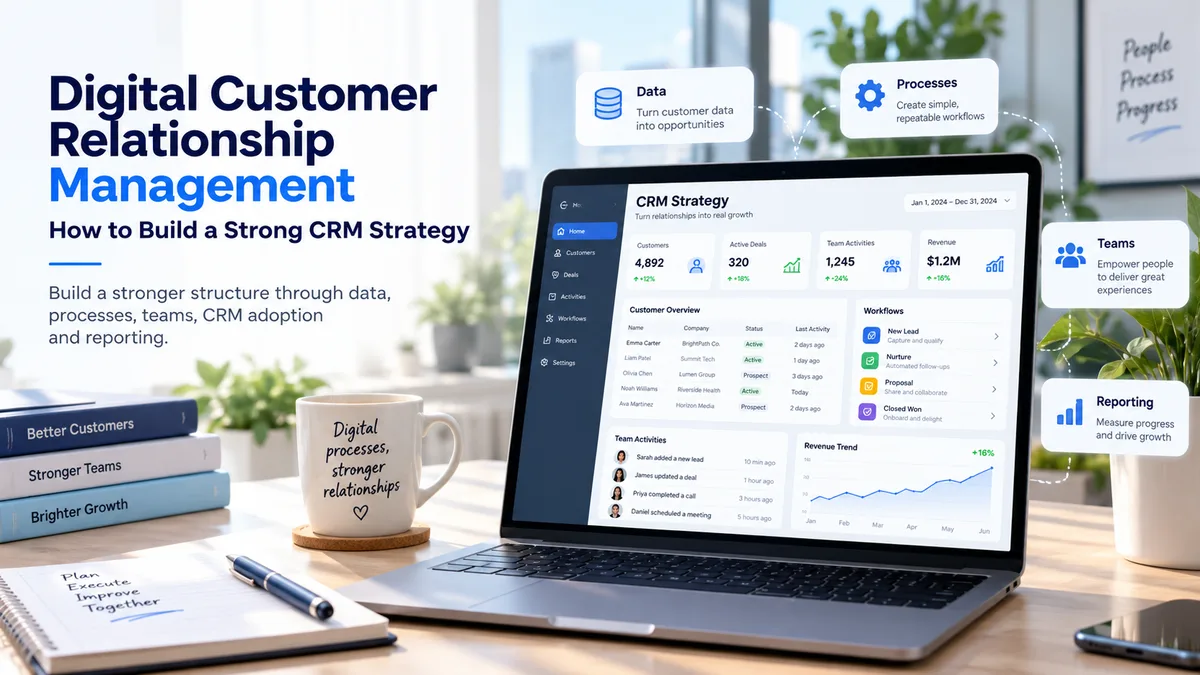
Digital Customer Relationship Management: How to Build a Strong CRM Strategy
Explore the key elements of digital customer relationship management, including data, processes, teams, CRM adoption and reporting.
Read More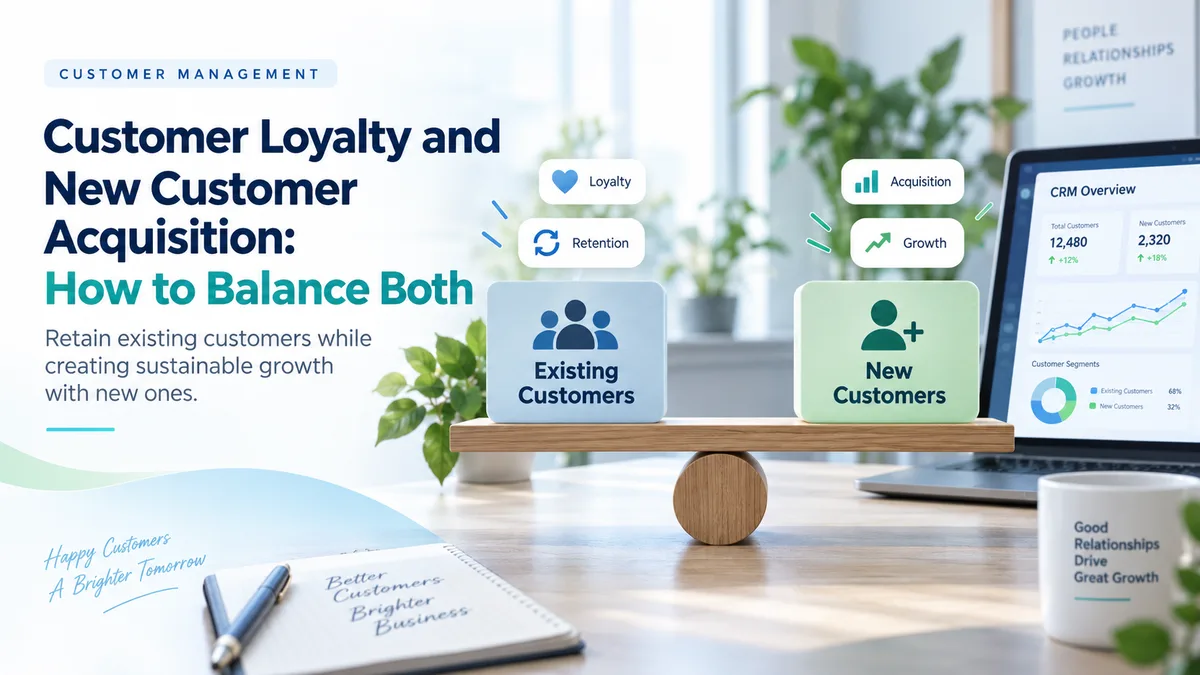
Customer Loyalty and New Customer Acquisition: How to Balance Both
Learn how businesses can balance new customer acquisition with retention and how CRM can support both sides of the customer lifecycle.
Read More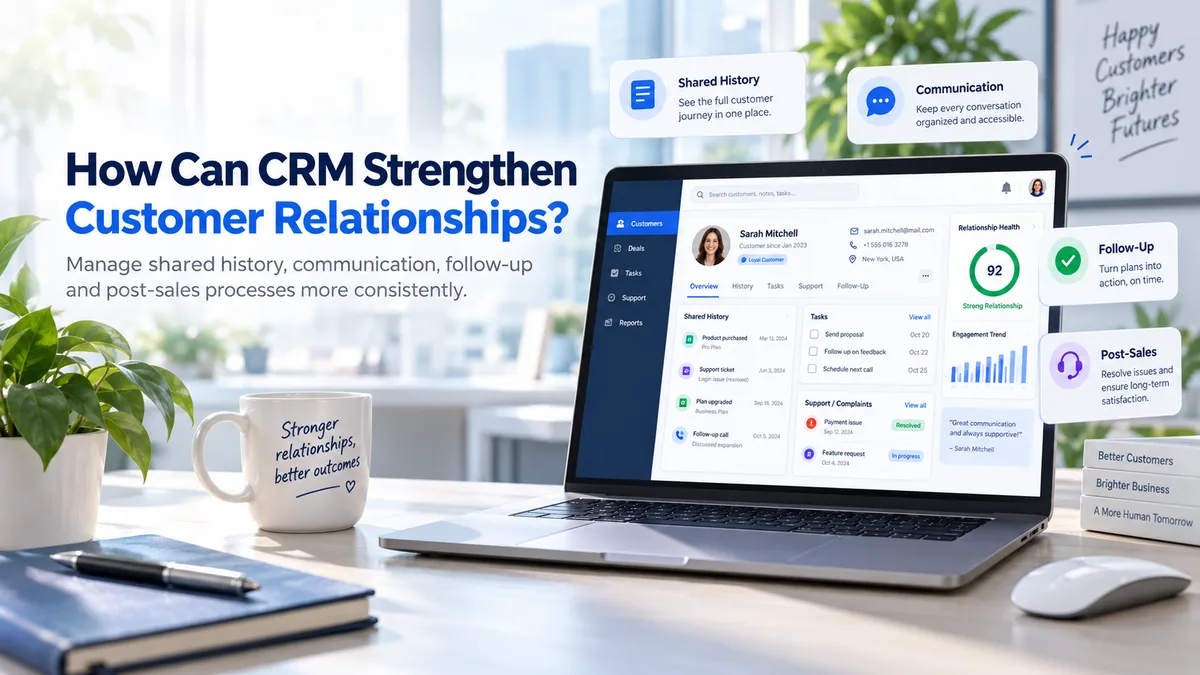
How Can CRM Strengthen Customer Relationships?
Learn how CRM can support customer relationships through shared history, communication tracking, follow-up, complaint management and post-sales processes.
Read More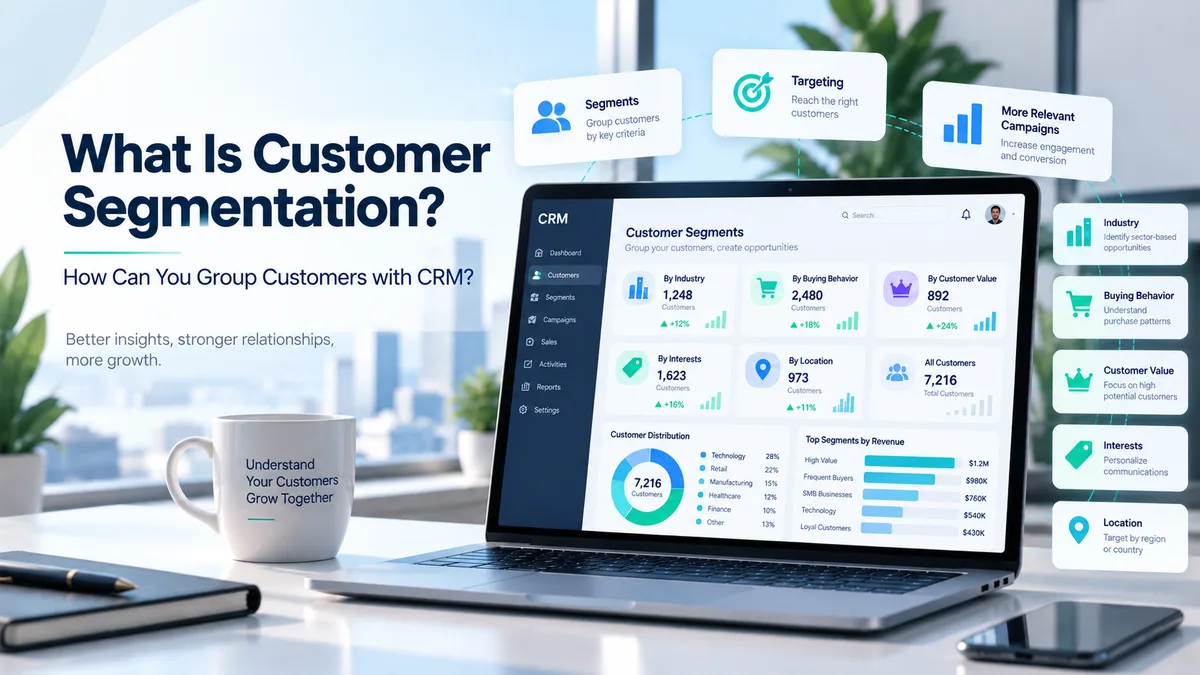
What Is Customer Segmentation? How Can You Group Customers with CRM?
Learn what customer segmentation means, which criteria can be used to group customers and how CRM data can support a more structured segmentation process.
Read More
Why the Human Touch Matters in Digital Customer Experience
Discover why human interaction, trust and personalized communication remain important in customer experience in the age of digitalization and AI.
Read More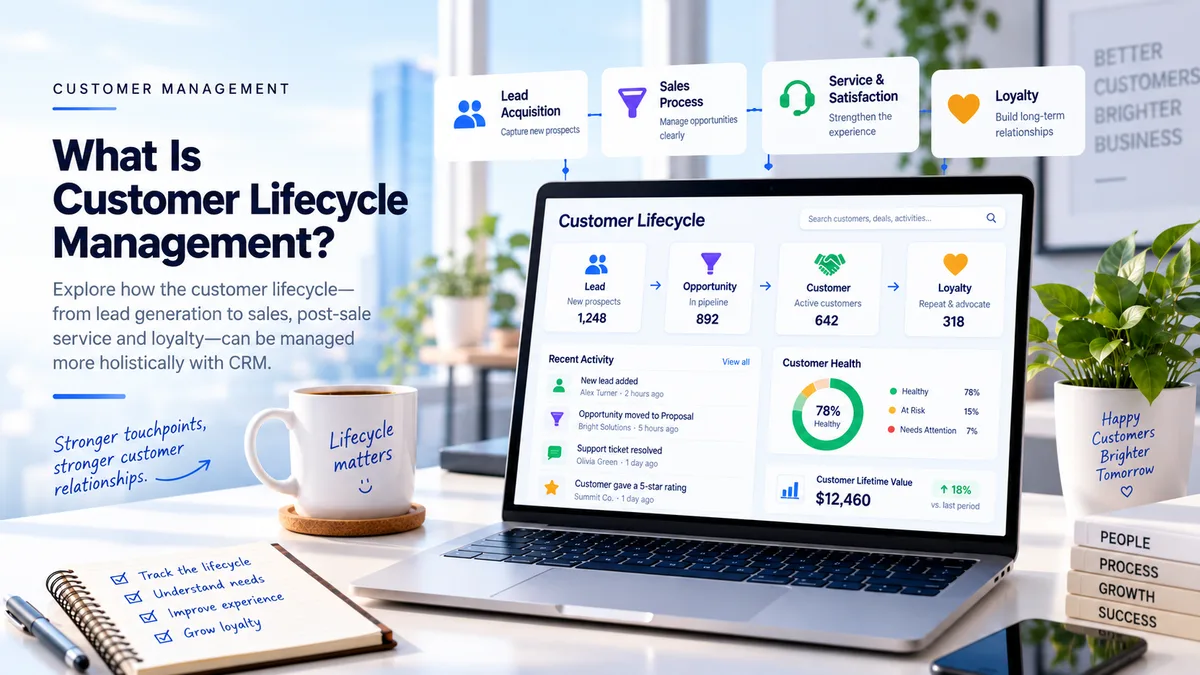
What Is Customer Lifecycle Management?
Discover how CRM can help manage the customer lifecycle more holistically, from the first opportunity and sale to post-sale service and long-term loyalty.
Read More