How Can CRM Strengthen Customer Relationships?
Learn how CRM can support customer relationships through shared history, communication tracking, follow-up, complaint management and post-sales processes.
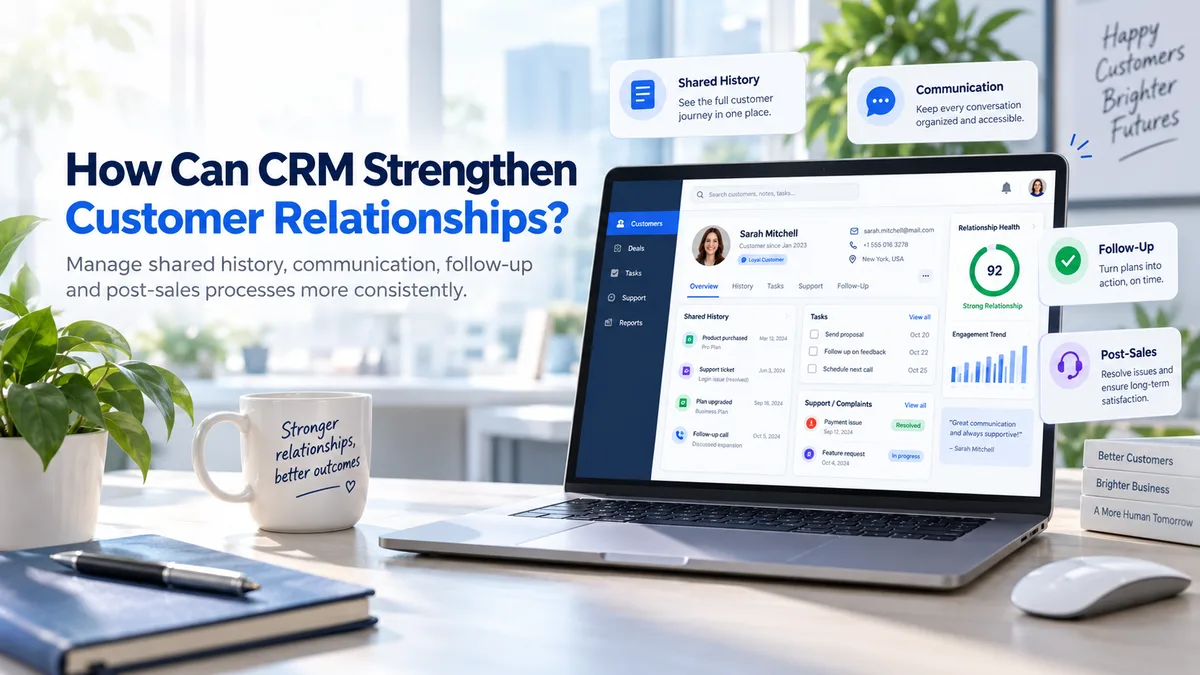
Strong customer relationships are not created by sales alone. Businesses also need to understand customer history, follow requests, communicate at the right time and continue the relationship after the sale.
CRM can bring these activities into a shared structure and help teams manage customer relationships more consistently.
How Can CRM Strengthen Customer Relationships?
One of CRM's main contributions is moving customer information away from disconnected notes and personal memory into a shared system.
Sales, customer service and other teams can then work from the same customer context.
1. Centralize Customer Information
When contact details, company information, interactions, opportunities, tasks and requests are stored separately, creating a complete customer view becomes difficult.
CRM can help maintain this information within a shared customer record.
Read 7 Benefits of Centralizing Customer Data .
2. Preserve Interaction History
When customer conversations remain only in personal notes, important context can be lost when another employee contacts the customer.
Keeping interaction history in CRM helps different users understand what happened previously.
3. Reduce Repetition for Customers
Customer experience can suffer when customers need to explain the same situation during every interaction.
Previous requests, notes and activities can provide teams with more context before the next conversation.
Read How to Communicate Effectively with Customers .
4. Understand Customer Expectations
Previous interests, requests, problems and interactions can provide useful information about what a customer expects from the relationship.
Read What Do Customers Expect? .
5. Keep Follow-Up Visible
Proposal follow-up, support results, meetings and renewal dates can all affect the quality of a customer relationship.
CRM can be used to manage these activities as tasks and future follow-up actions.
Explore Task Tracking .
6. Improve Information Flow Between Sales and Customer Service
Sales teams understand the buying process, while customer service teams usually see what happens after the sale.
When those two perspectives are disconnected, customers may feel as if they are dealing with separate organizations.
Shared CRM information helps preserve customer context across teams.
7. Evaluate Complaints with Customer History
Complaints are more useful when they are evaluated together with the customer's previous requests and interactions.
Recurring issues can become easier to identify when complaint records are linked to customer history.
Explore Customer Complaint Management .
8. Continue the Relationship After the Sale
Customer relationships do not end when an opportunity is won.
Product use, support, renewals, complaints and additional requirements all remain part of the relationship.
Read How to Manage Post-Sales Support and Customer Relationships .
9. Evaluate Customer Satisfaction with More Context
Customer satisfaction should not necessarily be viewed only through a single interaction.
Interaction history, recurring problems and the wider relationship can provide a more complete picture.
Read What Is Customer Satisfaction? .
10. Group Customers More Meaningfully
Customers do not all have the same characteristics or needs.
Industry, location, customer status, purchase history and other criteria can be used to create meaningful customer segments.
Read What Is Customer Segmentation? .
11. Follow the Customer Lifecycle
Customer relationships may move through stages such as first contact, potential customer, sales opportunity, active customer and post-sales support.
Viewing these stages together helps businesses understand how the relationship develops over time.
Read What Is Customer Lifecycle Management? .
12. Use Customer Data in Reporting
Structured CRM data can support reporting across areas such as:
- Customer sources
- Active customers
- Sales opportunities
- Complaints and requests
- Tasks and activities
- Customer segments
Learn more in Why CRM Reporting Matters .
Can CRM Build Strong Customer Relationships on Its Own?
No. CRM is a relationship-management tool; it does not replace people.
Listening to customers, providing the right solution, keeping commitments and communicating well remain the responsibility of the team.
CRM helps make those activities more visible and easier to manage.
Data Quality and Customer Relationships
If CRM information is incomplete or outdated, customer interactions may also be based on incorrect context.
Missing contact details, outdated customer statuses and duplicate records can reduce the reliability of the customer view.
Read Why Data Quality Matters in CRM .
Make Customer Relationship Management Systematic
Strong customer relationships depend on understanding the customer, preserving history, completing follow-up and enabling teams to work from shared information.
CRM can help turn these activities from individual practices into a more consistent process.
Explore Customer Management for the broader solution context.
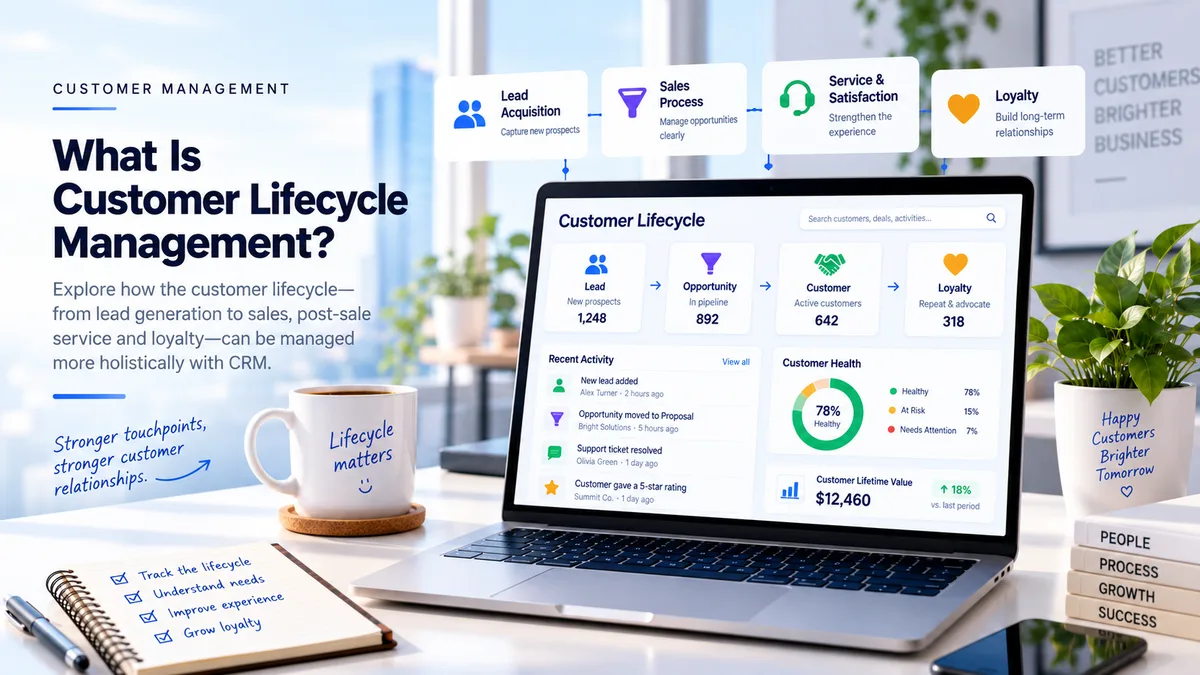
What Is Customer Lifecycle Management?
Discover how CRM can help manage the customer lifecycle more holistically, from the first opportunity and sale to post-sale service and long-term loyalty.
Read More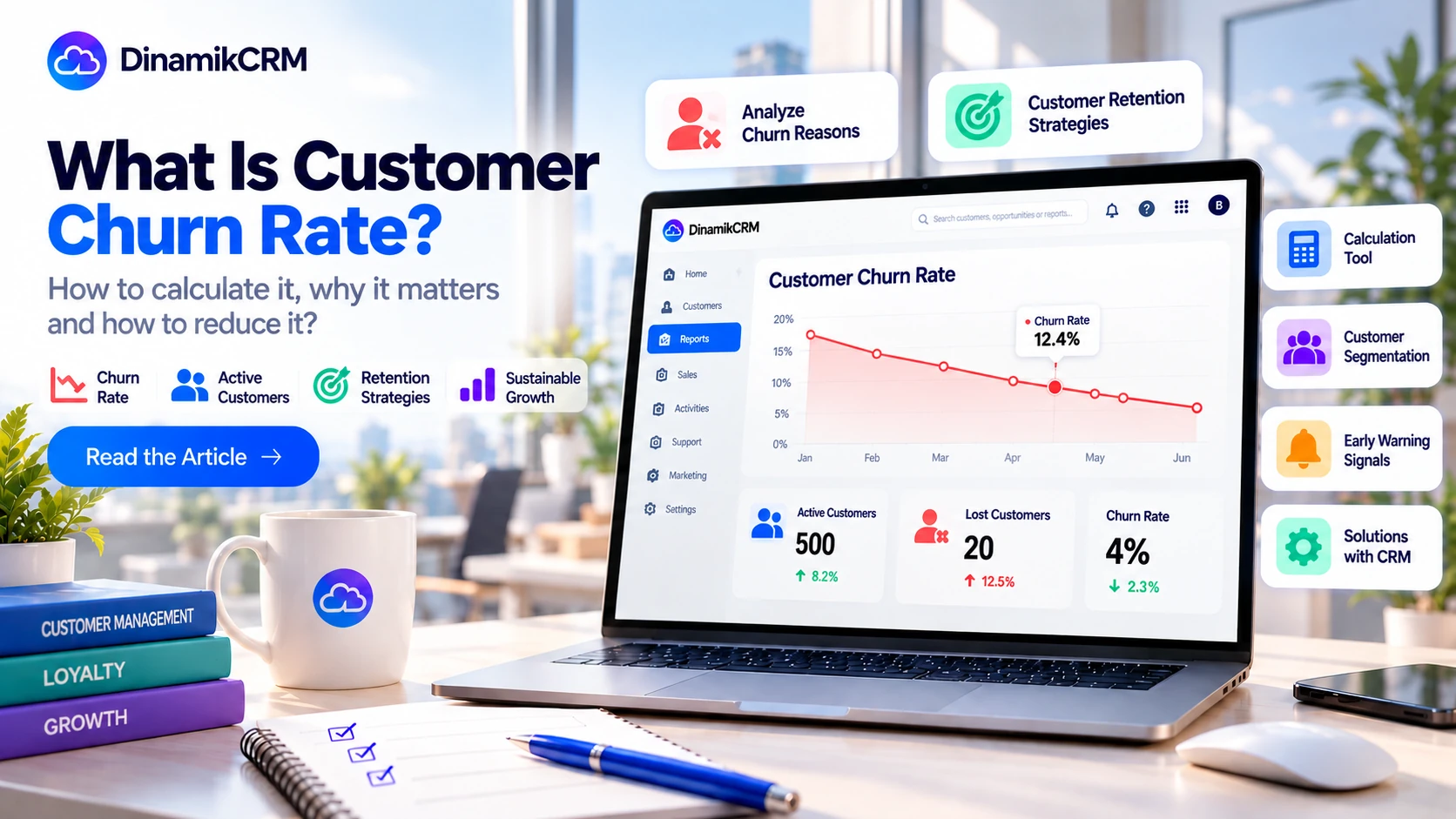
What Is Customer Churn Rate? How to Calculate and Reduce Churn
Learn what customer churn rate means, how to calculate it, identify early warning signs of customer loss, and reduce churn using CRM and customer retention strategies.
Read More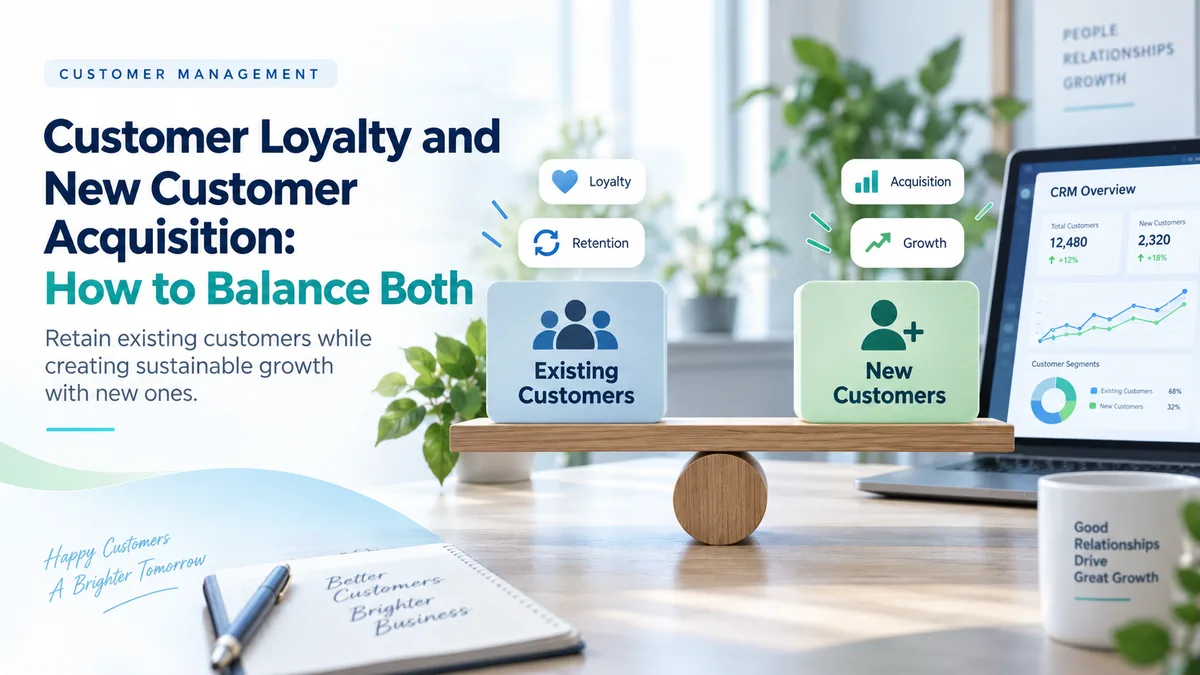
Customer Loyalty and New Customer Acquisition: How to Balance Both
Learn how businesses can balance new customer acquisition with retention and how CRM can support both sides of the customer lifecycle.
Read More
Why the Human Touch Matters in Digital Customer Experience
Discover why human interaction, trust and personalized communication remain important in customer experience in the age of digitalization and AI.
Read More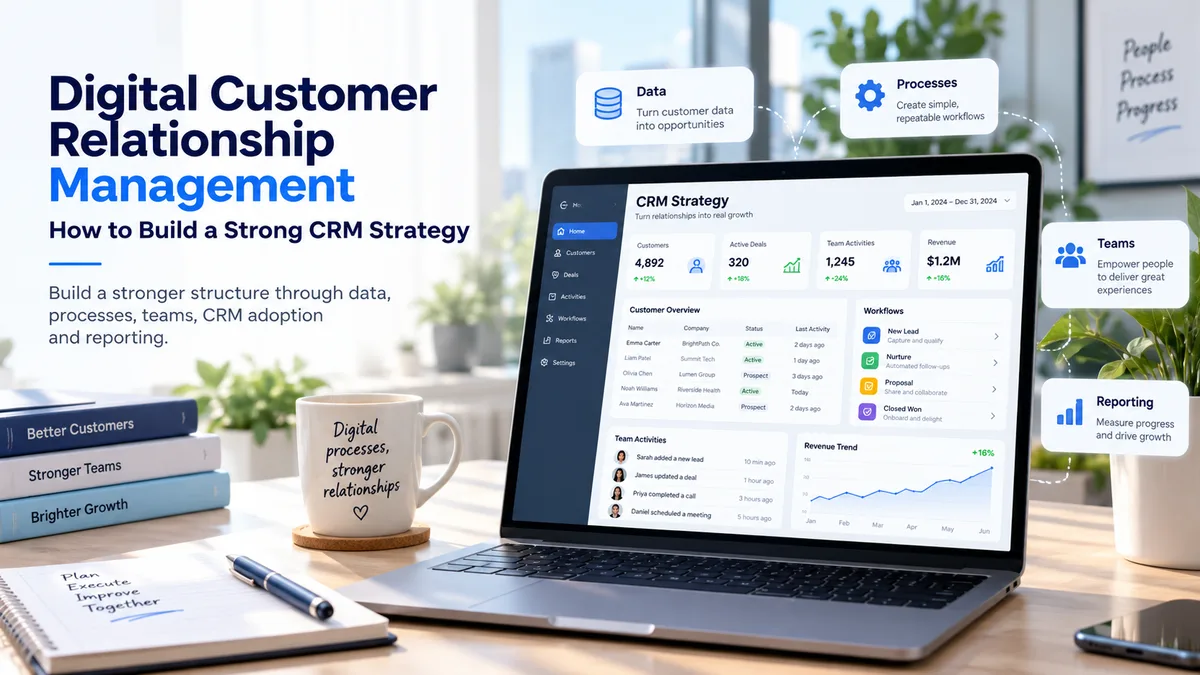
Digital Customer Relationship Management: How to Build a Strong CRM Strategy
Explore the key elements of digital customer relationship management, including data, processes, teams, CRM adoption and reporting.
Read More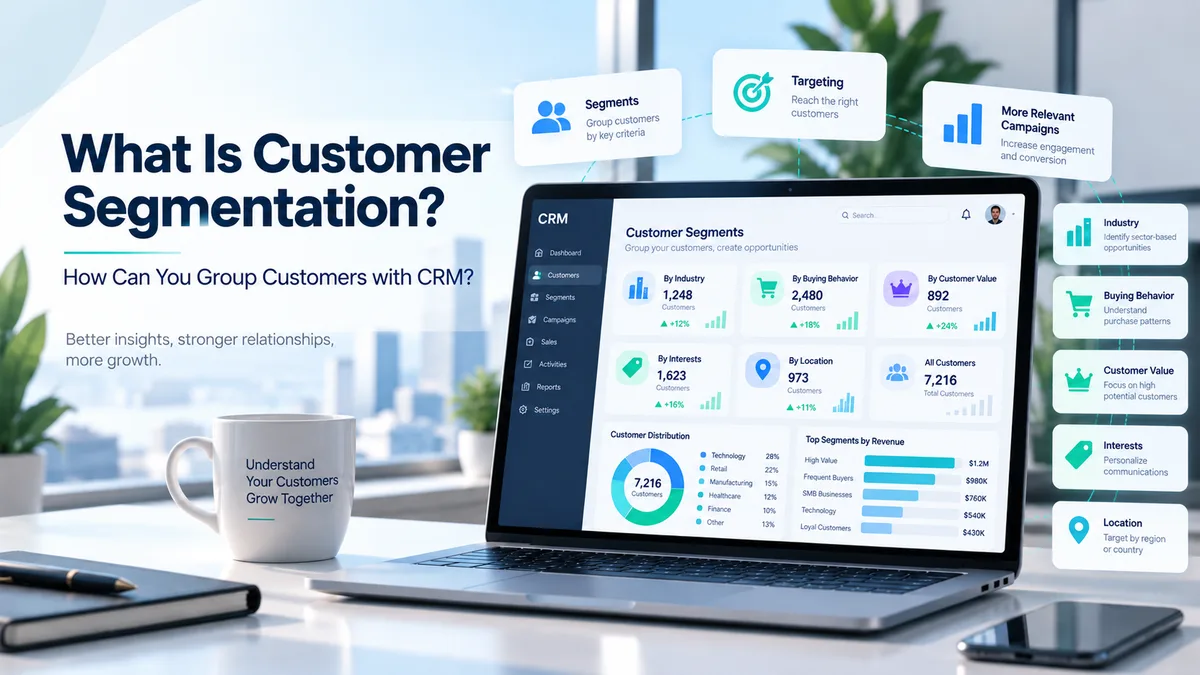
What Is Customer Segmentation? How Can You Group Customers with CRM?
Learn what customer segmentation means, which criteria can be used to group customers and how CRM data can support a more structured segmentation process.
Read More